


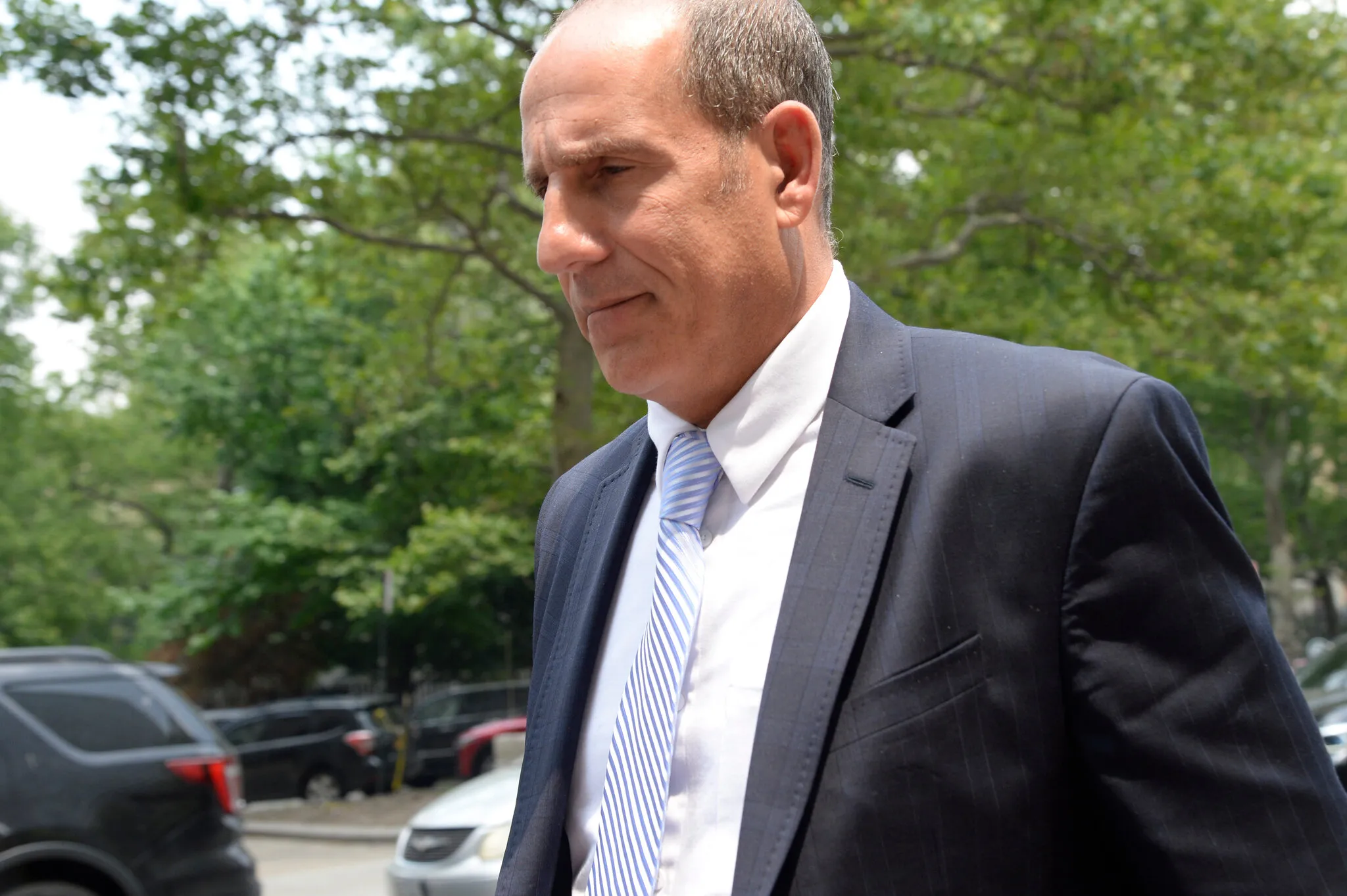
In 2023, a New York lawyer named Steven Schwartz needed case law for a client who said an Avianca serving cart had banged his knee. His firm didn't pay for Westlaw or LexisNexis, so he asked ChatGPT.
ChatGPT delivered: Varghese v. China Southern Airlines, Shaboon v. EgyptAir, and a handful more. Schwartz even double-checked. "Is Varghese a real case?" he asked. "Yes, it is a real case," the chatbot replied. (Well, that settles it.)
Varghese didn't exist, and neither did at least five others. Judge P. Kevin Castel called them "bogus judicial decisions with bogus quotes and bogus internal citations" and said the legal analysis in Varghese "is gibberish." He fined the lawyers and their firm $5,000 and made them write to every real judge named as the author of a fake opinion.
Inventing those cases cost nothing, and cleaning up after them took a federal court months. Zoning hearings now run on the same lopsided math, because AI has made objecting to a development project nearly free. Engie's Compass battery project in San Juan Capistrano drew more than a thousand negative comments on its state energy docket. Some cite ordinance sections that were amended, misquoted, or never existed (Varghese has cousins). Somebody on the developer's side still has to read every one before the hearing.
Today's idea is Docket Defense, a fixed-fee B2B service for land-use law firms and planning consultancies facing a contested hearing. You take 1,500 public comments and hand back:
- An issue matrix linking every distinct allegation to every letter that raises it
- Each cited ordinance checked against sources the client approves, with problems flagged and nothing stamped "verified"
- A register routing every issue to the right attorney, planner, or engineer
- A hearing brief
You cluster letters, never people. When 300 more comments arrive overnight, you send a change report instead of starting over.
A standard matter runs $3,000. Thirty associate hours on the same file comes to $7,500 to $12,000 of time, which is why flat-fee consultancies and developers' in-house teams are the easiest first buyers. Fifteen repeat firms at eight matters a year and a $4,000 average comes to about $40,000 a month.
Read the full playbook here:
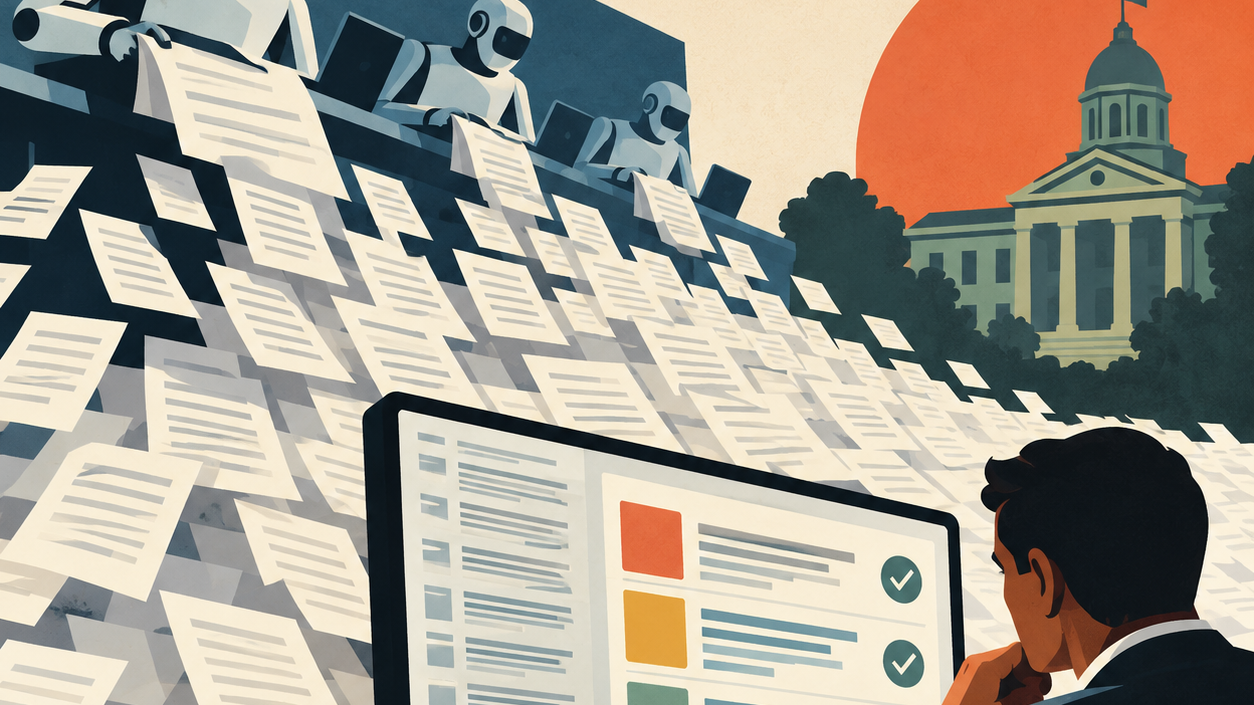
AI tools made zoning objections nearly free to write. Answering 1,500 public comments before a development hearing still eats developers' and land-use lawyers' billable hours in the weeks before the vote.
From the Vault:

Dental practices are handing their phones to AI receptionists, and vendor contracts put call-recording consent on the clinic. Nobody is paid to check that the disclosure still plays.

Hamlet and Shovels are turning municipal meeting records into data subscriptions. Land-use attorneys preparing for a zoning hearing still need something those feeds don't sell: precedent they can cite.


