


In 1986 Bakersfield carrot farmer Mike Yurosek was tossing up to 400 tons of carrots a day, roughly 70% of a harvest, because they came out bent, broken, or too ugly for the shelf.
So he bought a green bean cutter off a company going under, chopped the rejects into two-inch pieces, ran them through an industrial potato peeler, and sent a sample to a Los Angeles supermarket.
The buyer's answer came back the next day: "We only want those."

A store paid 10 cents a pound for whole carrots and sold them for 17. Baby carrots cost 50 cents and sold for a dollar. Same vegetable out of the same field, the rejects at that. Americans ate about six pounds of carrots a head a year through 1986, eleven by 2002.
Did the country fall in love with carrots? Come on. People paid to skip the peeler, and Yurosek figured out you could charge for that.
Houseplant people are sitting on the same spread, and the ingredient is dumber. Horticultural pumice is about $1.20 a quart by the cubic foot and up to $8.66 a quart in hobbyist bags. BuildASoil sells a 7-quart bag and a 25-quart bag of the identical rock for the same $31. Meanwhile someone's $300 variegated Monstera is on the counter, roots out, and the DIY fix runs $50 to $80 in ingredients plus a closet of half-used bags.
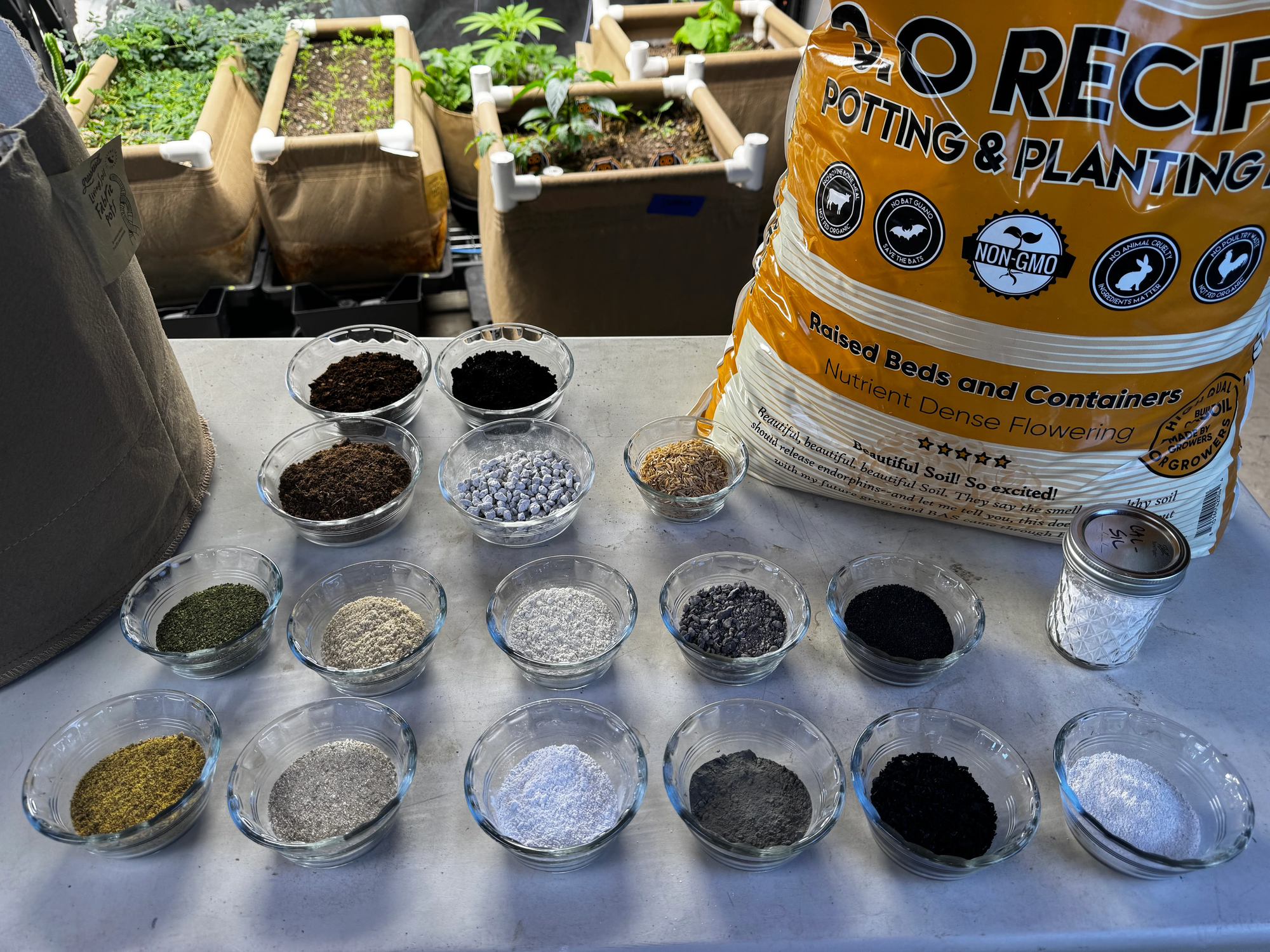
Today's idea is the carrot cut: a Monstera and Philodendron Root Rescue Kit, screened mix with every ingredient and particle size on the bag, an adjustment pouch, a pot-size chart, a five-step repotting card, a QR diagnostic. The rock is about $5; the card is why they pick yours. $36 a kit, $12 to $19 contribution before ad spend; wholesale the $34 version at $17 and you're behind the counter of the shop that sold the Monstera. 445 orders a month is $20K revenue and about $5K to you. One label rule to tattoo on your arm: print "prevents root rot" and the EPA considers your bag of rocks a pesticide.
Read the full playbook here:

Horticultural pumice costs $1.20 a quart by the cubic foot and $8.66 in hobbyist bags. Branded aroid mix holds at $5. The spread belongs to whoever owns the repotting decision.
From the Vault:

A free MIT-licensed cloud game passed 6,000 GitHub stars while AWS Skill Builder and the relaunched Cloud Quest charge for courses. The gap between watching architecture and practicing it is still unpriced.

Homebuyers can pull a flood map in ten seconds. Nothing tells them about the data center campus being rezoned three miles out. Northern Virginia agents will pay for that answer.


