


Microdramas — scripted, serialized, one-to-two-minute vertical videos — went from a Chinese novelty to a global entertainment category in under three years. Global microdrama revenues hit $11 billion in 2025 and are projected to reach $14 billion in 2026, according to Omdia. In-app revenue across short drama apps nearly quadrupled year over year, climbing from $178 million in Q1 2024 to roughly $700 million in Q1 2025. ReelShort, the category leader, pulled in $130 million that quarter alone. Downloads surged past 2.3 billion globally in 2025, more than doubling from the prior year, while traditional streaming app downloads declined 4%.
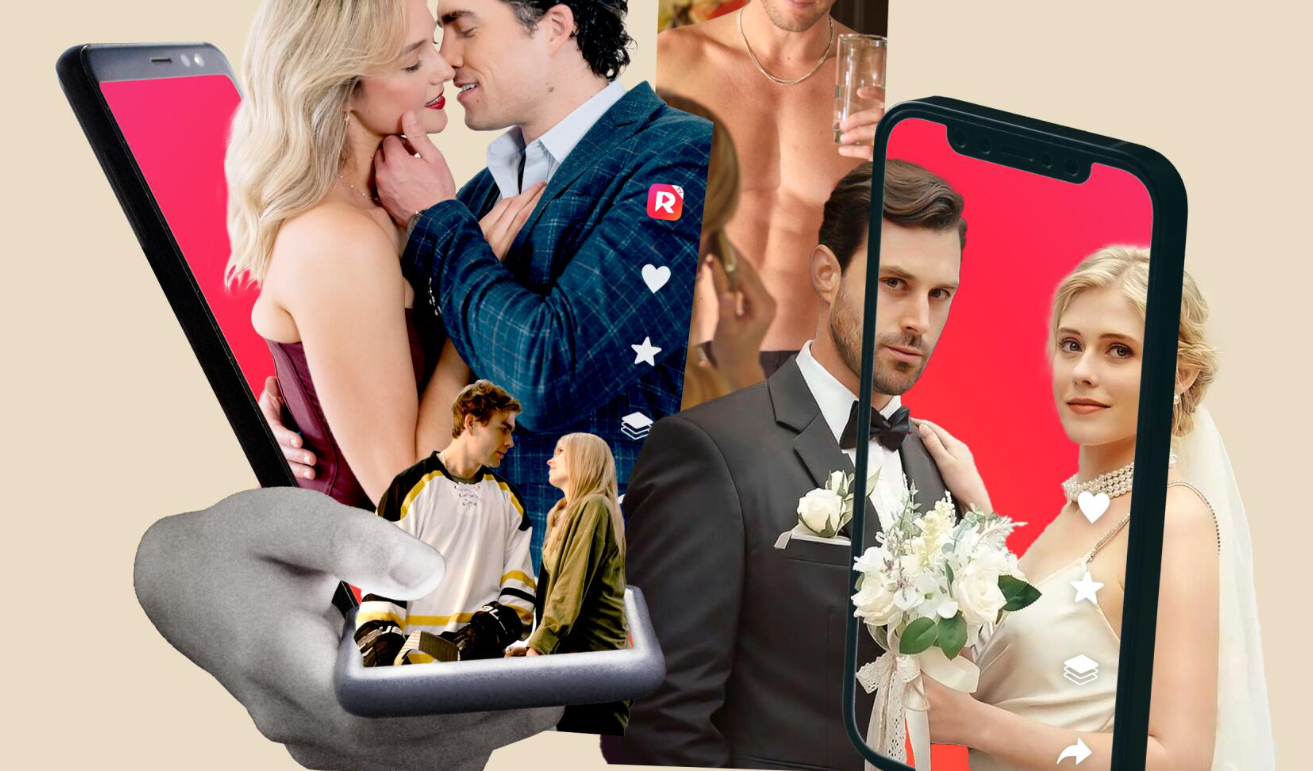
ReelShort users now spend 35.7 minutes per day on the app — compared with 26.9 for Prime Video, 24.8 for Netflix, and 23 for Disney+. This is habitual viewing, not casual browsing. Short dramas are cannibalizing the time share held by traditional streaming and social media while expanding the total viewing pie.
The startup opportunity here isn't building the next ReelShort. That race is over. The opportunity lives in the second-order effect: brands watching all of this and deciding they want in. Mid-market brands — the ones spending $50K to $500K annually on paid social — are desperate to operationalize serialized storytelling and have nobody to call.
Layer software on top in year two and the math gets to $120K MRR.
If you're hunting for a content marketing startup idea, a B2B SaaS play for agencies, or a creative services business that compounds into defensible software, this is one of the more interesting wedges available right now.
Brands Are Quietly Trying to Become Shows
In January 2026, Gap Inc. created a Chief Entertainment Officer role and hired former Paramount executive Pam Kaufman to fill it, building a "Fashiontainment" platform spanning music, television, film, sports, gaming, and cultural collaborations. They opened a new office on Sunset Boulevard. Gap CEO Richard Dickson was direct about the logic: customers aren't just buying apparel anymore; they're buying into brands that tell compelling stories. In fact, Gap has always had that in their DNA. Remember their commercial from the nineties?
Gap isn't alone. Dick's Sporting Goods launched an in-house entertainment studio. Under Armour established Lab96, a content studio explicitly built to produce material that looks like entertainment rather than advertising, aimed squarely at Gen Z and Gen Alpha attention. Brands as varied as UPS, Sephora, and Bud Light have been building audiences through episodic social content. The lines between branded entertainment and actual entertainment are collapsing.
The most instructive case study, though, is smaller and scrappier.
Bilt, the fintech startup that lets renters earn rewards on rent payments, quietly launched Roomies in June 2025 — a mockumentary social series following a 25-year-old from Ohio navigating life in New York. The show lives on dedicated TikTok and Instagram accounts. No Bilt branding. No product mentions. No calls to action. Just two-minute episodes built like a sitcom for the algorithm. It generated over 8 million views and more than 115,000 followers through purely organic growth. Viewers leave comments like "My show is onnn" and "love how my algorithm just brings me back every week." Many don't even realize it's branded content — and Bilt's marketing leaders describe that as the entire point.
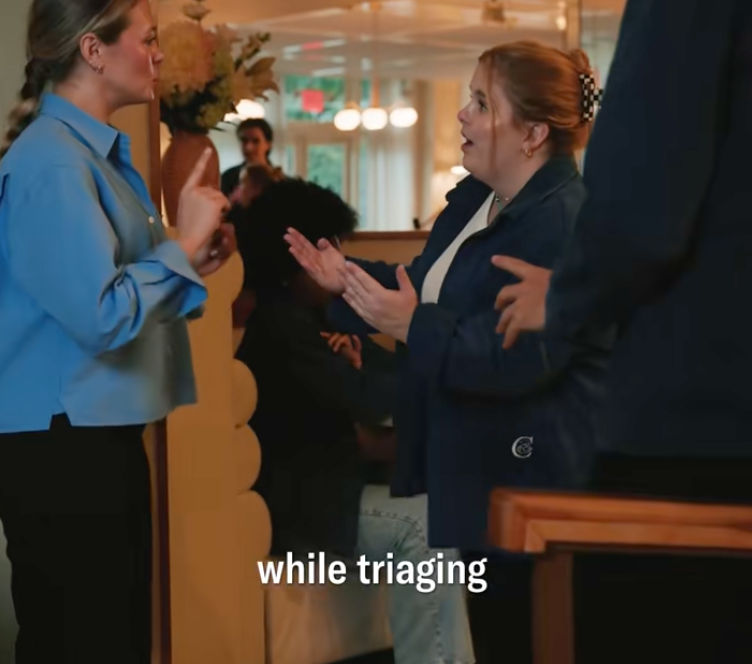
This validates something critical for anyone exploring media startup ideas or branded content business models. Serialized, character-driven micro-shows can be habit-forming on social rails. They can be structurally aligned to a brand's domain — roommates, rent, urban adulthood — without feeling like ads. And sophisticated marketers are already thinking in "show" terms, not "campaign" terms.
Here's the real signal. Brands aren't buying attention anymore. They're trying to become recurring programming. And the overwhelming majority of mid-market brands have no idea how to do it.
Why This Is Happening Now
Short-form video is the default distribution layer. Ninety-one percent of businesses already use video as a marketing tool, per Wyzowl's 2026 survey, and YouTube Shorts averages 200 billion daily views. Whether brands should make video is a settled question. What kind of video is still worth watching is not.
Meanwhile, audiences are exhausted by obvious advertising. The brands winning attention right now — Bilt's Roomies, Brooklyn Coffee Shop, Oatly's Café con el Abuelo — share the same structural insight: recurring cast, recurring setting, recurring worldview, and enough emotional or comedic continuity to make viewers come back for the next episode. They're tiny serialized worlds.
And AI has lowered production friction without solving story design. Tools can generate scripts, avatars, edits, voiceovers, and scene variations much faster than a year ago. That commoditizes rendering. It doesn't answer the hard question every brand faces: what show should we actually make that fits our product, audience, and tone?
The Wrong Business: "No-Code AI Microdrama Studio"
If you're looking at AI startup ideas in the video space, the obvious move is something like "upload your brand voice and three products, get unlimited 60-second AI episodes for $49/month." It sounds sharp. It's a churn machine.
Unlock the Vault.
Join founders who spot opportunities ahead of the crowd. Actionable insights. Zero fluff.
“Intelligent, bold, minus the pretense.”
“Like discovering the cheat codes of the startup world.”
“SH is off-Broadway for founders — weird, sharp, and ahead of the curve.”


