


In January 2014, Tencent engineers tucked a bank-linking prompt inside a digital red envelope on WeChat. They weren't launching a payments product. They were piggybacking on Lunar New Year: grandmothers in Beijing sending cash gifts to grandchildren in Shanghai, couples exchanging lucky money at midnight. Eight million people connected their bank accounts in a single week, and nobody thought of it as onboarding. It was just the holiday.
A year later, a Brazilian developer named Alfred Baudisch installed a WhatsApp bot inside a neighborhood pizzeria. Customers browsed the menu, customized toppings, picked a payment method, and placed their order without leaving the chat. Thirty-one orders rolled in on the first day from a single unpromoted Facebook post. Then WhatsApp banned the phone number. Baudisch bought a new SIM. Banned again. The demand validated overnight, and the platform killed it just as fast.
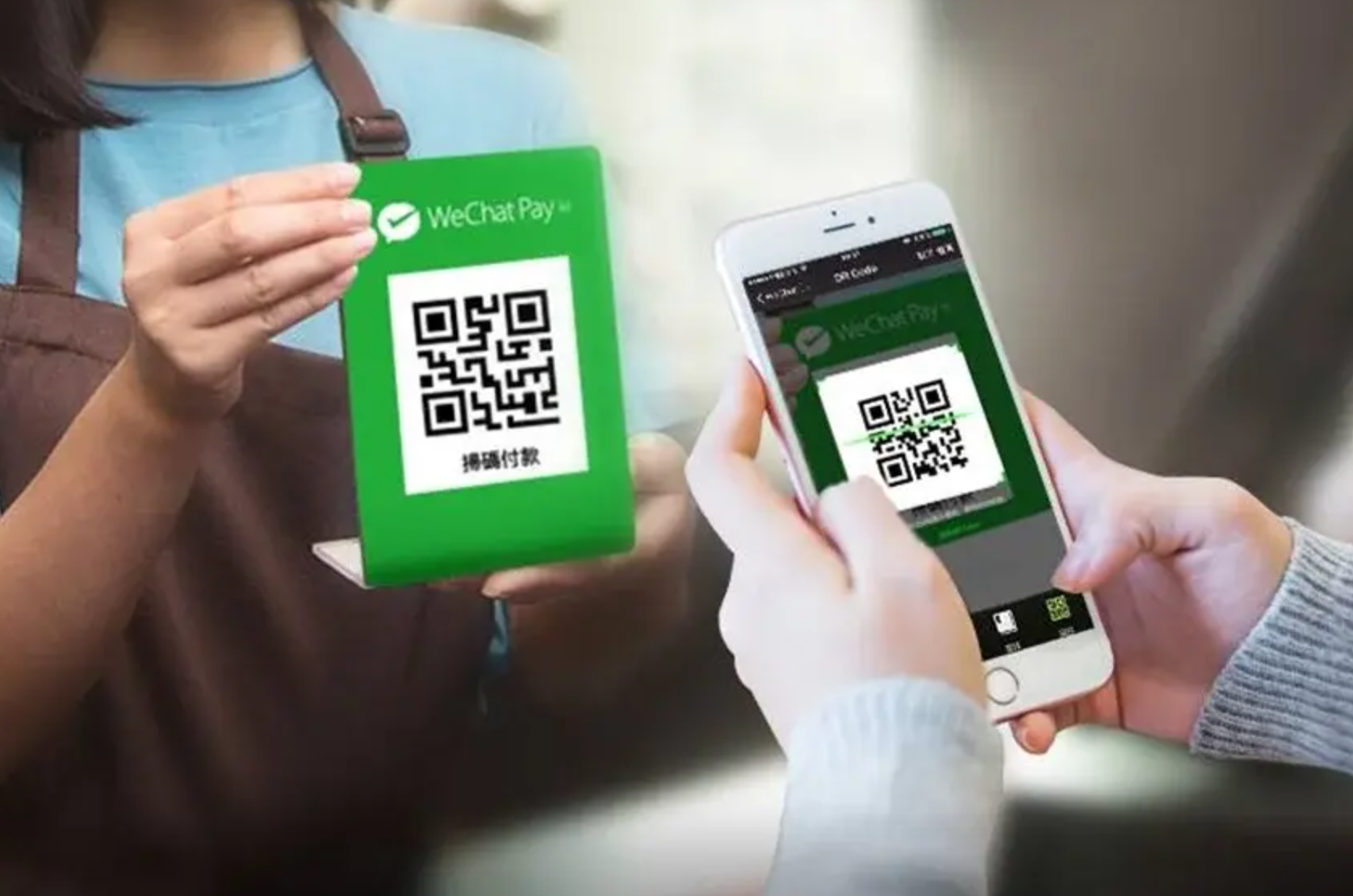
By 2017, WeChat had given the pattern a name: mini programs. Any merchant in China could print a QR code, tape it next to the register, and have ordering, loyalty tracking, delivery, and payments running inside the same app their customers were already using to text friends. Five million businesses eventually built their entire digital presence there. In Bangkok, a Japanese BBQ restaurant called Gon Gang moved its menu, ordering, and checkout into LINE chat in 2025. Sales climbed 57 percent in the first quarter. Thailand's chat commerce market is now projected to hit 1.14 trillion baht by 2028.
Four messaging apps across four countries, and the same lesson kept surfacing over a decade: the fastest checkout counter is the conversation your customer is already having. China scaled it. Brazil's infrastructure choked. Southeast Asia is catching up. The average Western small merchant is still routing buyers through a link in their Instagram bio, losing them somewhere between the tap and the landing page.
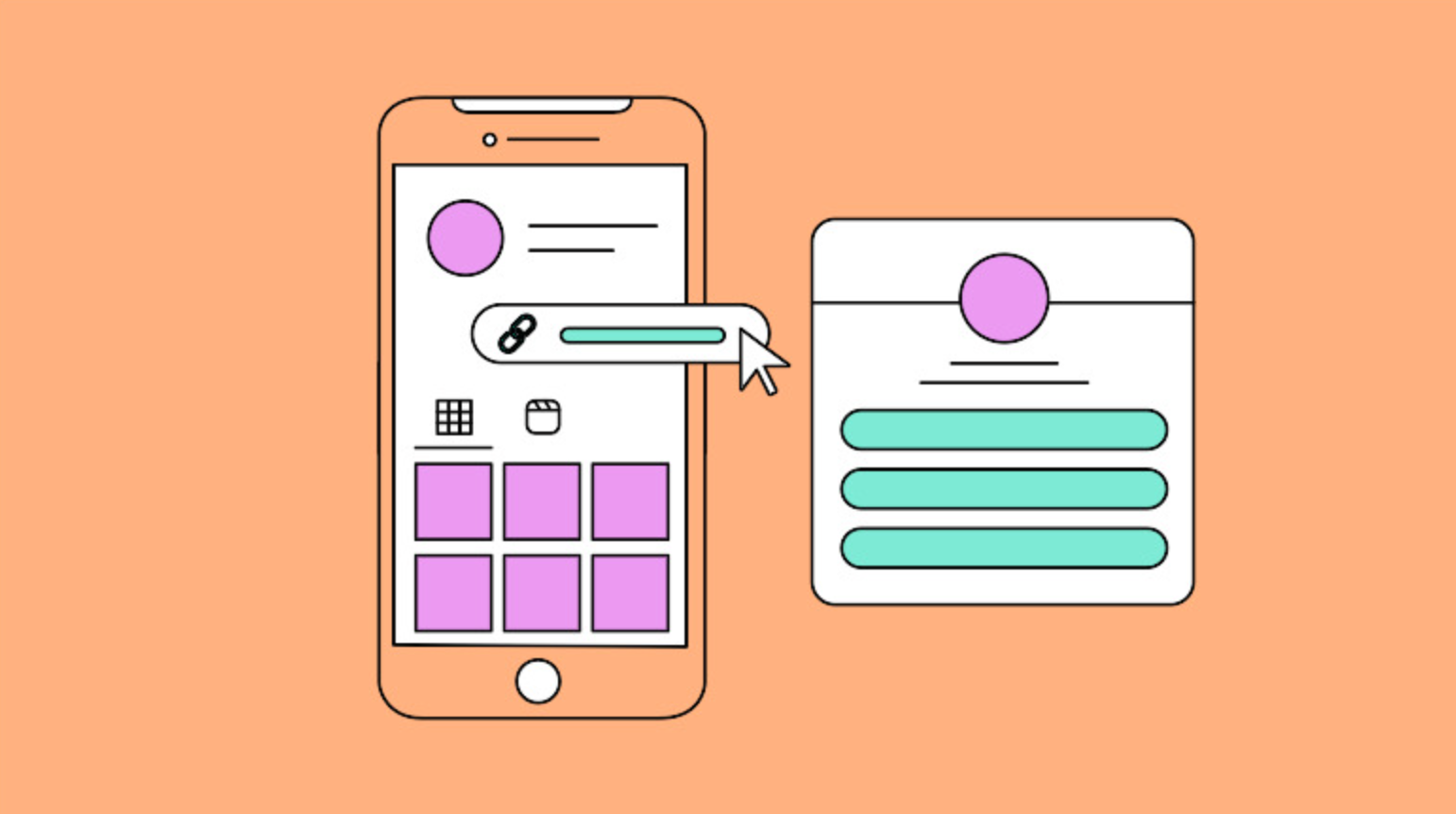
Instagram has 150 million users active in DMs every month. Most of those conversations already involve products: sizing questions, stock checks, "is this still available?" A productized DM automation service turns that dead-end chat into a checkout flow, handling inquiries, qualifying buyers, and closing sales at 72 percent margins without the merchant lifting a finger. The playbook is a compact agency model pulling around $5,000 in monthly recurring revenue per operator.
Read the full playbook here:
Instagram's 150 million monthly DM users are already buying. Small merchants keep losing them to link-in-bio friction. A productized DM automation agency fixes that — at 72% margins.
From the Vault:

Apple's pre-order mechanic lets indie studios concentrate day-one downloads — but no one has built a productized launch service around it. That gap is worth $10K MRR.

U.S. local governments publish high-intent commercial signals every day — LLC filings, failed inspections, building permits. They're public, buried, and worth $299/month to the right buyer.


