


In 1982 two guys quit Xerox PARC because their bosses wouldn't sell the good part.
John Warnock and Chuck Geschke had built a language called Interpress that let Xerox printers talk to computers. Xerox made it the internal standard and then refused to license it to anybody else, which Warnock and Geschke read as one of the dumbest decisions available to a company that size. So they left, rebuilt the thing from scratch, and called it PostScript.
Then Steve showed up. Apple bought roughly a fifth of Adobe and put PostScript inside the LaserWriter, announced January 1985 at $6,995.
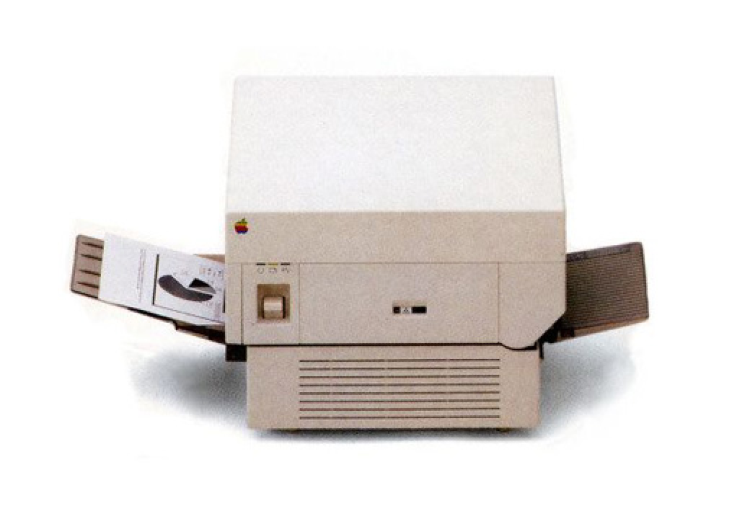
The printer got the applause. That's the part everyone remembers — the LaserWriter, the Mac, PageMaker, desktop publishing showing up in one afternoon.
Adobe's cut was five percent of list. About $350 a printer. That royalty was nearly all the money Adobe made for years. By 1987, licensing PostScript and the fonts ran $400 to $900 a machine, which is software quietly catching up to the price of the hardware it was riding inside.
Xerox had all of it first. Xerox filed it.
Forty years later the same split is playing out in crafts. Rug crafts, specifically. Stay with me.
Cricut closed 2025 with 3.09 million paid subscribers and platform revenue up 5% to $327.4 million, while its product revenue fell. Cricut sells you the machine once and charges you for the design step forever, and the design step is now the half that's growing.
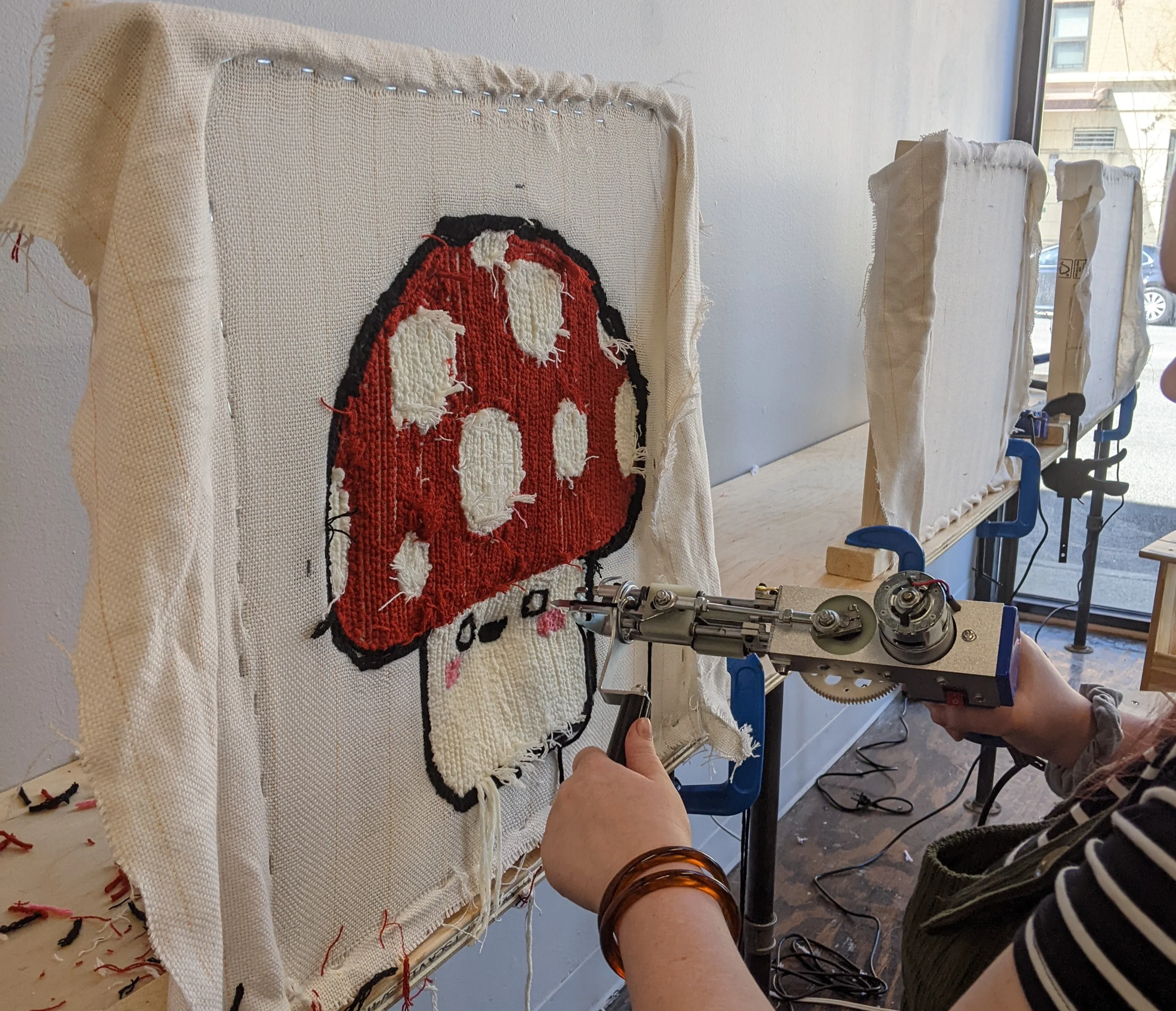
Rug tufting has the machine and nothing else. A tufter gets a photo of somebody's dog and then bounces between Canva, Photopea, some vectorizer, a paint-by-numbers app, and back-of-envelope yarn math before a single strand hits the cloth. Nobody owns the ten minutes between "I want to make this" and "I know exactly how to make it."
Today's idea owns it: upload a design, get a tuft-ready pattern with matched yarn, a mirrored projector file, and a material estimate. Six screens, four to six weeks to ship. Roughly 1,000 subscribers at $59 a year plus 100 studios puts you around $7,300 MRR, with a real path to $5K–$20K.
Read the full playbook here:
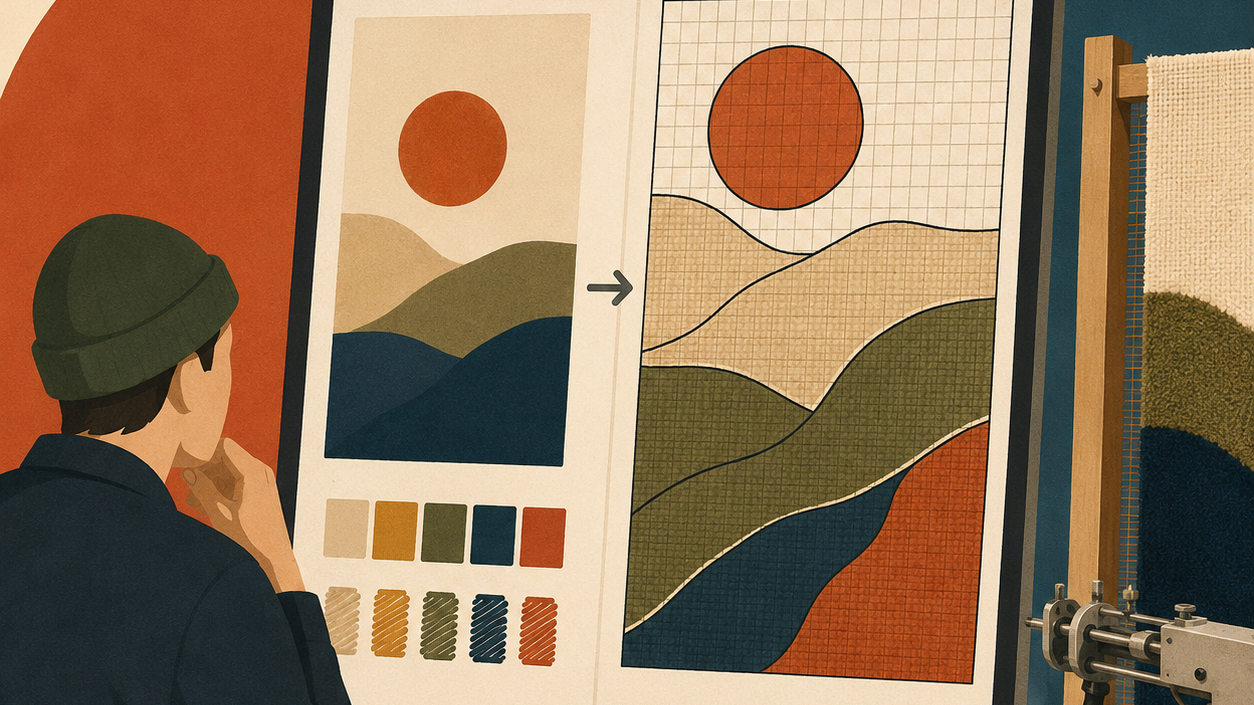
A production-planning tool that turns photos into tuft-ready rug patterns, matched yarn, and material estimates for a niche craft business worth $5K to $20K in monthly revenue.
From the Vault:
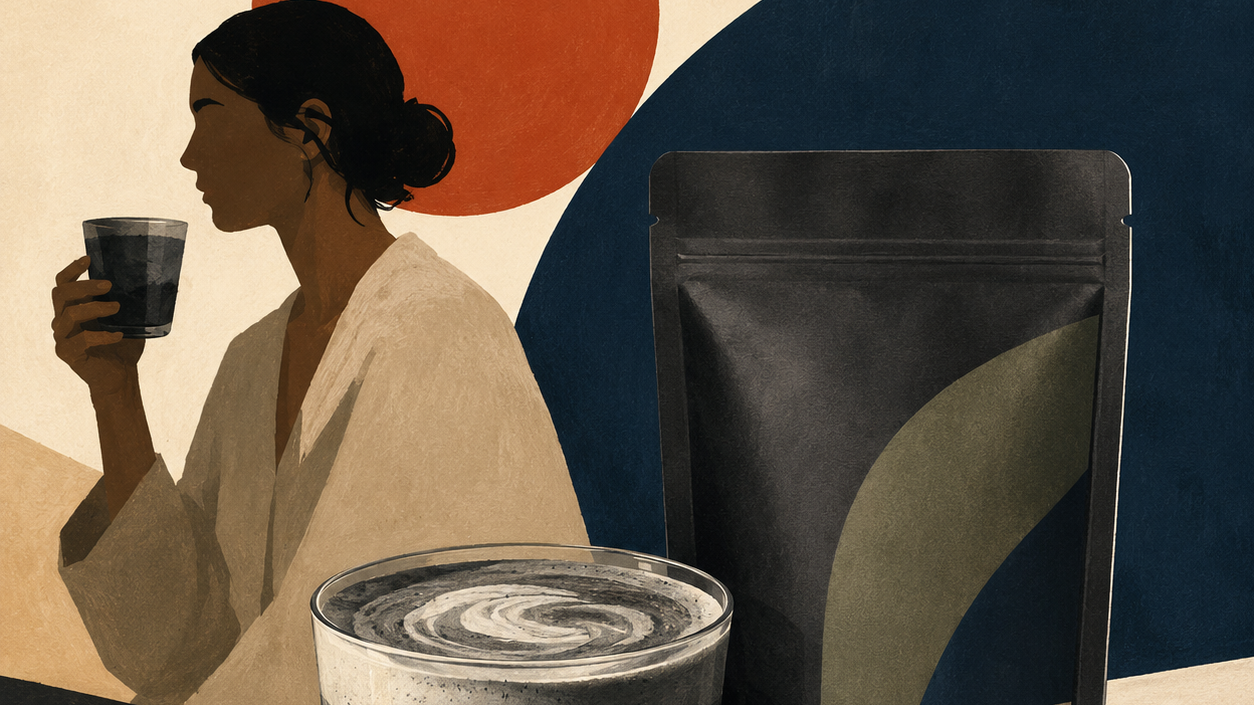
Black sesame search demand is up 147% and cafés like Nana's Green Tea are training buyers at seven dollars a cup. No brand owns the at-home ritual yet.
Sober-morning events are growing fast, and the real business isn't the party. It's the operator kit, sponsor deck, and reporting system that scales coffee raves into a network.


