


Local governments know they need to make digital content accessible. What they don't have is a way to process the sheer volume of work.
The DOJ's Title II rule turned digital accessibility into a hard operational deadline for state and local governments, and the scope is broader than "fix the website." PDFs, Word documents, board packets, agendas, forms, spreadsheets, and other public-facing uploads are all in the exposure zone. Entities serving populations of 50,000 or more face an April 24, 2026 deadline to meet WCAG 2.1 AA standards. Smaller municipalities and special districts have until April 26, 2027. Civil penalties run up to approximately $115,000 for a first violation and $230,000 for subsequent ones. ADA web accessibility lawsuits produced 8,667 federal filings in 2025, and 2026 projections run between 7,000 and 8,500.

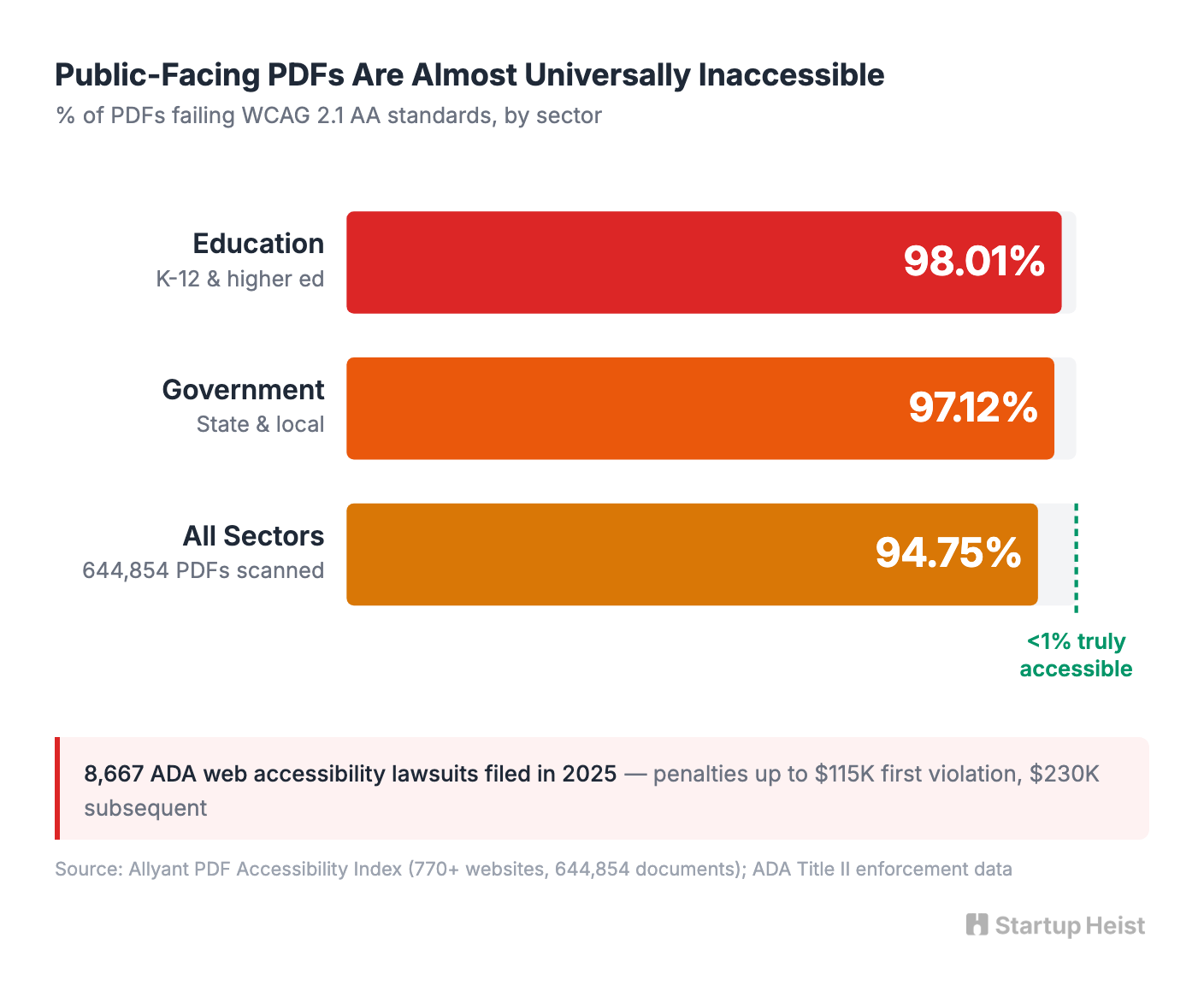
The numbers underneath are grimmer than they look. Allyant's PDF Accessibility Index scanned 644,854 documents across 770+ websites and found that 94.75% of public-facing PDFs are inaccessible. Government scored worst at 97.12%. Education was even worse at 98.01%. Less than 1% of all PDFs scanned qualified as truly accessible.
Here is a sharp opportunity sitting in that gap between regulatory mandate and operational reality.
The money: Ten municipal clients at $2K/month retainer plus setup fees and remediation margin creates strong solo-founder cash flow.
Inside:
• Crawler + scoring model for gov sites
• Dashboard that prioritizes in plain English
• Managed remediation delivery layer
• Recurring content governance after cleanup
The wedge
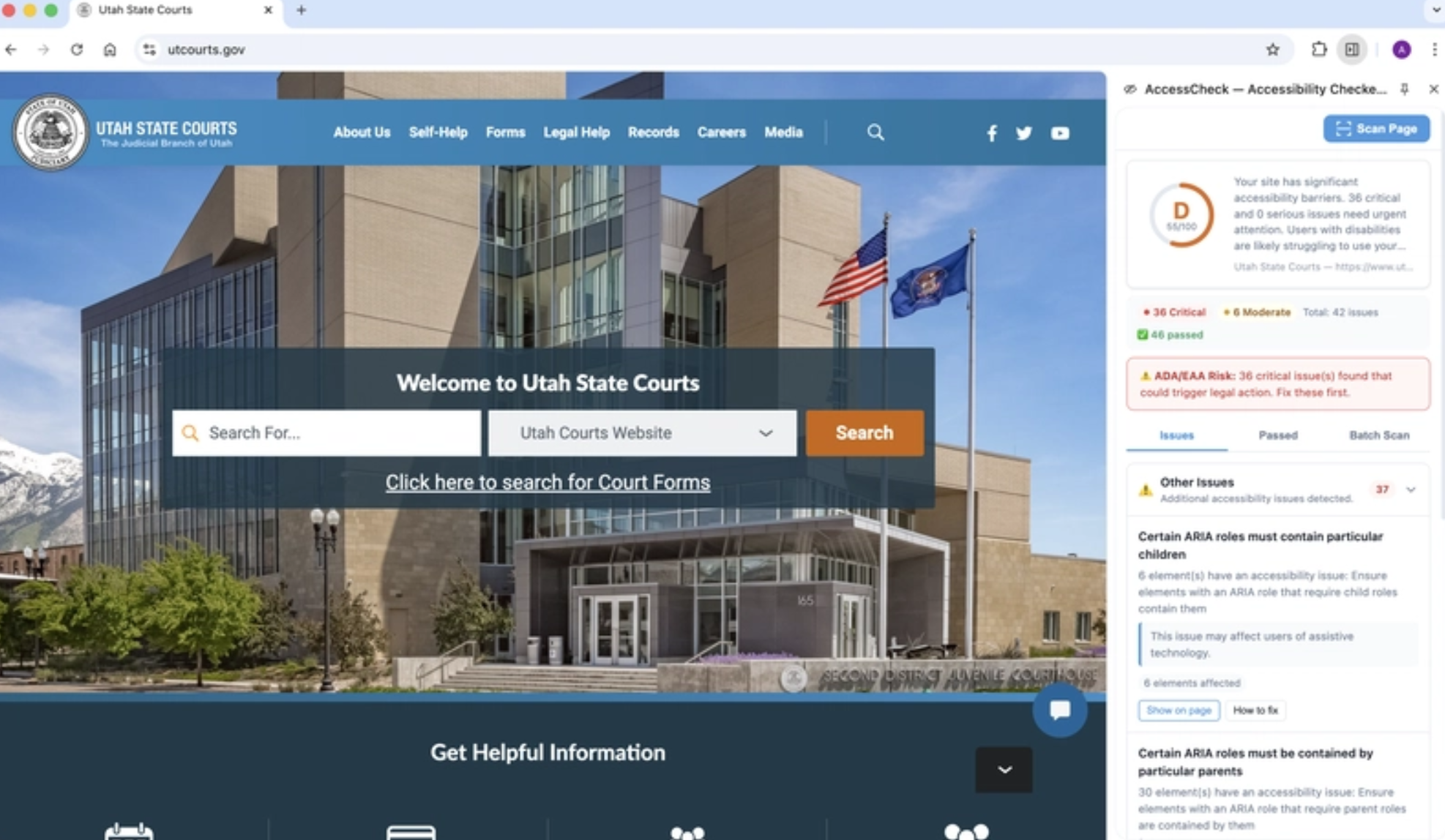
Build a lean ADA Title II digital content triage desk for municipalities, school districts, courts, and quasi-public agencies. Crawl public websites. Inventory documents and forms. Score them by likely risk and importance. Hand non-technical staff a dashboard that says, in plain English, "fix these 40 first, archive these 300, ignore these until phase two."
This is a sharp, time-boxed, service-heavy gov-tech wedge rather than a venture-scale software company out of the box. The demand is real, the buyers are clear, the downstream document remediation spend is standardized, and there is a path to recurring revenue if you turn one-time cleanup into ongoing document governance. The realistic ceiling is a strong niche micro-agency with software leverage, partner channels, and a durable maintenance layer. For a small team, that is an excellent business.
The pain underneath
A city clerk's office, school district communications team, or court administrator may have thousands of documents across website folders, CMS uploads, legacy pages, board archives, and departmental subdirectories. Most were created by different people over years. Nobody knows which ones are still mission-critical, which ones get real traffic, which ones can be replaced with HTML, and which ones are legally risky because they relate to applications, agendas, notices, benefits, or student services.
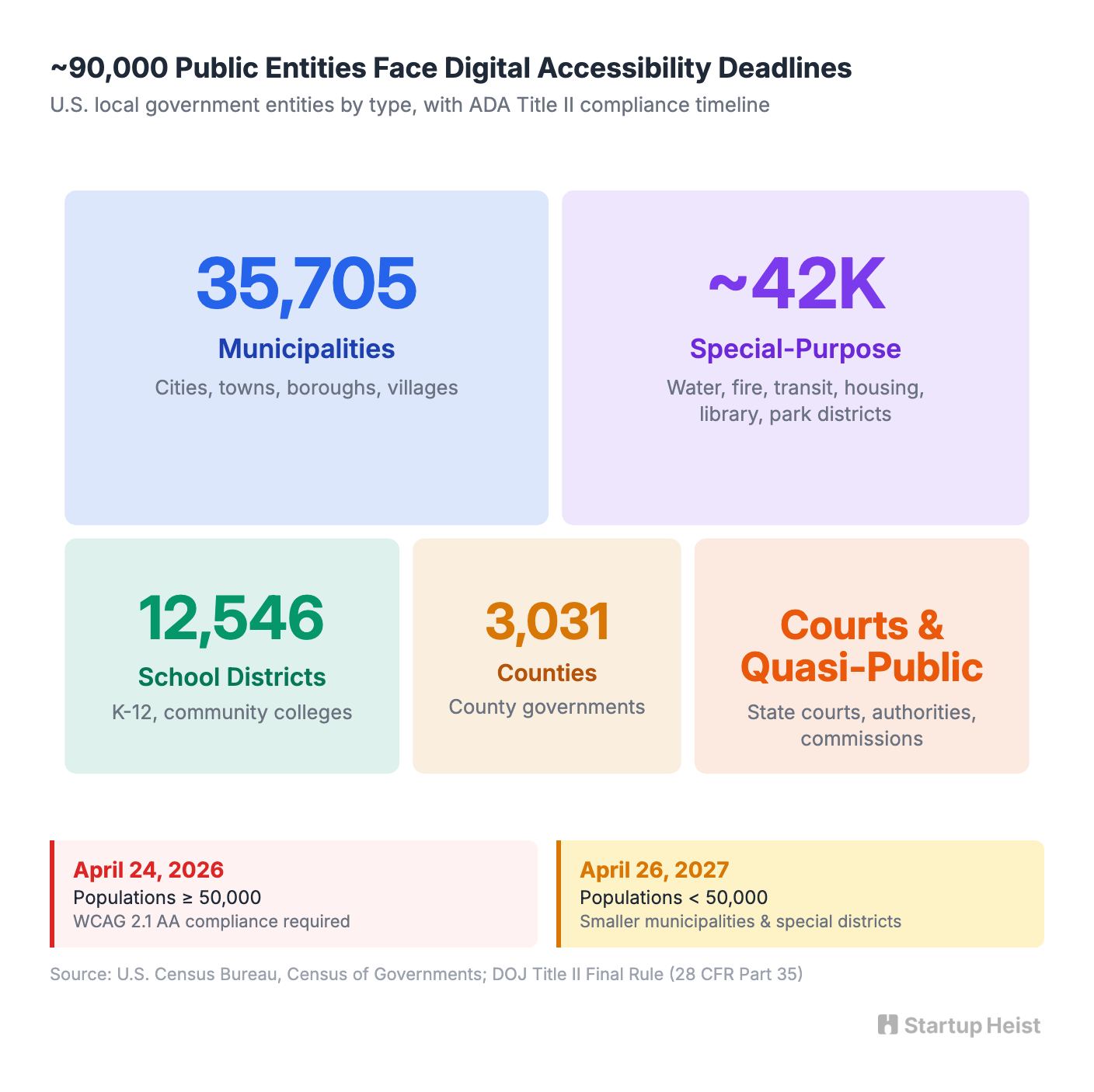
Roughly 90,000 local government entities exist in the United States: 35,705 municipalities, 12,546 school districts, and tens of thousands of special-purpose bodies. Public-sector guidance repeats the same advice: inventory first, prioritize high-impact content, then remediate or remove what matters. Most entities have no accessibility specialist, no document management system, and no clear picture of what is sitting on their website.
The sale is decision support under deadline pressure, not perfect accessibility.
Where the play is
Position one layer above remediation and one layer below strategy.
Existing vendors monetize different jobs. Document remediation firms like Allyant and Continual Engine charge per-page volume: $4 to $8 per page is standard, higher for OCR-heavy or form-heavy files. Accessibility consultancies like Vispero's TPGi subsidiary sell audits and advisory services. CMS vendors like CivicPlus and Granicus bundle accessibility into broader platform deals. CivicPlus acquired DocAccess specifically for PDF accessibility and also partners with Allyant, tightening the competitive landscape on the remediation side. Software vendors sell tools that require trained operators.
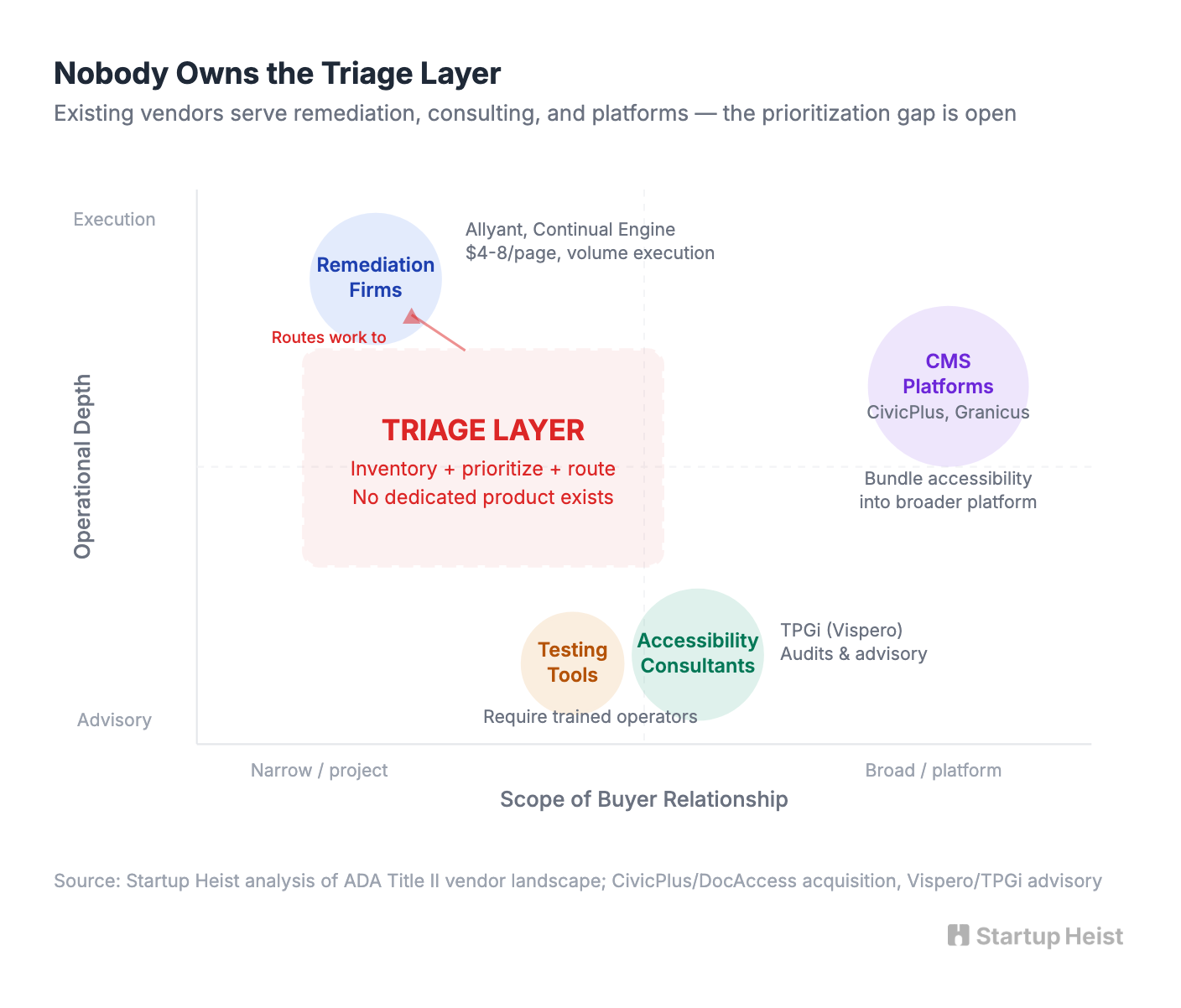
Nobody is productizing the triage layer itself: take a sprawling, disorganized content mess and turn it into a ranked work queue with ownership assignments, archive/delete recommendations, and a realistic 90-day plan. No dedicated triage-layer product exists in this market.
Frame the product as digital content risk inventory and triage. That broader positioning matters because the ADA Title II regulation covers more than PDFs, and scoping too narrowly undercuts credibility. It also lets you capture forms, Word documents, spreadsheets, and department uploads with the same operational pain. And it gives you a path after the deadline: ongoing content governance for new uploads, not just backlog cleanup.
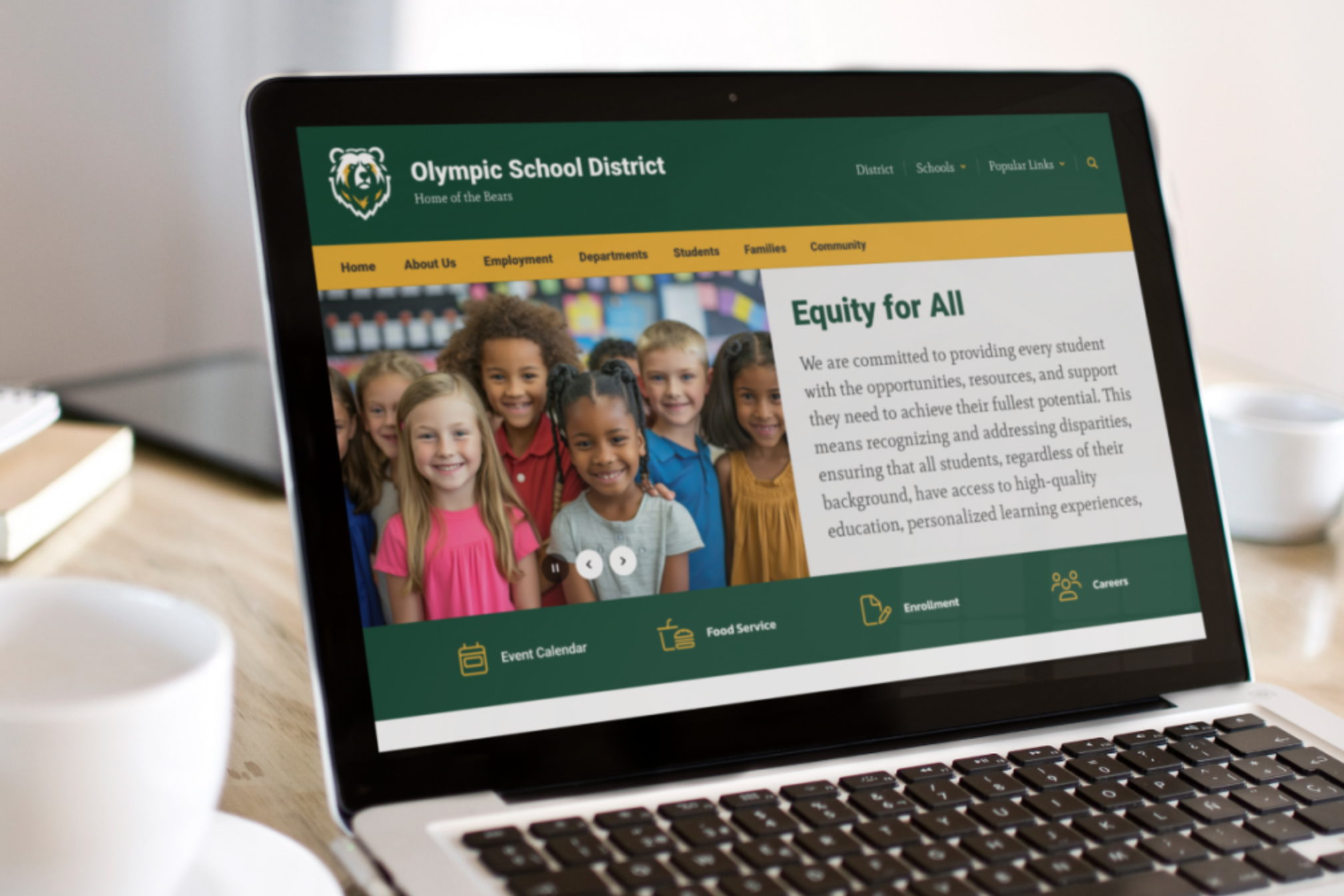
The strongest initial segment is mid-sized cities, school districts, and county-level entities: big enough to feel the deadline, small enough to lack a sophisticated internal accessibility program. The largest cities often already have consultants, procurement complexity, and internal committees. The smallest municipalities move slowly and may wait until closer to April 2027. The sweet spot is the buyer who is accountable but under-resourced: the communications director, district webmaster, municipal clerk, ADA coordinator, or records manager. These buyers don't want a grand transformation. They want an answer to a tactical question with legal consequences: "What do we have, what's highest risk, and how do we get through this without drowning?"
Why this can win
Unlock the Vault.
Join founders who spot opportunities ahead of the crowd. Actionable insights. Zero fluff.
“Intelligent, bold, minus the pretense.”
“Like discovering the cheat codes of the startup world.”
“SH is off-Broadway for founders — weird, sharp, and ahead of the curve.”


