


The Pickleball Pre-Hab Business Hiding Inside America's Fastest-Growing Injury Pattern
Pickleball is the rare American fitness trend that crossed age, income, and geography at the same time. Social enough for retirees, competitive enough for former tennis players, cheap enough for public parks, light enough to make people think it's safe.
That last part is where the business hides.
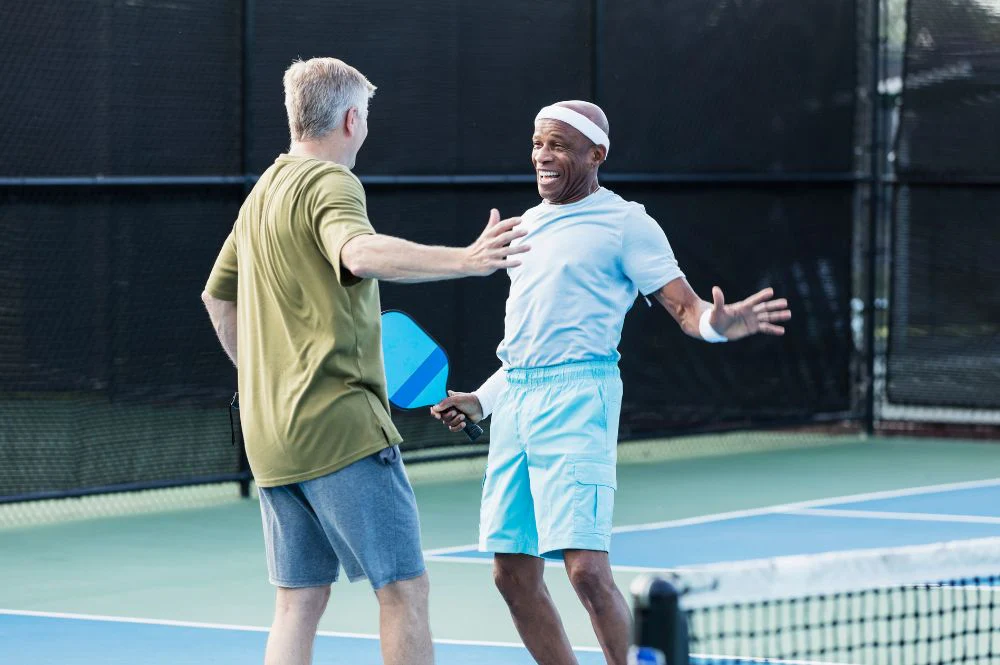
The opportunity isn't pickleball coaching. The internet has that. It isn't another senior fitness app either, since SilverSneakers and YouTube cover that ground. The wedge is narrower and more painful: an 8 to 12 week digital pre-hab program for pickleball players over 55, built around Achilles, ankle, calf, hip, balance, and fall-prevention protocols, and sold before the injury bill arrives.
Here's the shape of the opportunity.
The money: 500 buyers a year at $199 annual gets you near $100K ARR solo. Club and clinic licenses ($499 to $5K a year) layer on top.
Inside:
• 8-week Court Ready curriculum, 3 tracks
• Four-tier offer stack with PT upsell
• Five-channel GTM with outreach template
• MVP under $5K in six to eight weeks
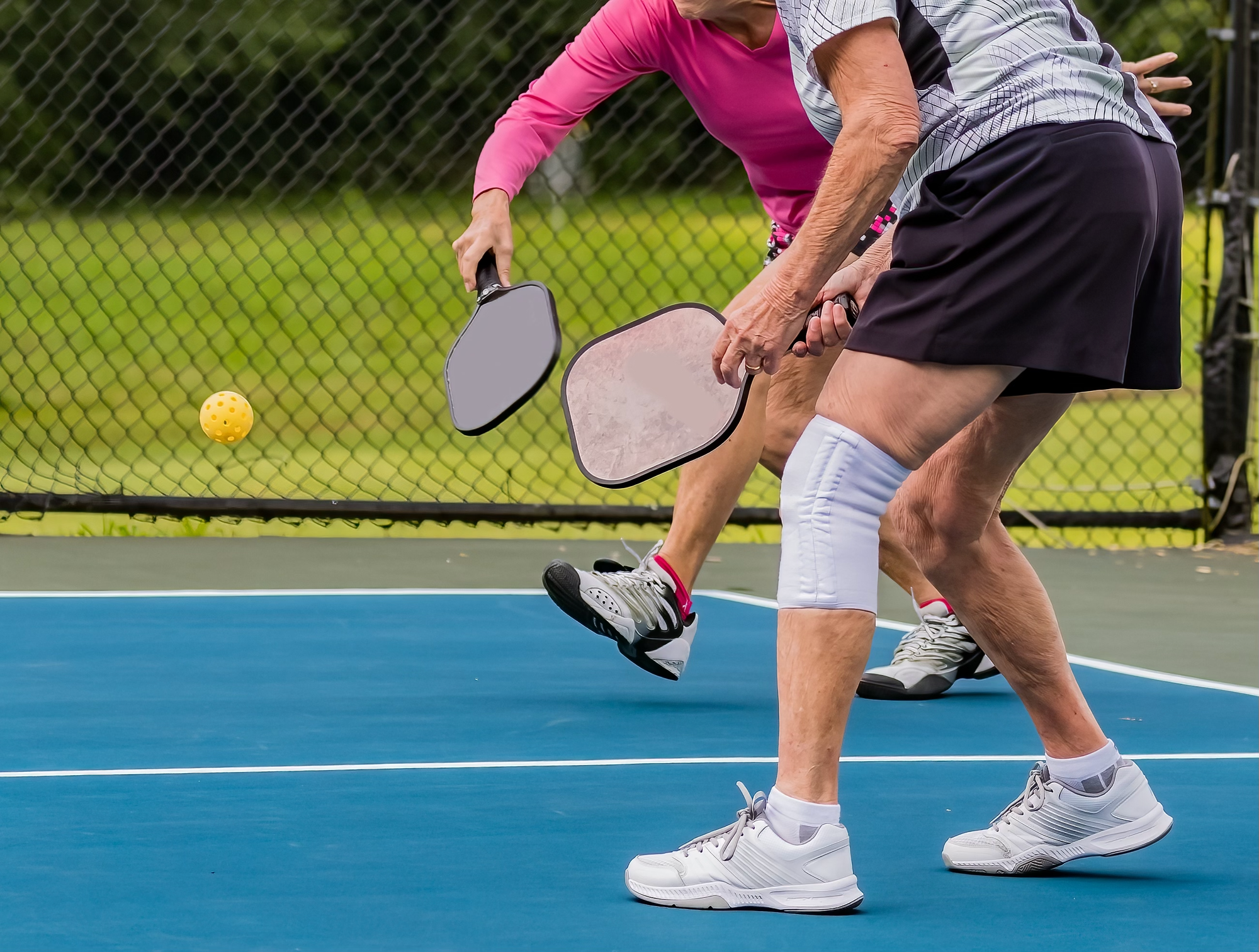
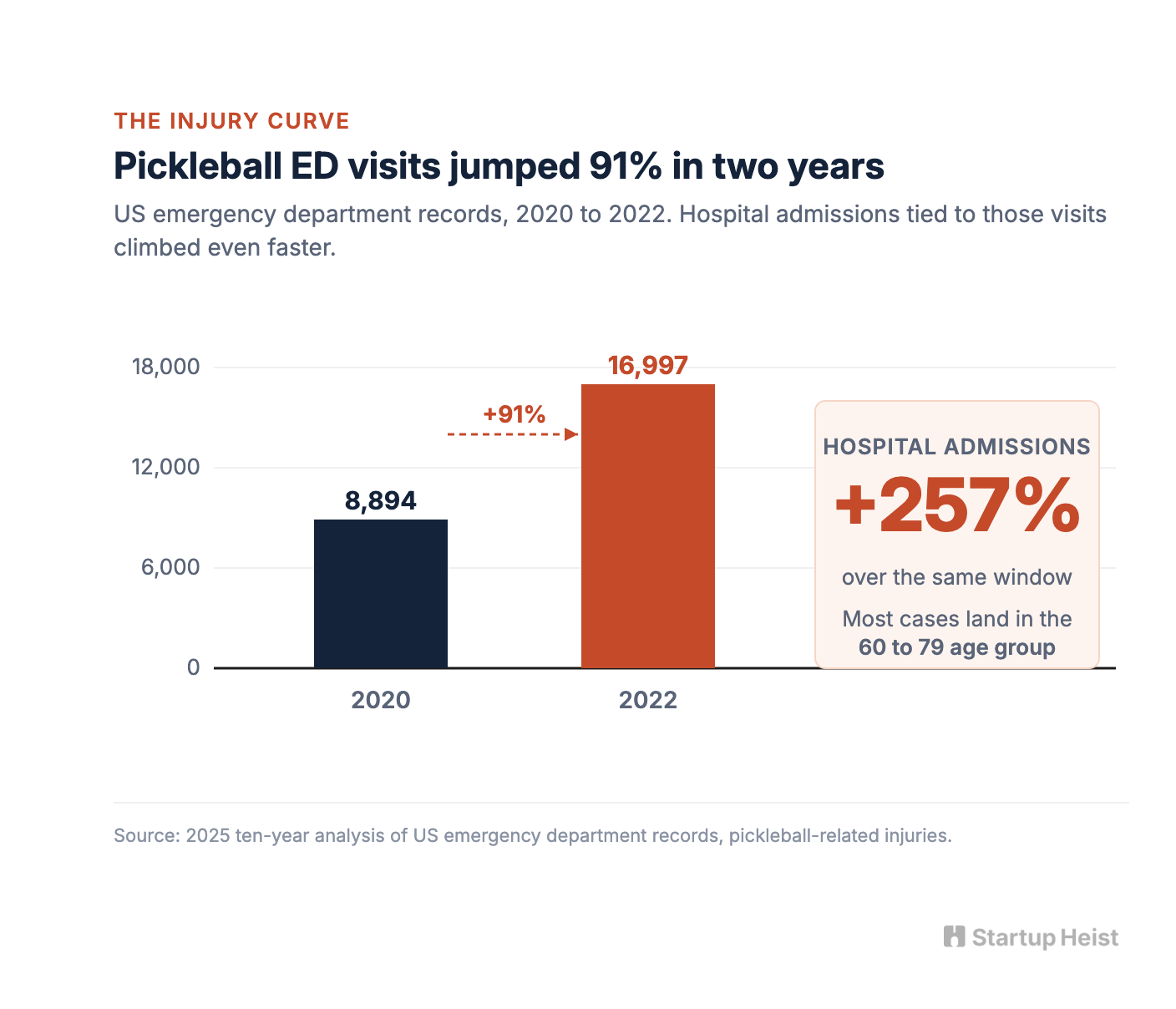
A 63-year-old who hasn't trained eccentric calf strength in a decade can still walk onto a court, play three games, chase one short ball, and turn a hobby into surgery. The Sports & Fitness Industry Association reports that 24.3 million Americans played pickleball in 2025, up 22.8% over 2024 and 171.8% over three years. That makes it the country's fastest-growing sport for the fourth straight year. The orthopedic literature is catching up. A 2025 ten-year analysis of US emergency department records found pickleball injuries jumped 91% between 2020 and 2022 alone, with hospital admissions up 257%. Most injuries land in the 60-to-79 age group. Falls are the most common mechanism, and fractures are the single most common injury type at 29% of cases.
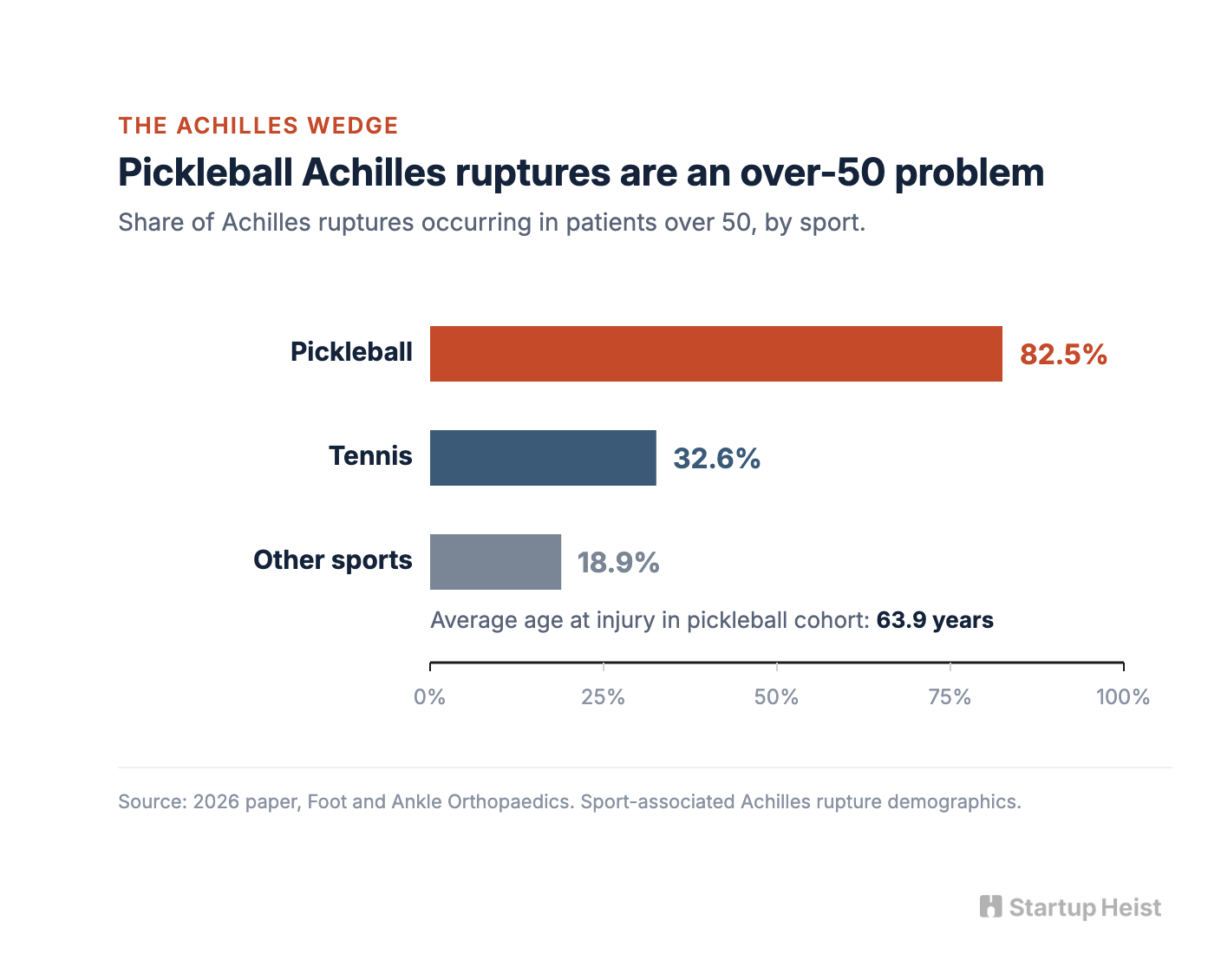
The sharpest wedge is Achilles rupture. A 2026 paper in Foot and Ankle Orthopaedics found that 82.5% of pickleball-associated Achilles ruptures occurred in patients over 50, compared with 32.6% in tennis and 18.9% in other sports. The average age at injury was 63.9. A separate fracture study found a 90-fold increase in pickleball-related fractures from 2002 to 2022, concentrated in women over 60 who fell on outstretched hands.
The buyer's frame is closer to: "I started playing pickleball to stay active. Now three people in my group are hurt, and I don't want to be next."
The Heist
Build Pickleball Pre-Hab for 55+: a mobile-first program that helps older recreational players prepare their calves, ankles, hips, balance, and movement patterns for the demands of the sport.
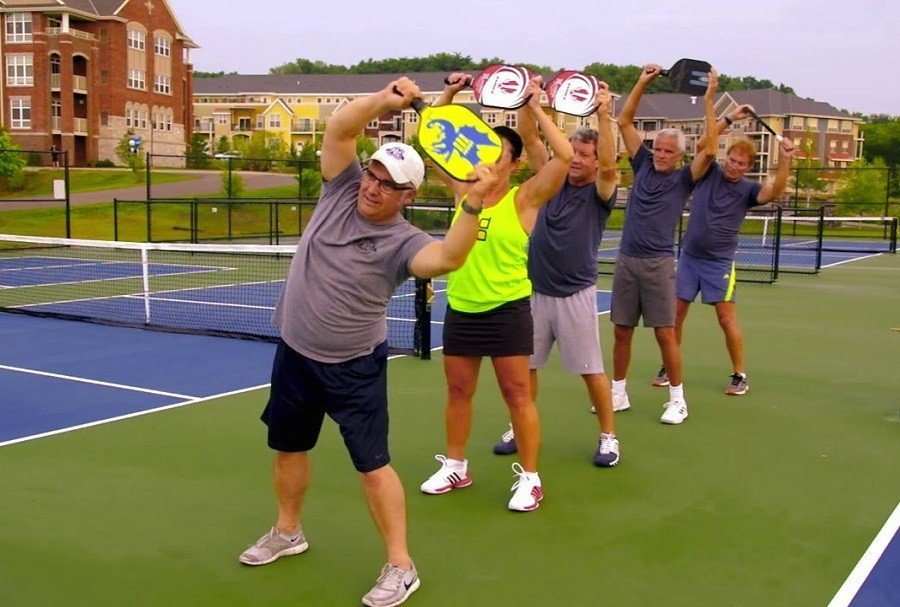
Skip the app for now. Lead with a clinically credible program. The first version is a paid 8 to 12 week course with short daily videos, printable warm-up cards, a weekly progression schedule, live onboarding, and optional PT video assessments. Don't promise to prevent all injuries. That's reckless. The believable promise is to build the lower-leg strength, balance, and court-readiness most older players skip before they start playing three times a week.
Think of this as a micro-SaaS / info-product hybrid, not a venture-scale fitness company on day one. The market doesn't need a $4 million native app with wearables, AI coaching, and a celebrity trainer. It needs a credible, useful program that can be sold through clubs, Facebook groups, PT clinics, orthopedic practices, and retirement communities. First $10K in monthly revenue is plausible. A $1M-a-year niche business is reachable if distribution works. Venture-scale outcomes only appear if this expands into active-aging sports pre-hab across pickleball, tennis, padel, golf, and hiking.
Why Now
Pickleball's growth has outrun the injury-prevention infrastructure around it.
Most recreational sports grow through youth systems, coaching ladders, and years of gradual conditioning. Pickleball grew through parks, retirement communities, rec centers, cruise ships, Facebook groups, and word-of-mouth. Millions of adults entered the sport as social participants, with no athletic base underneath. The danger is hidden because the sport looks gentle. Small court. Plastic ball. Toy paddle. The movement pattern, though, is real: sudden deceleration, short lunges, fast calf loading, backward steps, side shuffles, and falls. Older bodies often haven't trained any of it.
The injury timing is brutally specific. A 2026 Cedars-Sinai analysis found that 68% of pickleball-related Achilles ruptures happened within the first month of play, with nearly one-third in the very first game. The window where pre-hab pays back is measured in weeks, not seasons. Most older recreational pickleball injuries land before the player has built any base at all.
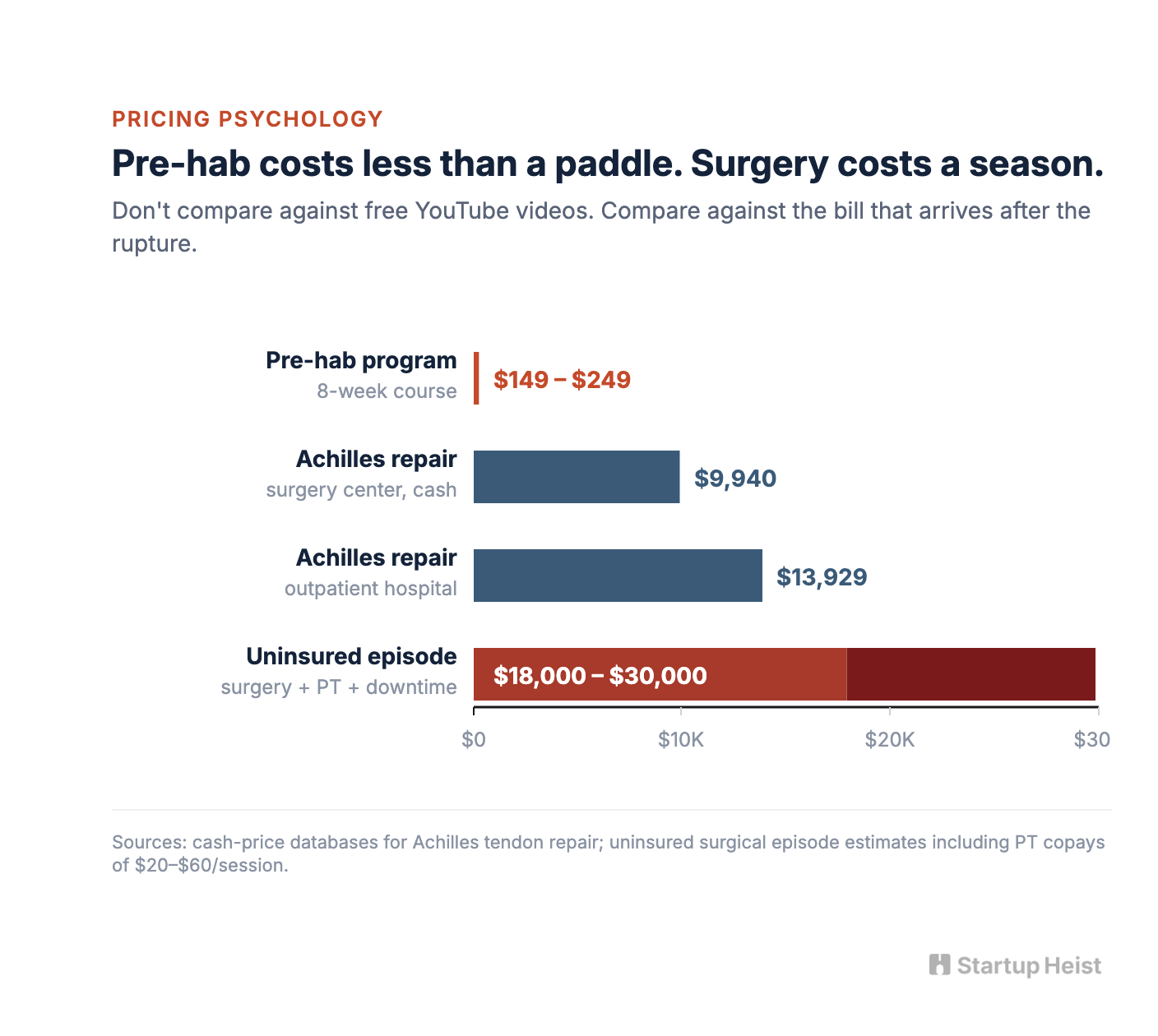
Healthcare costs sharpen the prevention angle further. Pickleball-related injuries drove an estimated $377 million in US healthcare costs in 2023. At the individual level, cash prices for Achilles tendon repair start near $9,940 at a surgery center and run past $13,929 at an outpatient hospital, with state ranges climbing into the high teens. Multi-week physical therapy adds copays of $20 to $60 per session, and uninsured estimates for the full surgical episode reach $18,000 to $30,000. Against that, a $149 to $249 pre-hab program doesn't feel expensive. It feels like a paddle upgrade or three private lessons. That's the pricing psychology to lean on. Don't compare against free YouTube stretching videos. Compare against the cost of one imaging visit or a lost season.
The Buyer
Ignore the lazy TAM pitch about 24 million pickleball players. The real buyer is a smaller, higher-intent segment: players over 55 who recently picked the sport up, players returning after a calf, Achilles, knee, ankle, wrist, or fall scare, spouses or adult children of an older player, pickleball clubs that want to reduce member injuries, and PTs and orthopods who need a credible home-exercise resource for recreational patients.
A reachable subset of pickleball over 55 players is the 10% to 20% who are injury-aware, recently hurt, afraid of getting hurt, or playing in a group where someone just tore something. Even at 400,000 high-intent buyers and $150 a year, the theoretical market clears $60 million. A small capture rate funds a lean, profitable operator.
"Fitness for seniors" sounds patronizing and won't win. The winning positioning is Stay on the court, or more concretely, the 10-minute pre-hab routine for pickleball players who want to play all year. Older players don't want to be treated like fragile patients. They want to keep playing. The brand should respect that.
Competitive Landscape
The competition exists, and it's poorly aimed. [P]rehab offers broad digital PT programming with a deep exercise library at $49 a month, but breadth creates search friction. A 64-year-old new pickleball player doesn't want to browse a body-part index. They want to know what to do before they play tomorrow. Future and Caliber sit in premium 1-on-1 coaching territory at $150 to $300 a month, which is too expensive and too general for this use case. SilverSneakers is trusted, senior-friendly, and often free through Medicare Advantage plans, but it's generic senior fitness, with no sport-specific pre-hab for high-deceleration racquet sports. The closest named adjacency is Better Pickleball Academy, which sells an 8-week skill-and-fitness challenge for 50+ at roughly $30 a month, but it's coaching-led, not clinical pre-hab.
That leaves a clean gap: a product specific enough to feel made for pickleball, credible enough for clinicians, simple enough for older users, and cheap enough to buy without a long decision cycle. The defensibility comes from positioning, trust, and distribution, not technology.
The Product
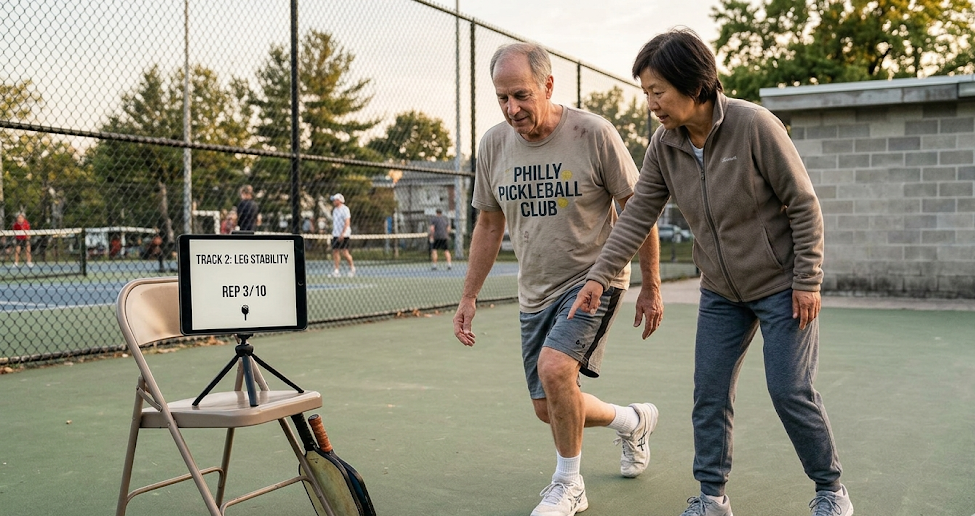
The MVP should be almost embarrassingly simple. Build an 8-week "Court Ready" program with three tracks:
Unlock the Vault.
Join founders who spot opportunities ahead of the crowd. Actionable insights. Zero fluff.
“Intelligent, bold, minus the pretense.”
“Like discovering the cheat codes of the startup world.”
“SH is off-Broadway for founders — weird, sharp, and ahead of the curve.”


