


Japanese record pressings came wrapped with a narrow strip of paper down the spine. It's called an obi. Title, price, catalog number, all printed on a band you had to slide off before you could get at the record, and most people slid it off and dropped it in the trash without a second thought.
A Japanese first pressing of Dark Side of the Moon from 1973, graded VG+, averages about $120 today. The same record with the obi still on it averages about $225.
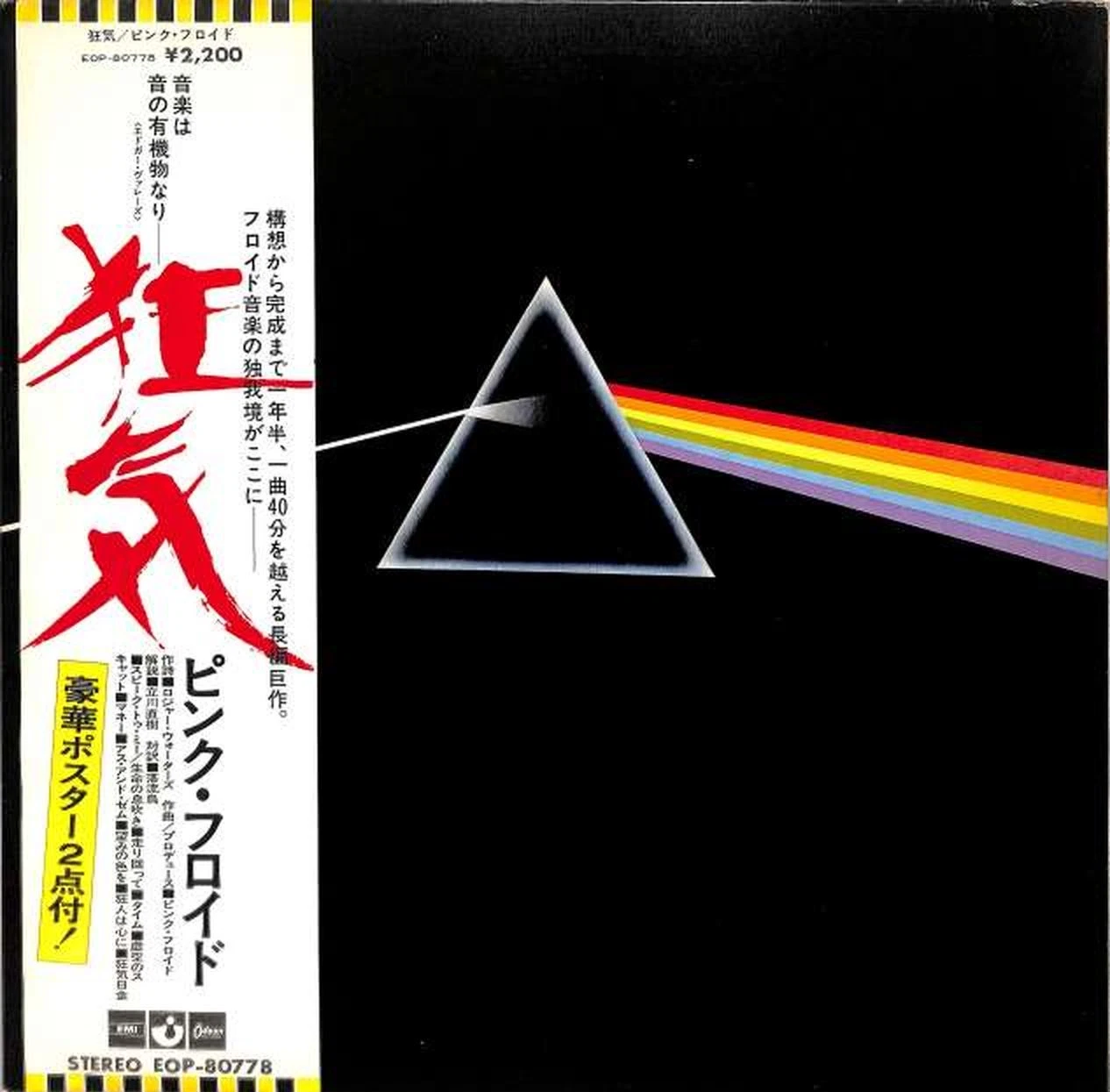
Same vinyl, same sleeve, same music you can stream right now for free. The paper is worth almost as much as the record it was wrapped around.
Collectors will tell you the obi proves the copy is complete and that somebody took care of it, and they're right. It's also just paper. Somebody in 1973 decided this pressing was worth keeping intact and somebody else didn't, and fifty years later that decision is worth $105.
CDs are sitting in the same spot right now and we're mostly not looking. U.S. CD sales grew 16% in the first half of 2026, to 16.3 million units. Vinyl grew 2.4%. Roughly half of Gen Z and millennial CD buyers don't own a CD player, which means they're buying albums they physically cannot play. What they're paying for is an object that proves they showed up for an artist.
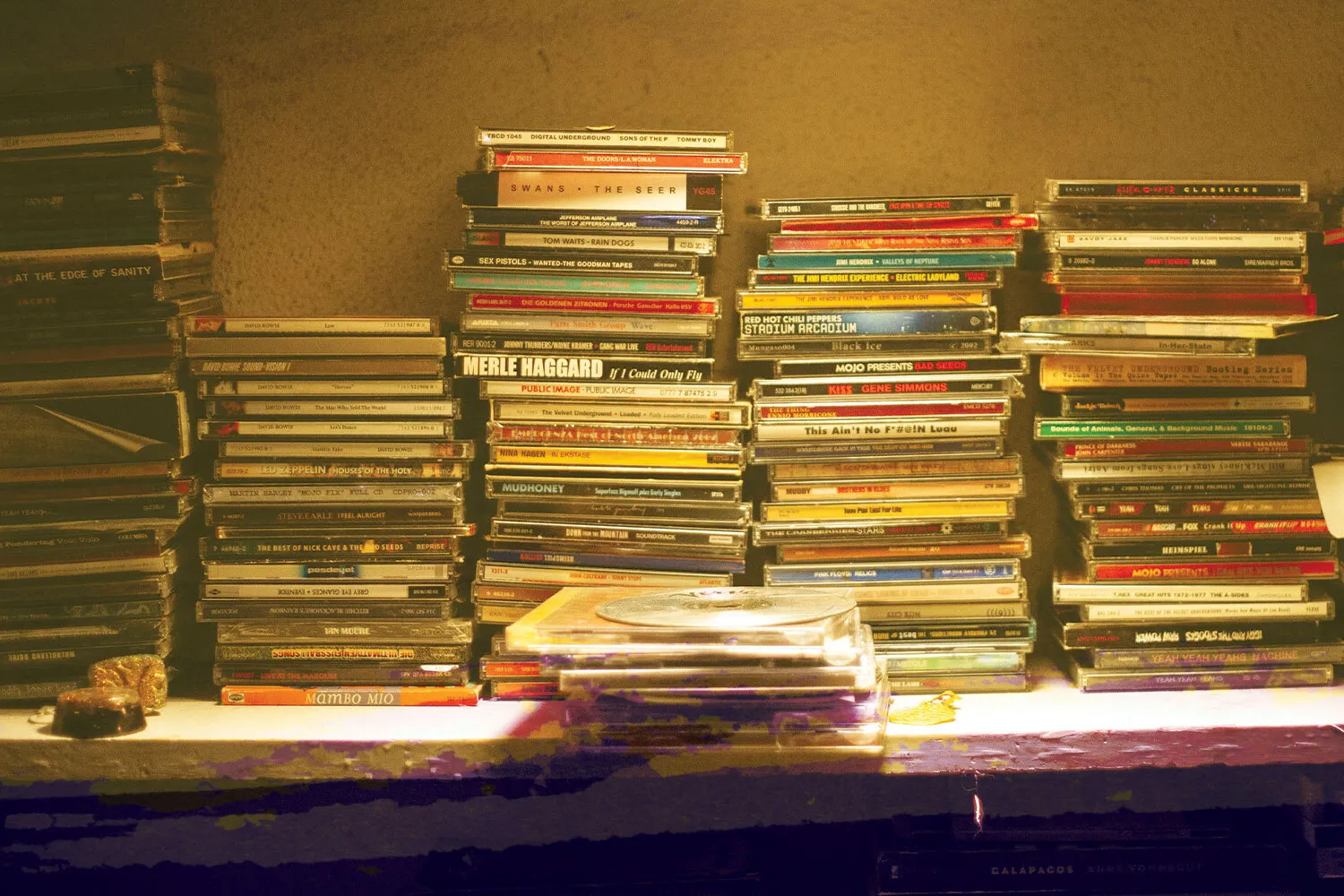
Meanwhile a disc costs about $2 to manufacture, minimum order of one, back in your hands in 24 hours.
Today's featured idea is the drop infrastructure nobody has bothered to build: an artist uploads a master and artwork and gets back a numbered 100-copy collector edition, obi strip included, plus a storefront and fulfillment. Contribution runs $300 to $500 per drop. Twenty-five launches a month puts $7,500 to $12,500 of monthly gross profit in one person's pocket.
Read the full playbook here:

U.S. CD sales grew 16% this year while vinyl stalled at 2.4%. Independent artists want collectible editions, but the short-run drop infrastructure between manufacturers and Shopify does not exist yet.
From the Vault:

U.S. school districts keep access to roughly 3,001 ed-tech tools while staff meaningfully use four. The ESSER cliff turned that sediment into a budget problem someone gets paid to fix.

AI made building cheap and finding customers expensive. Between $29 validation tools and a $66 cost per lead sits a productized sprint technical founders will pay thousands for.


