


In 1962 the federal government got into the baking business. Civil defense needed something to stock the nation's fallout shelters, so it commissioned the All-Purpose Survival Cracker, a bulgur wheat biscuit picked in part because bulgur had stayed edible after 3,000 years in an Egyptian pyramid. By the time the program wound down in 1964, it had baked more than 20 billion of them and tucked the tins into school basements, courthouse crawl spaces, and church cellars across America.
Then everybody forgot they existed.
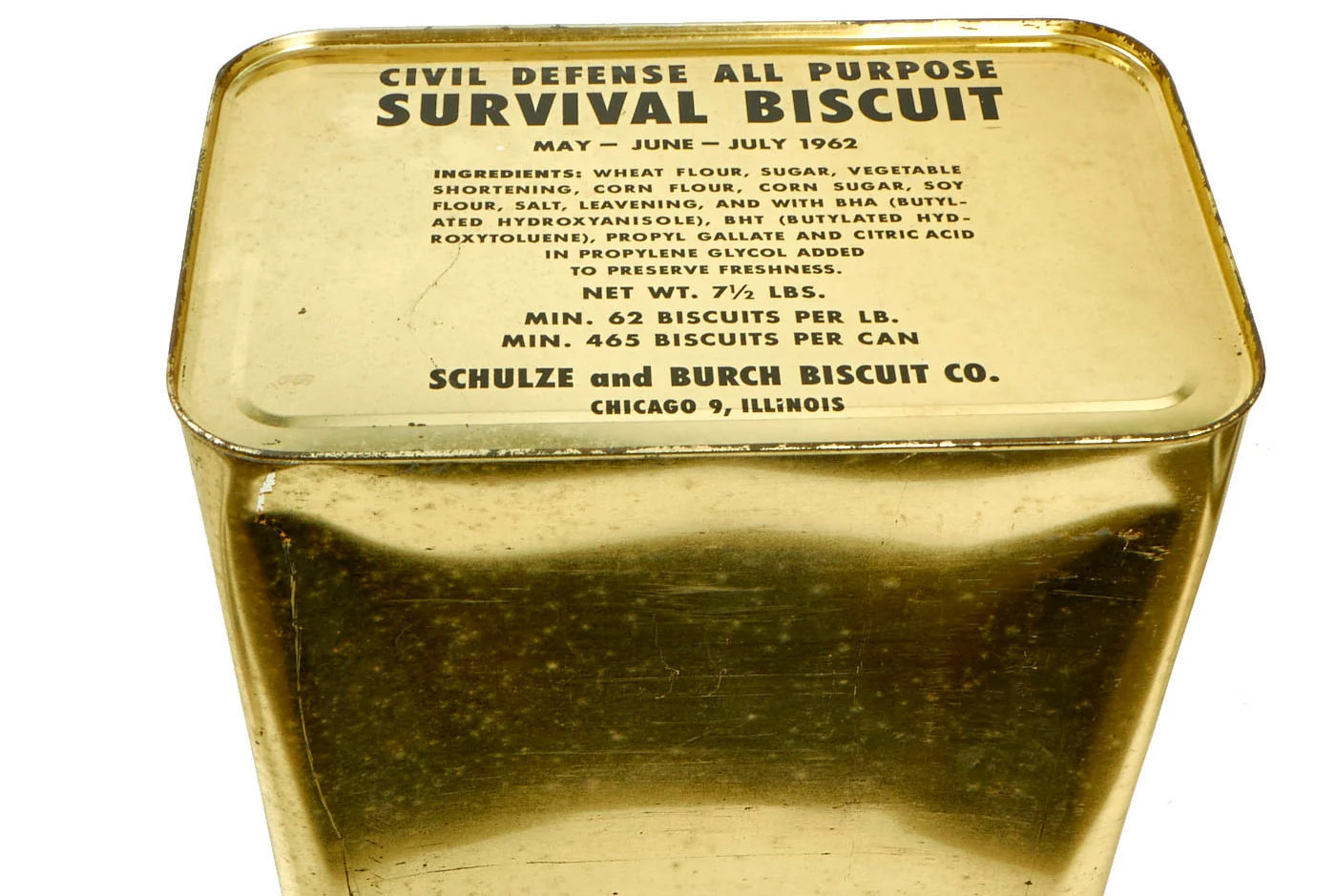
The tins are still turning up. Workers at Wayne State University found a whole stockpile in a campus basement, stamped November 1962. A facilities exec pried one open and took a bite. His review: "a little bit better than dog biscuits." He passed on the 48-year-old water sitting next to it. Smart man.
That's the real lifecycle of emergency supplies: bought in a panic, rediscovered as archaeology.
And we're rerunning the whole program right now, one household at a time. My Patriot Supply sells a three-month food kit for $797.95. FEMA says 73% of homeowners keep emergency supplies, and the tracking system for most of them is memory and a sharpie. Nobody owns the software layer. What's in the garage, when does it expire, and how many days does it actually buy you?
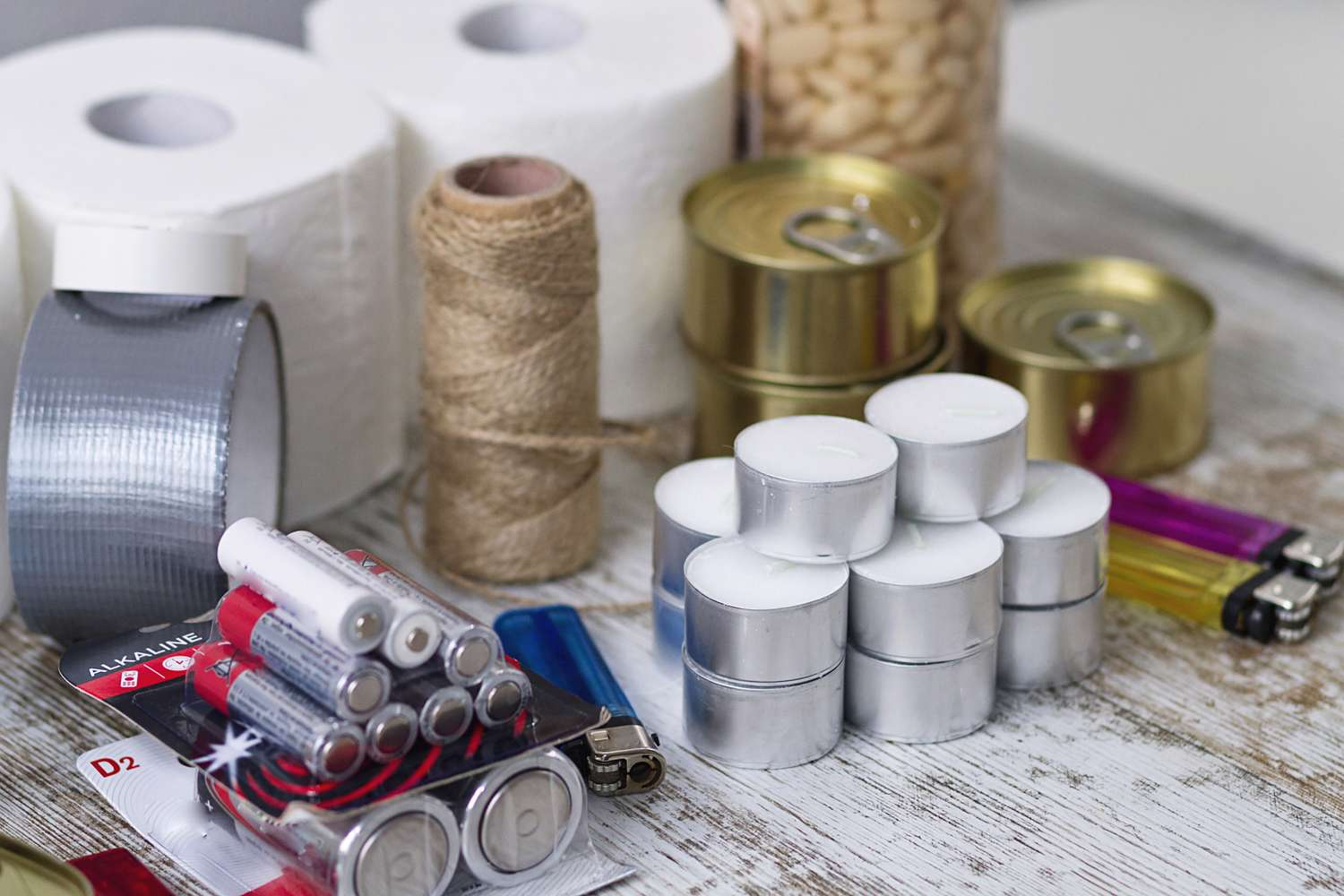
Today's featured idea is the Backup Pantry OS, a mobile app that tracks the backup pantry (emergency food, water, batteries, medicine) by batch, location, and rotation date, then turns all of it into one number: days of readiness. It's sold as calm household readiness for normal families, not prepper gear for guys with bunkers. At $29.99 a year, 2,000 households is $60K ARR and 35,000 clears $1 million. The sharpest move in the playbook is the vendor angle: a QR card tucked inside every $800 kit that imports the whole damn thing in one scan, which makes the food sellers your acquisition channel.
Read the full playbook here:
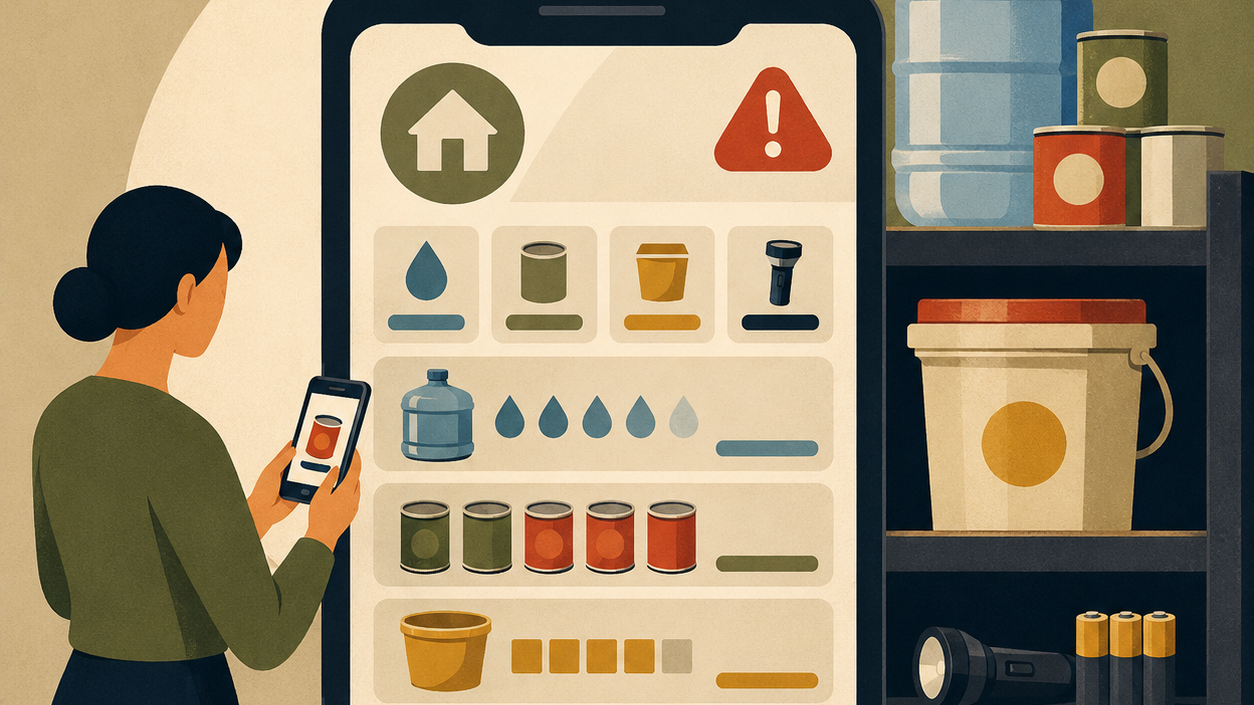
Households now spend $800 on emergency food kits and track them on paper. FEMA says 73% keep supplies; no app owns the rotation, expiration, and days-of-coverage layer.
From the Vault:
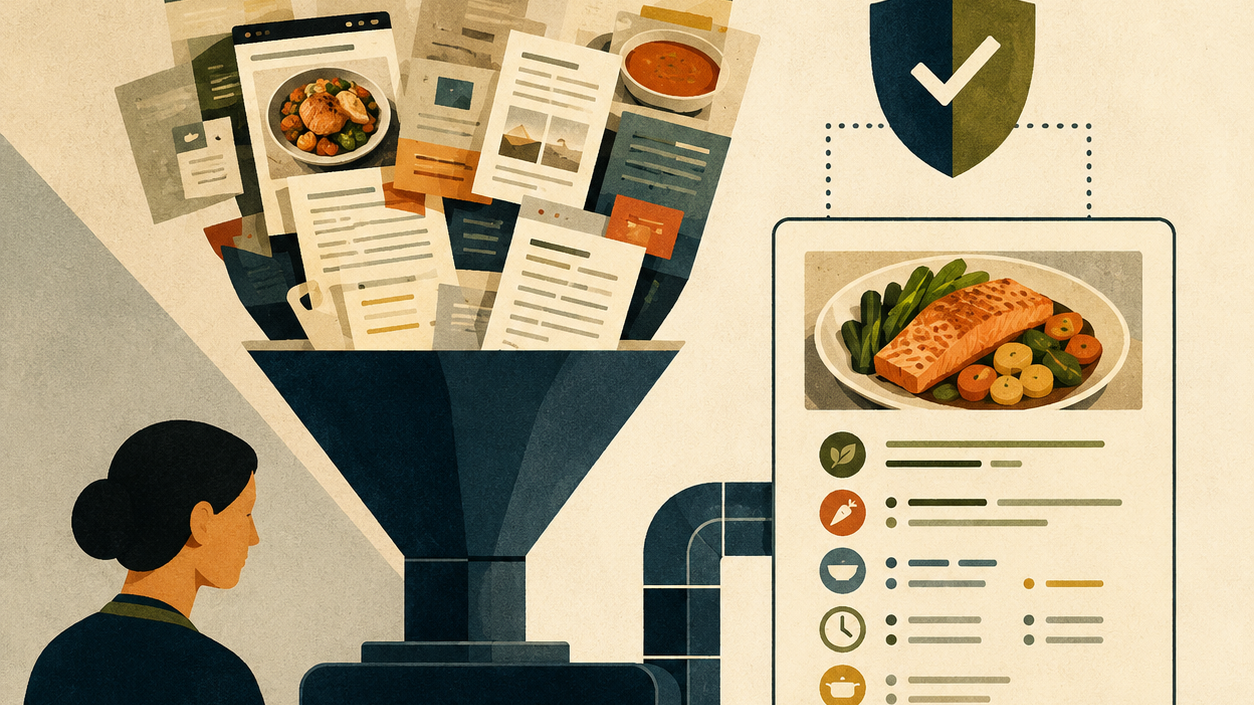
AI meal planners need clean recipe JSON. Publishers are blocking crawlers. The money sits in governed ingestion: provenance, licensing rules, and field-level confidence for content customers already own.

The NBA turned creators into official distribution. Youth sports operators own the footage and the sponsor money, with no system for releasing clips to creators safely.


