


Somebody once handed a room of students a strange problem. You have to meet a stranger in New York City tomorrow. You have no way to reach them first, and they're looking for you at the exact moment you're looking for them. Where do you go, and when?
Most of the room said the same thing. Under the clock at Grand Central, noon.
Nothing about that clock makes it better than a bar on 9th or the steps of the library. The payoff isn't higher there. It just became the spot everybody assumed everybody else would assume.

The guy behind it was Thomas Schelling. He called it a focal point and wrote it up in 1960. The Nobel committee got around to the broader work in 2005.
Local commerce never got a clock. A vintage seller lists a jacket on Facebook Marketplace, OfferUp, and Instagram, three buyers surface within the hour, and the whole thing ends with "meet me outside the Target at 7." Half of them show up late and one just ghosts.
On July 15, USPS quietly built the clock. Local XChange lets a seller drop a package into a Smart Locker for $5.51, and USPS emails the buyer a pickup QR code. Nobody meets anybody. Roughly 700 locations already have the hardware.
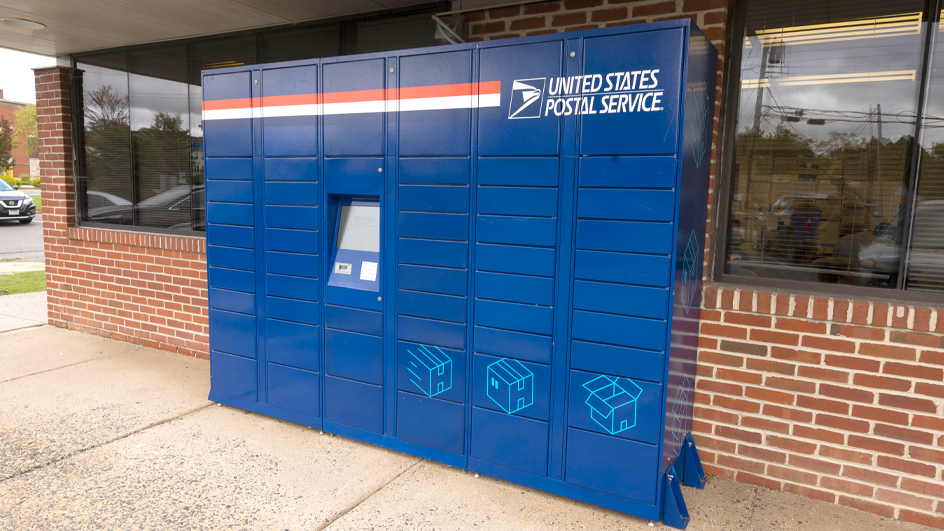
And that's where USPS stopped. The seller still collects the buyer's email by hand, confirms payment somewhere else, and keeps the whole record in their camera roll, which apparently counts as a database now. Someone doing 40 local deals a month is tracking pickup windows in a spreadsheet.
That gap is a small software business one of us could ship this quarter. Resellers already pay $29 to $99 a month for cross-listing tools, and 100 of them at $49 is roughly $4,900 MRR. At 500 sellers it clears $350K ARR, bootstrapped, and you never hold inventory or touch escrow.
Read the full playbook here:
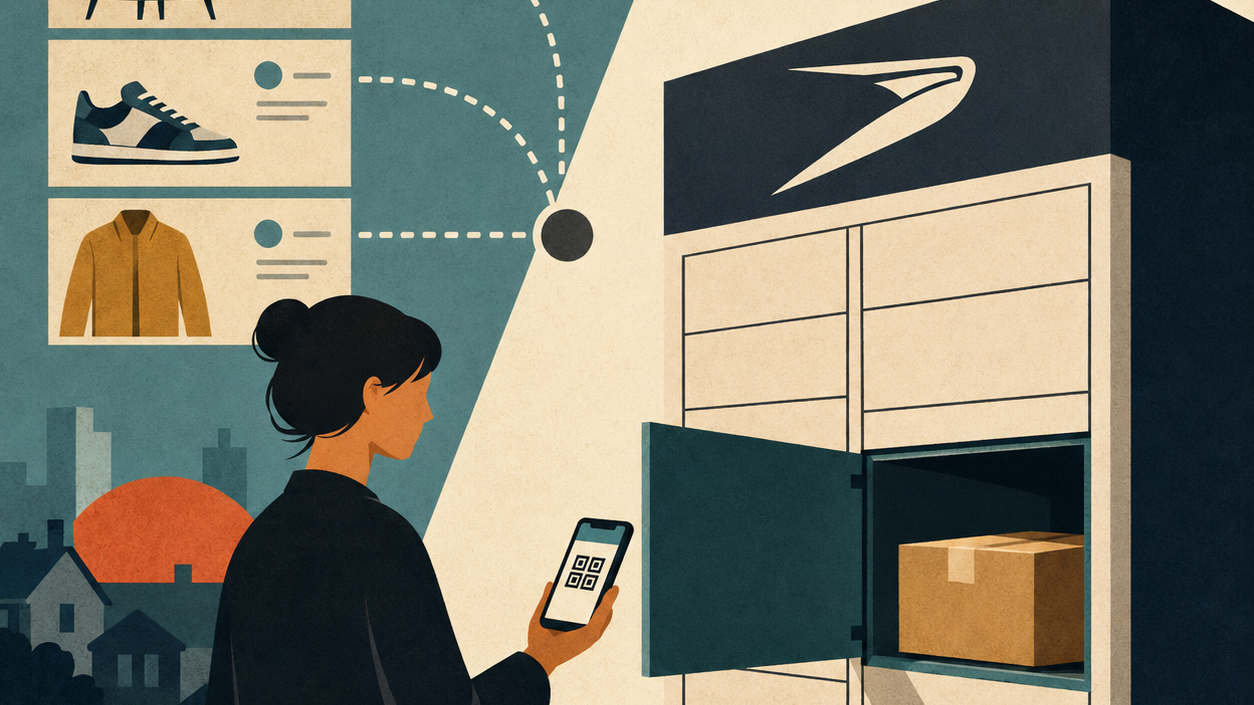
USPS launched a $5.51 Smart Locker exchange for local buyers and sellers, then shipped no software around it. High-volume resellers on Facebook Marketplace and OfferUp are the customer.
From the Vault:
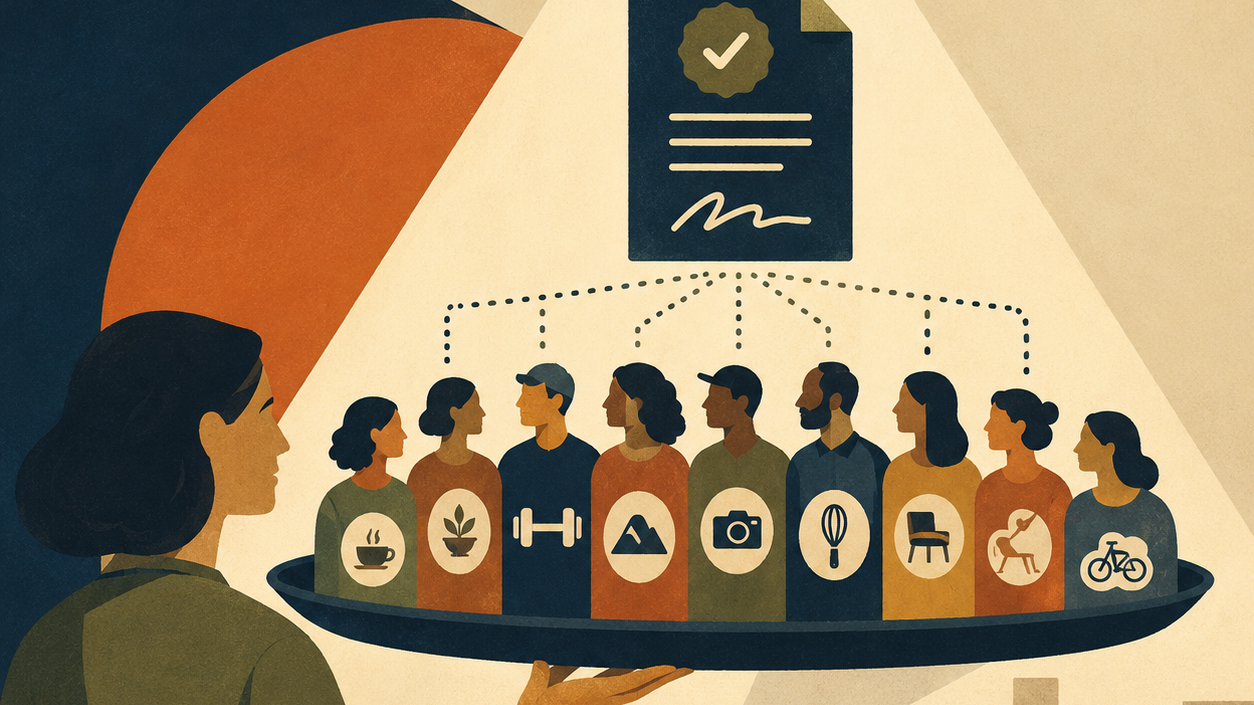
U.S. creator ad spend hits $44 billion in 2026, yet a third of buyers still can't find the right creators. The fragmented middle is a packaging problem.
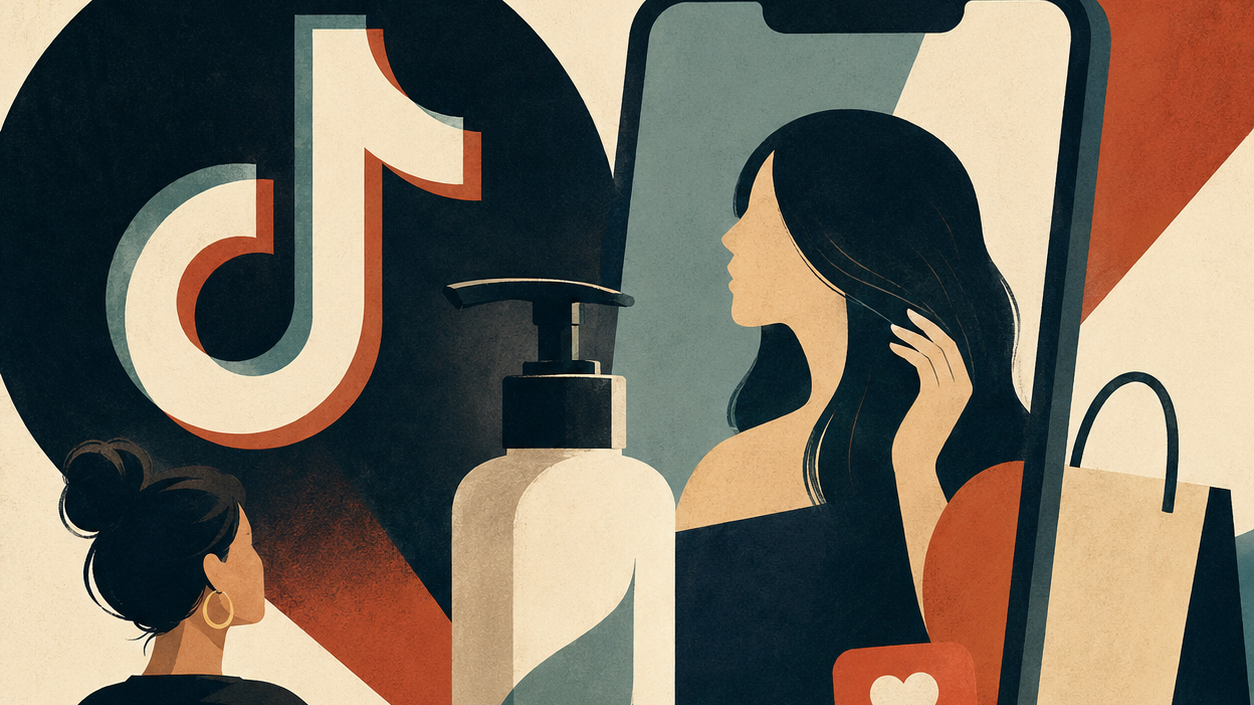
Dove, Redken, and Oribe are all racing to own the word densifying. Fourteen launches hit in April alone. The postpartum customer is still unclaimed on TikTok Shop.


