


Two ad guys at a London agency in 1996 got handed Marmite, the black yeast spread that tastes like a bouillon cube picked a fight with a battery. Five minutes into the brainstorm, they hit a wall: Richard loved the stuff, Andy couldn't keep it down. Most teams would've quietly buried that disagreement and written something safe about toast.
They did the opposite. They put the fight on TV. One spot had people bathing in Marmite. Another had people spitting it out and dumping jars into the sea. The tagline just admitted it: "You either love it or hate it."
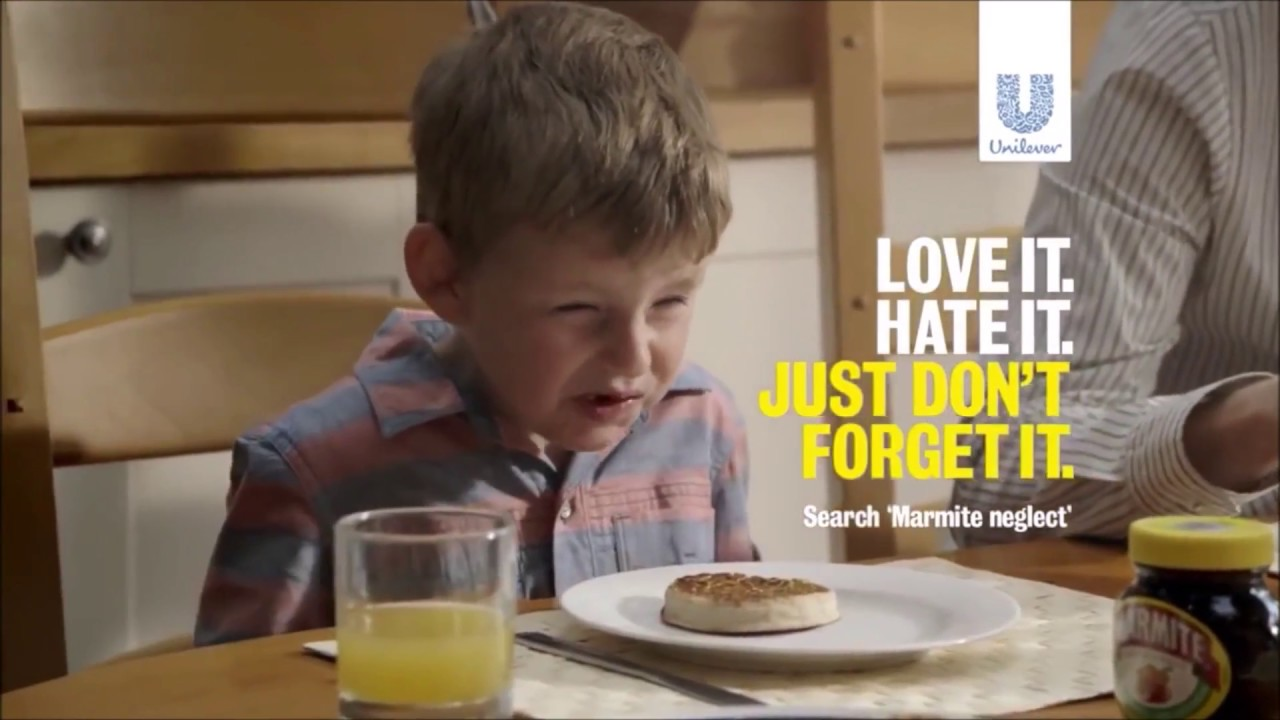
Here's the thing: they never tried to win the haters back. They aimed straight at the people who already loved it and dared everyone else to walk. Sales held. "Like Marmite" now means anything divisive, from a band to a politician to pineapple on pizza. One of the guys later shrugged the whole thing off as "a truth." The flaw was the pitch.
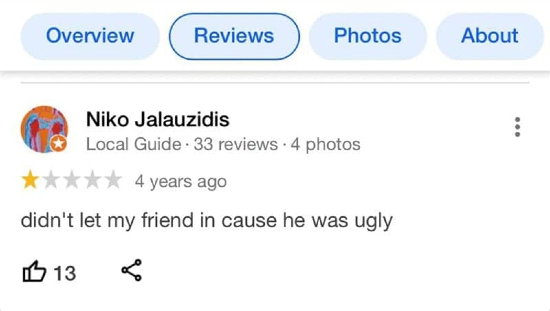
Now point that lens at a one-star review. "The hot chicken was way too spicy. Inedible." For the wrong customer, that's a complaint. For the right one, it's the best billboard in town.
Today's featured idea turns local businesses' funniest one-star reviews into framed posters, bathroom prints, and staff merch, sold by personalized cold email and fulfilled with print-on-demand. You find a restaurant sitting on a badge-of-honor review, mock it up as a gallery-quality print, and send the owner a note that's hard to ignore: "Someone left you a terrible review. You should frame it."
No inventory. No warehouse. A solo operator landing 100 orders a month at a $140 average order value clears $14K a month, before campaign kits and merch push it higher. The scarce skill here isn't engineering. It's taste, knowing which insult is secretly an ad.
Read the full playbook here:
Restaurants, bars, and gyms get one-star reviews every day. The funniest ones are brand assets — and a solo operator can turn them into framed posters and merch kits at $14K/month.
From the Vault:

Elder fraud hit $4.8 billion in 2024 — and Google’s new on-device scam detection just validated the market without owning the family layer. Here’s the product that fills the gap.

Shopify stores bleed 70% of carts to hesitation, not price. A negotiation app that turns hesitation into a margin-controlled closing game — and willingness-to-pay data into a moat.


