


In November 2012, Hostess announced it was shutting down for good, and America briefly lost its mind over a snack cake. Twinkies vanished from shelves in days. People hoarded boxes in their garages, and eBay filled up with listings marking up a 40-cent sponge cake like it was a rare coin.
Apollo Global Management and Dean Metropoulos bid about $410 million for the snack-cake business. Theirs was the only offer anybody submitted. They put in $186 million in cash, reopened the bakeries, and had Twinkies back on shelves by July 2013 under the tagline "The Sweetest Comeback in the History of Ever."
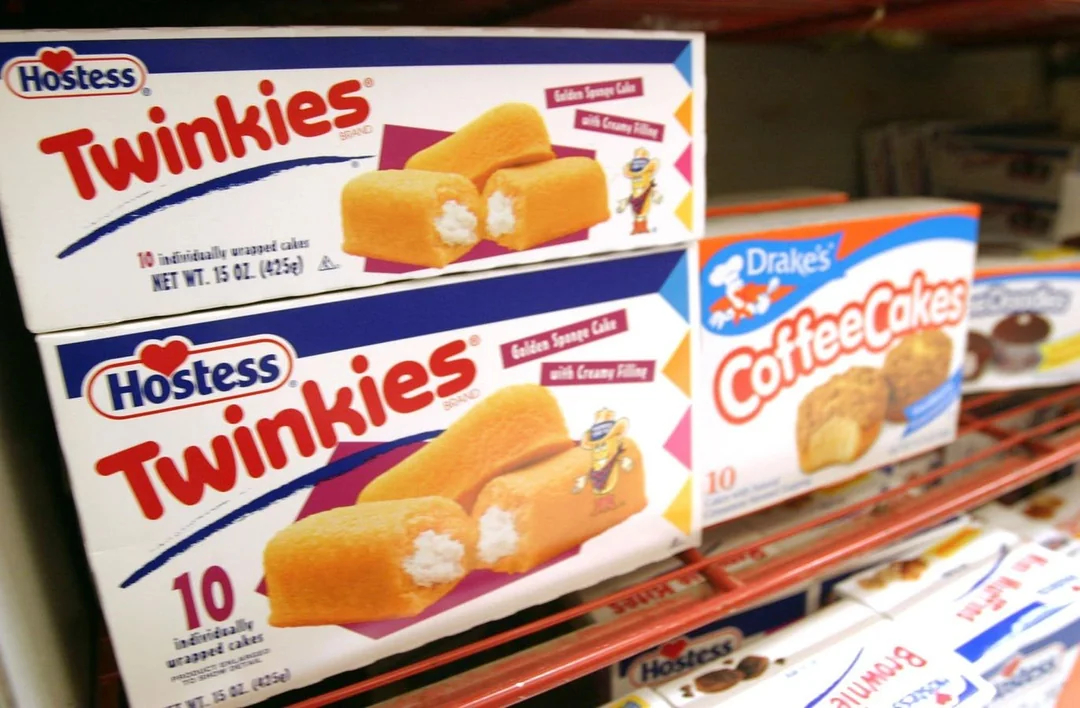
Less than four years later, the company sold at a $2.3 billion valuation.
The eBay listings weren't a joke. They were a term sheet. Everybody could see the nostalgia; two guys bothered to price it.
Pick almost any DTC brand from the 2010s and you'll find its own little Twinkie shelf: discontinued products whose demand is trading in public right now, in eBay sold records, Depop listings, and support tickets nobody has read since 2019.

Today's featured idea, the SKU Resurrection Desk, is a research service that reads those markets for brands. The pattern is already running. TRIANGL relaunched its 2016-era neoprene bikinis in January and sold out while TikTok searches for "2016" climbed 452%. Marc Jacobs Beauty traded at double retail on resale for five years before Coty brought it back this year with 72 pieces. The desk ranks a brand's dead catalog on resale evidence, kills the false positives (a product can look beloved because one seller relisted the same unsold bag forty times), and proves demand with waitlists and refundable deposits before anyone places a factory order. The money: three audits a month at $4,000, a $7,500 validation sprint, and a launch every other month lands around $25,500 a month, solo. The brand that killed your favorite hoodie is a fine place to start.
Read the full playbook here:

TRIANGL's neoprene relaunch sold out because the demand was already visible on eBay and Depop. Most DTC brands have the same evidence sitting in discontinued catalogs, unread.
From the Vault:
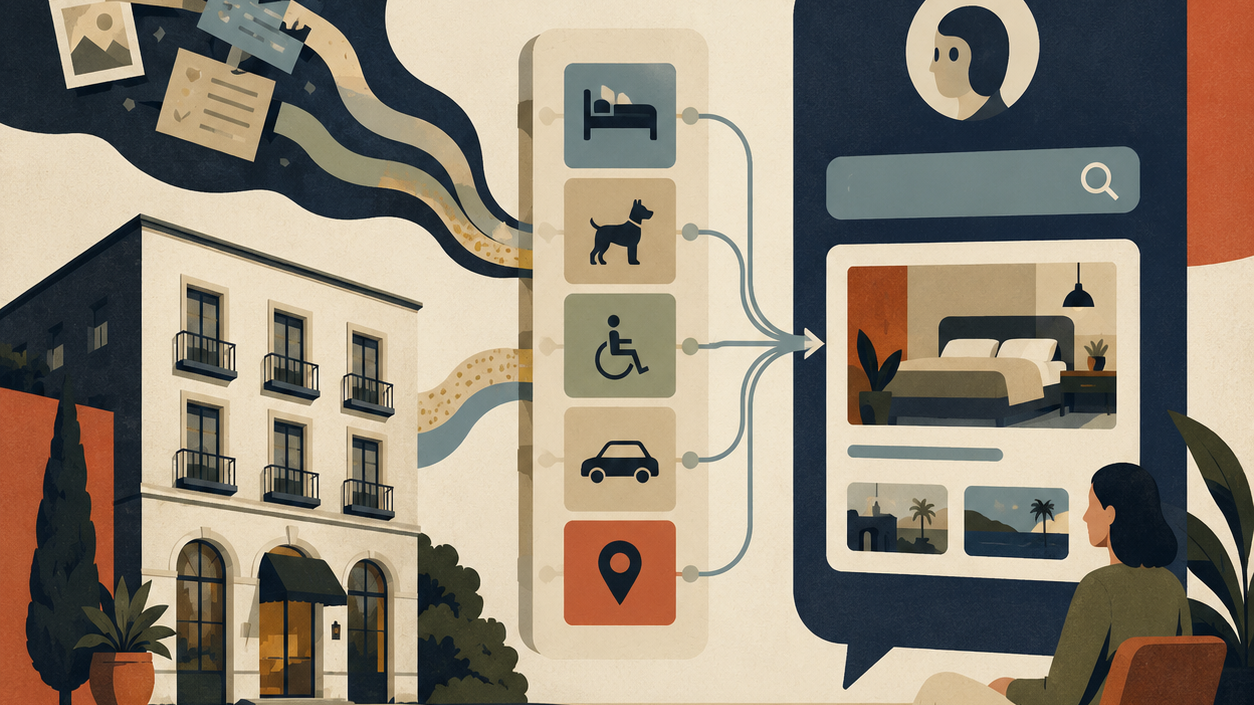
Radisson hired Accenture to clean its property data before launching inside ChatGPT. Independent hotels face the same broken rooms, fees, and policy records with no consultant coming.

Google's Play Age Signals goes global before December and Apple's Declared Age Range is already live. The signal is free. Proving what you did with it isn't.


