


In 2013, researchers published a paper in PLOS ONE with a title that sounds like a joke and reads like a warning label: "Prevalent Hallucinations during Medical Internships."
They tracked 74 medical interns through the year. They didn't measure cholesterol or sleep patterns. They measured phantom vibrations — the sensation that a phone was buzzing when it wasn't.
Before internship began, 78.1% of them reported phantom vibrations. Three months into internship, it jumped to 95.9%. At six months it stayed above 93%. Then, after the internship ended, the hallucination collapsed — down to 50% just two weeks later.
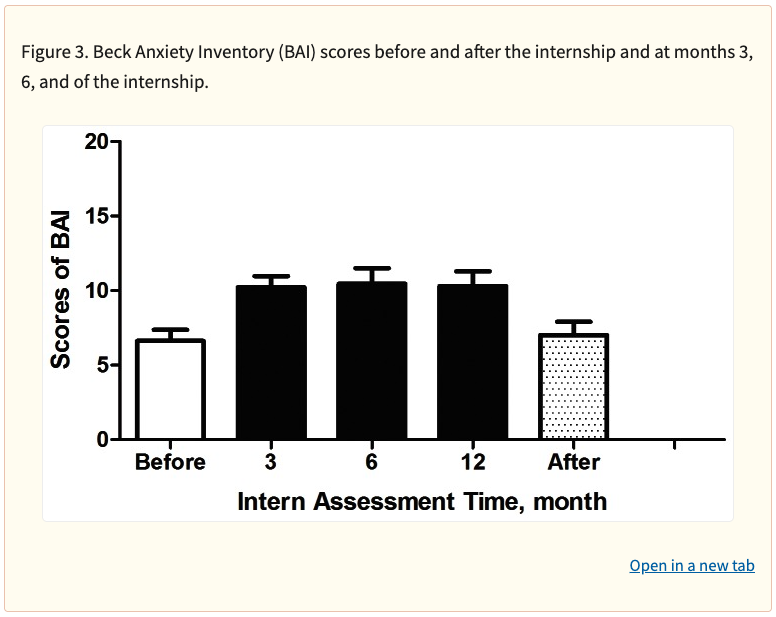
The environment changed, and the body stopped ringing imaginary bells.
This is the part business people love to ignore: a habit isn't a preference. It's a prediction. Your brain is a forecasting engine. If you teach it that "something important could happen any second," it starts filling silence with alerts. The message doesn't need to arrive for you to receive it.
That's why the most powerful products aren't "useful." They're rehearsable. They create cues that repeat until your nervous system runs them automatically.
Willpower is a weak strategy against this. You can't out-discipline a system that's training you 200 times a day.
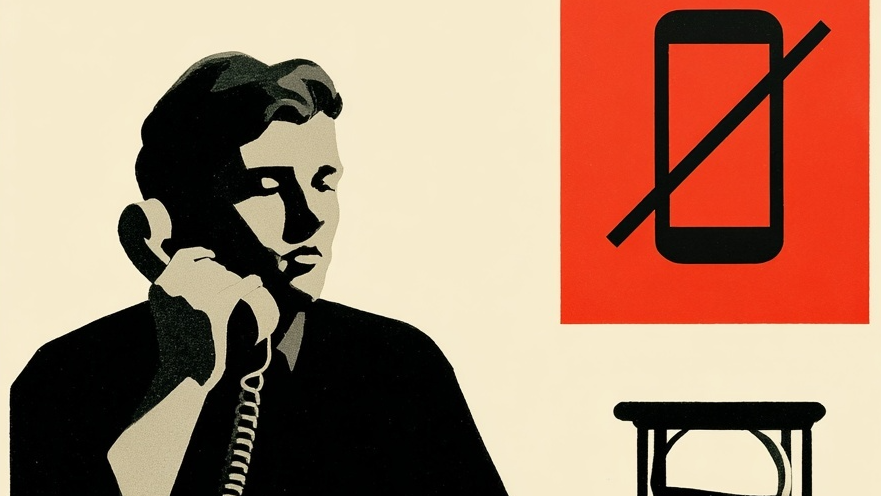
Today's Featured Opportunity: Offline Ritual Kits — a modern "house phone comeback," packaged as a product, not a sermon.
The play is simple: sell people a system that removes the cue entirely and replaces it with something their nervous system can trust.
A home-only call device. A phone bowl plus timer. Prompt cards that turn "no-scroll dinner" into a shared ritual. People don't lack discipline — discipline simply can't beat conditioning.

The business model isn't a one-and-done gadget. It's a category:
- Repeat kits (new rituals, seasonal drops)
- Subscriptions (weekly prompts, challenges, rituals-on-rails)
- B2B bundles (teams, offsites, boutique hotels, therapy practices)
Price a starter kit at $79–$149 with 60%+ gross margins, layer a $12/mo ritual subscription, and there's a clean path to $30–$80K/month — with UGC doing the marketing for you.
Read the full playbook here:
A Stanford grad's $280K handset launch proved people pay for phone boundaries—but the durable business is owning offline ritual formats, not selling another cute gadget.
From the Vault:

Early dining bookings now exceed late-night slots. The opportunity is building recurring social infrastructure, not another deal marketplace.

AI content abundance collapses trust while regulators demand proof-of-human. A productized agency selling verified founder media becomes the compliance layer, then the standard.


