


Background
"Free work" isn't charity. It's unpriced intent. Productize the trial.
Every week on Reddit, hungry operators post offering real work for free. Automation builds, websites, growth help, audits, "anything tech." These aren't charity posts. They're people trying to earn proof in a market that demands credentials they can't get without a first client.

On the other side: early-stage founders drowning in bottlenecks they can't afford to solve at agency rates. They want help. They just don't have a trusted way to filter it, scope it, or turn it into an ongoing relationship.
That gap is a micro SaaS idea hiding in plain sight. Build a micro-trial marketplace — timeboxed, deliverable-based engagements that evolve into a reputation and outcomes graph — and you're sitting on a new category of freelance automation tool with a clear path to first revenue.
The Core Bet
Portfolios are theater. A two-hour scoped trial with a real startup is forward-looking proof you can't fabricate, and it produces a portable track record: deliverables, ratings, conversion data.
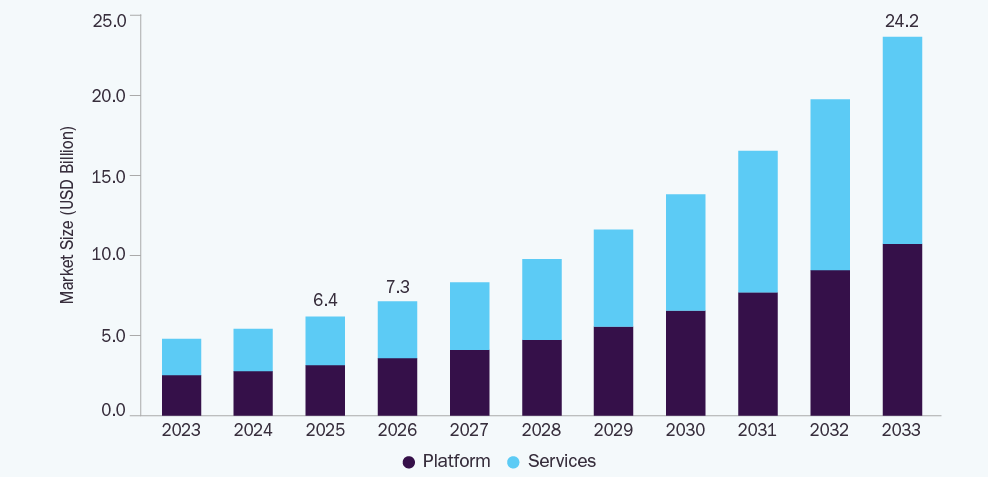
Build the system that standardizes these trials and you create infrastructure for early-stage collaboration — a new kind of B2B SaaS tool for matching talent to startups. The global freelance platform market hit roughly $7.3 billion in 2024 and is projected near $16.5 billion by 2029, growing 17–18% annually. More than 70 million Americans already freelance. The infrastructure is massive — yet the earliest, most trust-dependent phase of the talent relationship remains completely unstructured. That's the wedge.
Why this is real
The "I'll do X for free" posts aren't one-offs. They recur weekly with genuine demand in the replies — founders treating them as auditions for paid work. The behavior is already happening at spreadsheet scale, waiting to be productized.
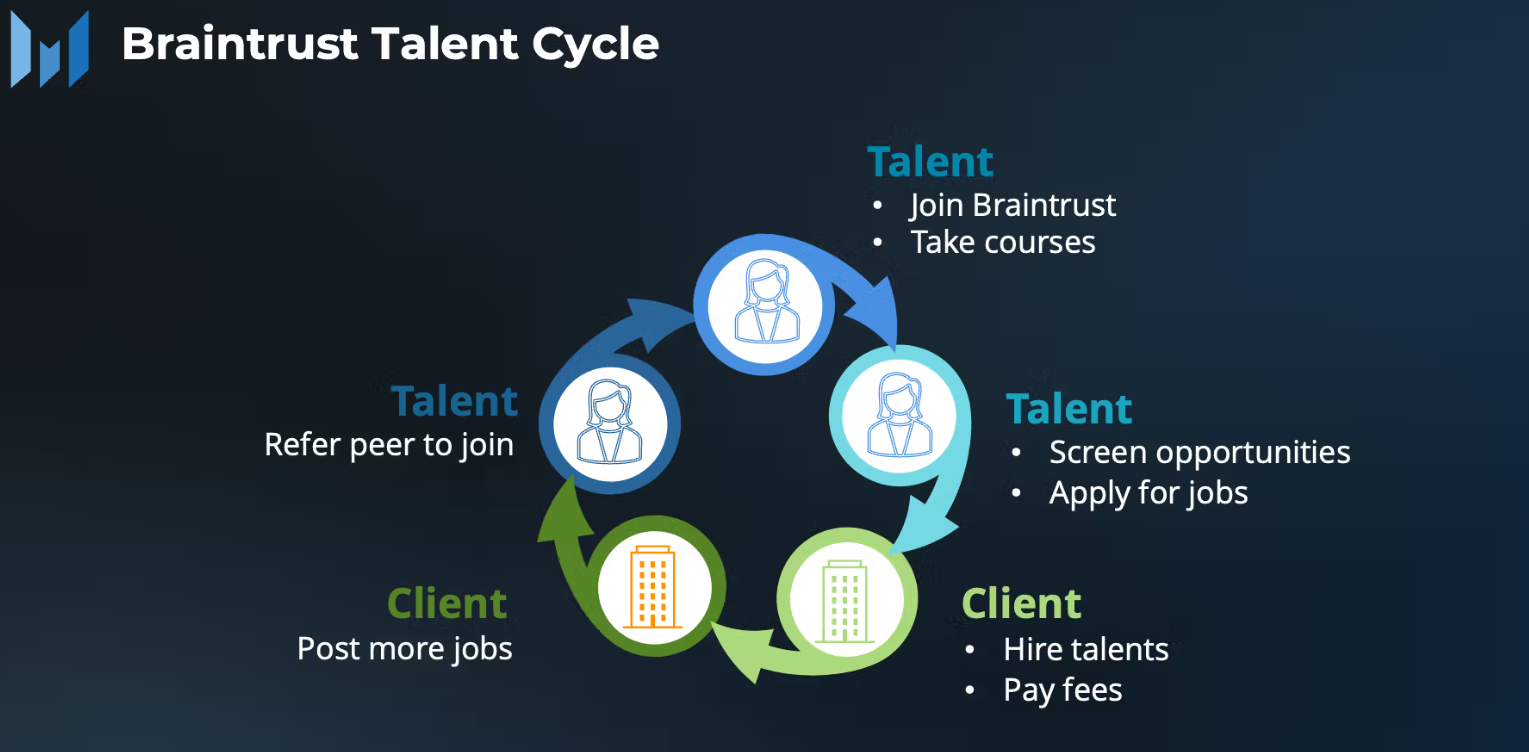
Adjacent winners prove the model but miss the specific gap. Braintrust runs a decentralized talent network with a flat 15% client fee and 0% talent fee. Freelancers keep 100% of earnings. That's the reputation-network play at paid rates, aimed at enterprise clients like Nestlé and Goldman Sachs. Built for $100/hour knowledge workers, not scrappy founders testing their first hire.
Upwork overhauled its fee structure in 2025. Freelancers now face variable fees up to 15% per contract; clients pay up to 7.99% on the basic plan. Billions in transactions, but no first-class workflow for "try this person for two hours, then decide."
Contra markets "commission-free" for freelancers as a tools-and-network play, but doesn't solve the "earn your first proof" problem.
Parker Dewey is the closest conceptual validation. Their micro-internships run 5–40 hours at fixed project fees ($200–$600), and employers using them report 40–80% lower cost per hire and strong first-year retention. The model works. But it targets college students and corporate recruiters with HR budgets, not indie founders and freelance operators.

The wedge is narrower and sharper: micro-trials for early-stage founders, with outcomes tracked and conversion engineered from day one. Nobody owns this position yet.
The Category Move: Build "Stripe for Trial Work"
The platform is three products welded together.

Unlock the Vault.
Join founders who spot opportunities ahead of the crowd. Actionable insights. Zero fluff.
“Intelligent, bold, minus the pretense.”
“Like discovering the cheat codes of the startup world.”
“SH is off-Broadway for founders — weird, sharp, and ahead of the curve.”


