


In 2019, McDonald's made its largest acquisition in 20 years. Not a competitor or a food brand — a $300 million Israeli AI company called Dynamic Yield.
Its job? Rewrite the drive-thru menu board in real time. Hot coffee pushes itself forward on rainy mornings. Ice cream climbs the screen at 2 PM on a Saturday. The burger you're most likely to upsize appears right after the car ahead of you orders.
McDonald's didn't spend $300 million to make better food. They spent it to make the screen between you and the food smarter. Because at the point of decision, the interface is the product. The last thing you see before you say yes matters more than anything happening in the kitchen.
Restaurants have always known this on some level — the chalkboard special, the dessert cart wheeled tableside. What they haven't internalized is that the moment of decision is now a design problem, not a hospitality problem.
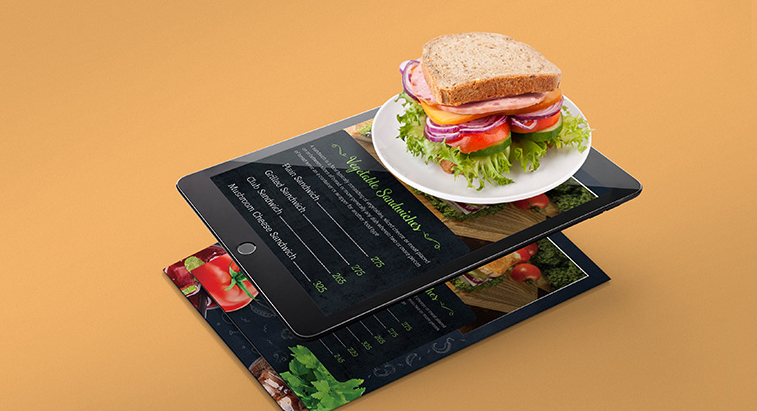
That's where today's startup opportunity lives. Not for McDonald's, but for the independent cocktail bar or 15-location restaurant group where desserts and cocktails are margin monsters — and half the table skips them because they can't picture what they're ordering.
The idea: an AR upsell layer that leaves the paper menu alone and adds interactive 3D previews to five or six high-margin items. A small icon next to the espresso martini opens a browser-based preview at actual size on your table. No app required.
At $249–$899 per month per location, fewer than 100 restaurants on the platform clears $20K–$50K in monthly recurring revenue. The MVP ships in 30–45 days.
Read the full playbook here:

Restaurants are $1.55 trillion in sales but razor-thin on margin. A visual upsell layer for high-margin menu items — built as menu optimization SaaS, not an AR gimmick — is a restaurant tech startup idea hiding in plain sight.
From the Vault:

Every month, hundreds of live micro-SaaS products launch inside Ask HN threads — shipped, priced, and invisible to every acquisition marketplace. A B2B data product that structures this pre-market inventory into scored dealflow for micro-acquirers and agencies could clear $70K in year one.

Creators earning $10K–$100K/year from brand deals lose months chasing payments. A fintech startup idea combining instant payouts with invoicing automation could own the cashflow layer of a $250B market.


