


In 1845, you couldn't take a train across England without getting off and walking.
The problem wasn't the steam engines. Isambard Kingdom Brunel, the genius behind the Great Western Railway, built his tracks 7 feet wide ("broad gauge"). His rival, George Stephenson, built his 4 feet, 8.5 inches wide ("standard gauge").
Where the two empires met at Gloucester, the network broke. Passengers had to disembark. Every ton of coal had to be manually shoveled from one train to another. They called it the "break of gauge."
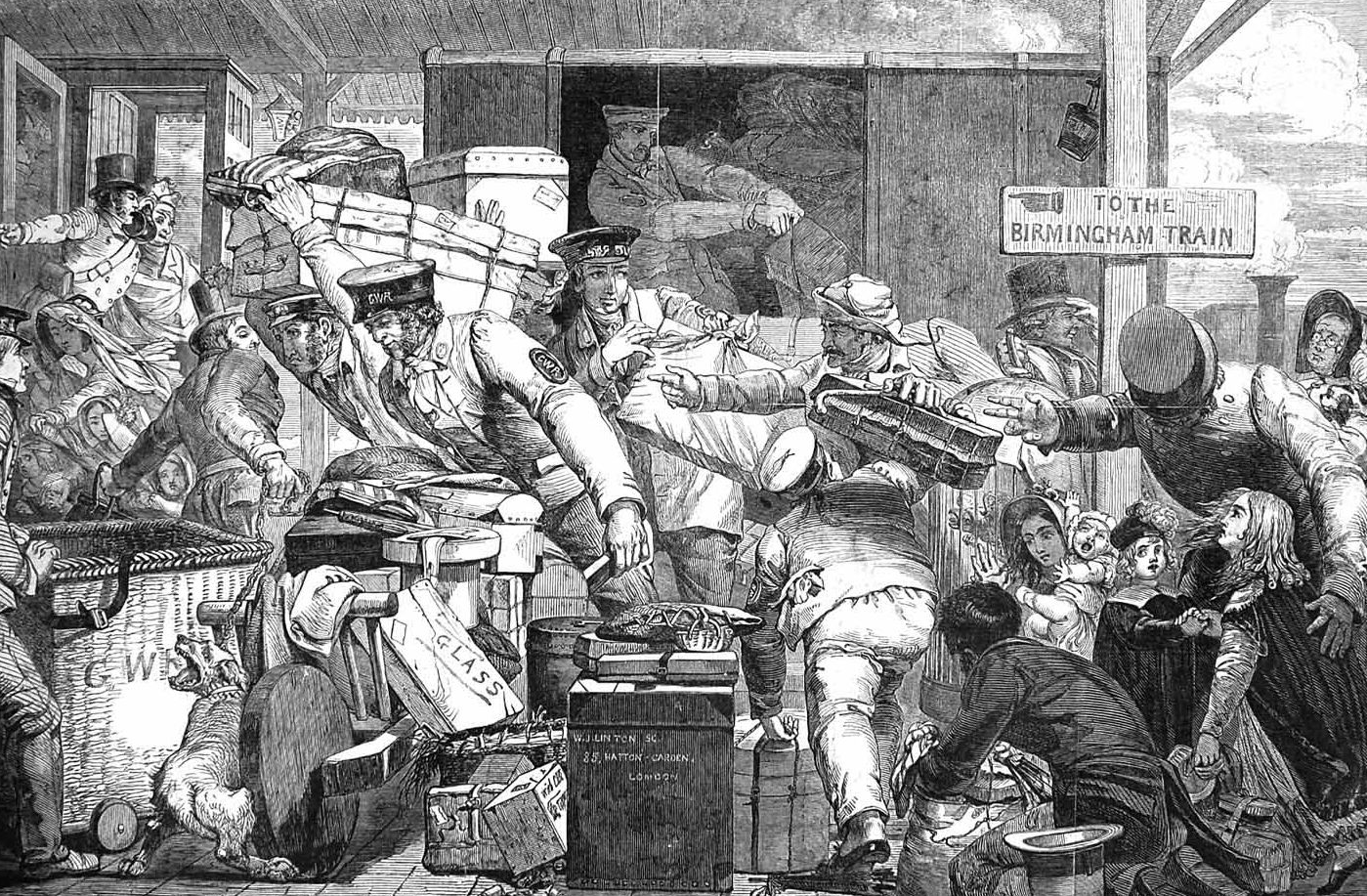
It was a logistics nightmare that proved a timeless business truth: Friction kills network effects. A faster train on disconnected tracks gets you nowhere.
Parliament eventually intervened, mandating the Standard Gauge for everyone. They understood that a platform's value isn't measured by the vehicles running on it—continuity matters more than speed or luxury. If the tracks don't align, you don't have a network.
Right now, the world's fastest-growing sport is suffering from its own break of gauge.
Padel has exploded to 50,000+ courts globally, but the infrastructure is stuck in 1845. A player's rating in Miami means nothing in Austin. The tracks don't connect.

The opportunity is to build the standard gauge, not another booking app. Think "Emerging Sports OS" that standardizes leagues, ratings, and identity across hundreds of fragmented clubs. You become the portable reputation layer that every player carries in their pocket. Once you own the standard, you control the infrastructure everyone else builds on.
The economics look like vertical SaaS heaven: just 50 clubs gets you to $20K–$80K MRR. It's the quiet, profitable business of owning the rails that the entire industry runs on.
Read the full playbook here:
Padel facilities are multiplying faster than operational infrastructure. The ratings and portable identity layer is contested but not yet owned—and it's worth more than the booking system.
From the Vault:

Retailers face $850B in returns annually, yet no Shopify-native tool scores risk pre-fulfillment. Build the underwriting layer merchants desperately need.

Brain function drops 2–4% in stuffy rooms. Biohackers measure it publicly. Coworking operators need verified proof before members start asking questions.


