


In 2001, New York was trying to bring Madison Square Park back to life. The Madison Square Park Conservancy put up its first art installation to pull people in, and Danny Meyer, whose fine-dining restaurant Eleven Madison Park sits right across the street, wanted to help.
His operations guy, Randy Garutti, pitched a hot dog cart.
So a fine-dining restaurant started selling hot dogs (naturally). The cart ran out of Eleven Madison Park's kitchen, and people lined up in the park for three summers straight.
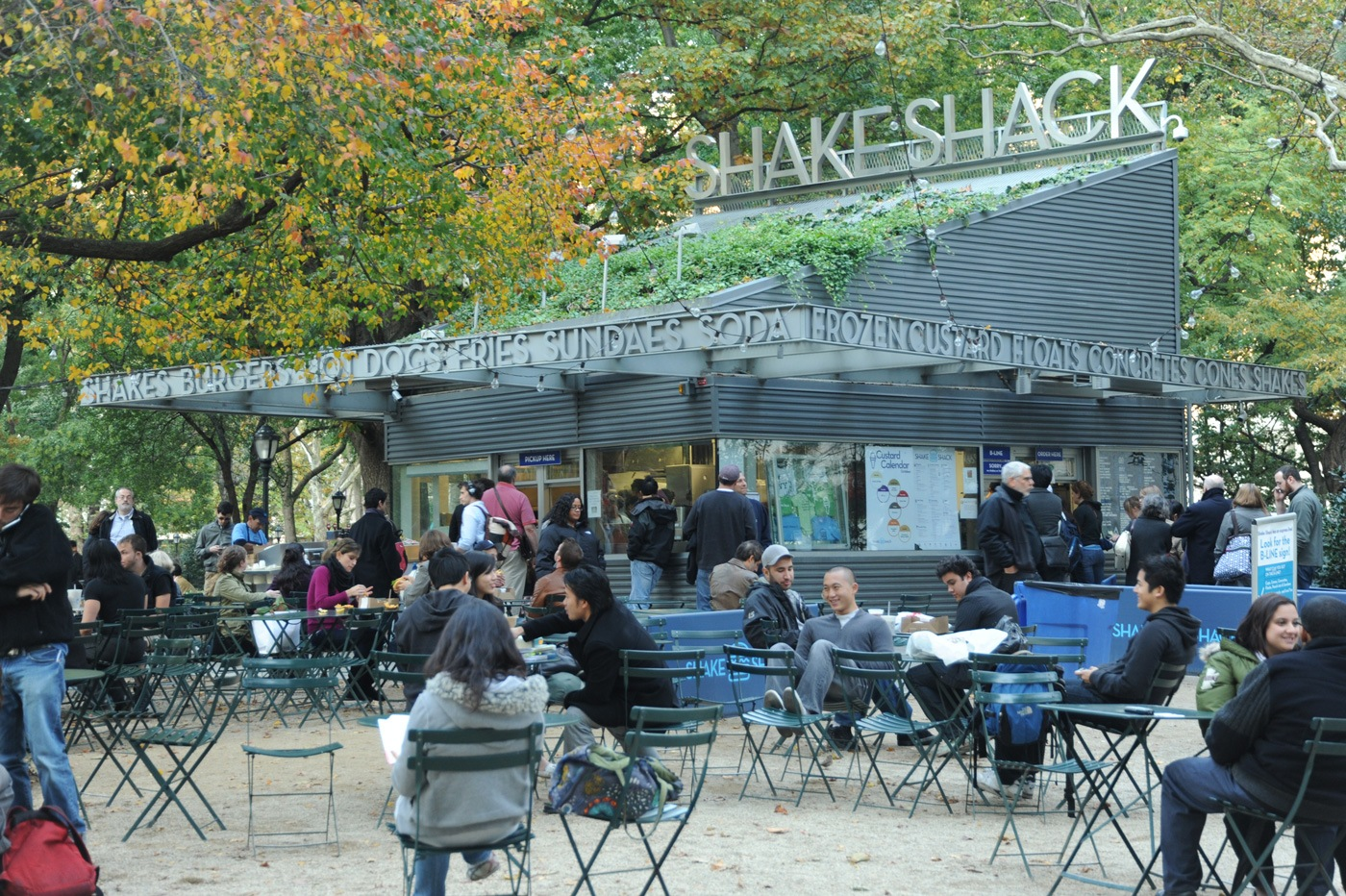
In 2004 Meyer bid on a permanent kiosk in the park, won, and called it Shake Shack. Nobody was planning a chain at the time. Garutti later became CEO, and last year Shake Shack did $1.4 billion in revenue.
Look at what actually left the building, though. The kitchen stayed put with everything heavy and expensive, and only the part that fit on wheels went out to where the people were standing.
Today's small business idea runs that same play for pottery studios, whose problem is the opposite of the park's. Nobody needs luring. The room is just full:
- District Clay Center in D.C. has a waitlist past 175 people.
- Black Hound in South Philly lists 13 fall classes at capacity.
Every name on those lists is revenue walking away.
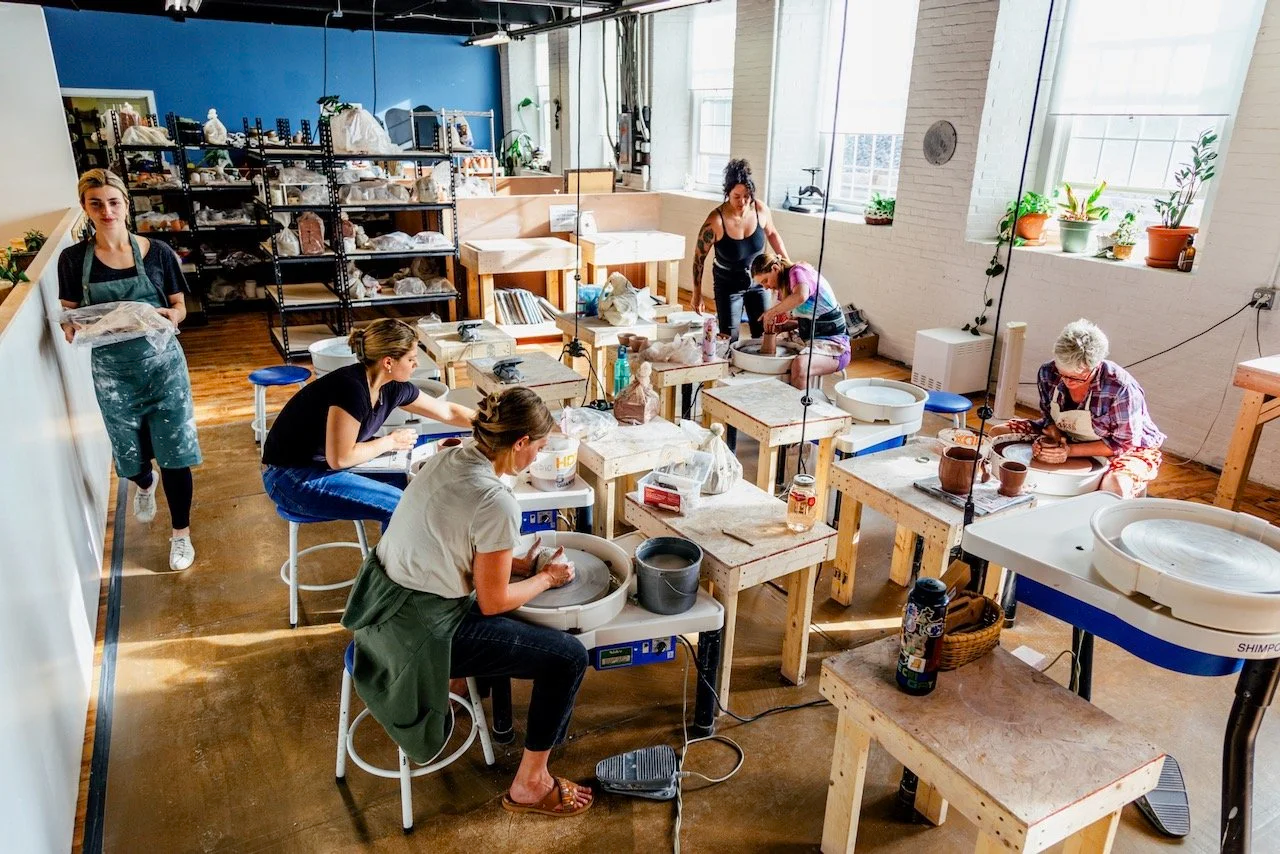
So you become the overflow department. The studio invites its own waitlist to a studio-branded hand-building night at a nearby brewery, taught by its own instructor with its own clay. You handle the venue, the ticketing and the messy logistics. Pieces go back to the studio for firing, and customers pick them up there a few weeks later, which walks them right back through the studio's front door and hands it a second shot at selling them a class.
Brewery clay nights already go for $75 to $105 a seat, so the rule is simple: presell at least 15 seats or the night doesn't run. Twenty events a month at a $300 average fee comes to $6,000 a month, and you never buy a kiln or sign a lease.
Read the full playbook here:
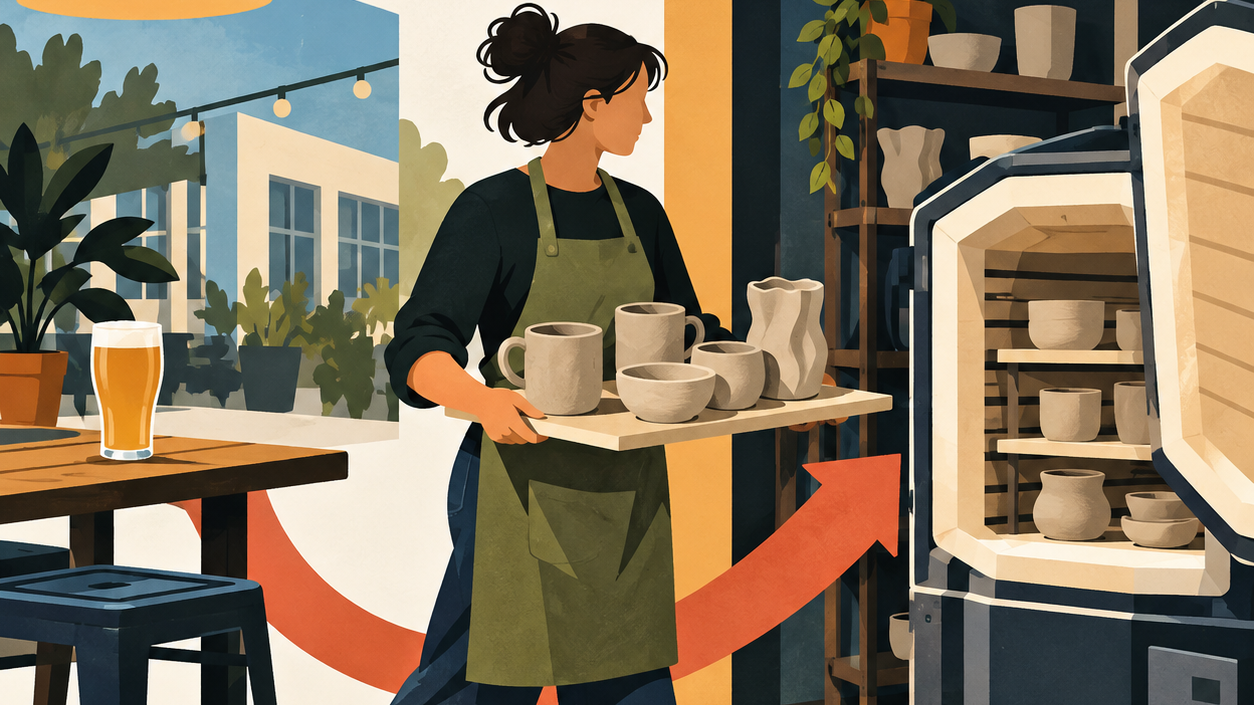
District Clay Center's pottery waitlist runs past 175 people, and few studios can afford a bigger building. Brewery clay nights from $75 a seat show where the overflow can go.
From the Vault:

Section 25F, the new federal school-choice tax credit, launches January 1. Treasury expects $26 billion a year by 2030, routed through SGOs that must prove every dollar.

ReelShort and DramaWave are hunting indie romance novels for vertical drama. The studio that scores, clears and packages Kindle backlists owns the gap between authors and buyers.


