


In 1992 American offices had a problem nobody could name. Companies wanted to loosen the suit-and-tie rule, and the second they did, everyone panicked. What counts as casual. Are jeans in. HR had no answer, because there wasn't one.
Levi's had an answer, and a warehouse full of khakis.
The company printed an eight-page pamphlet called A Guide to Casual Businesswear and mailed it to roughly 25,000 HR managers. Photos of professionals in button-downs, loafers, and Dockers. It read like a policy document, free, landing on the desk of the exact person who had to write the policy.
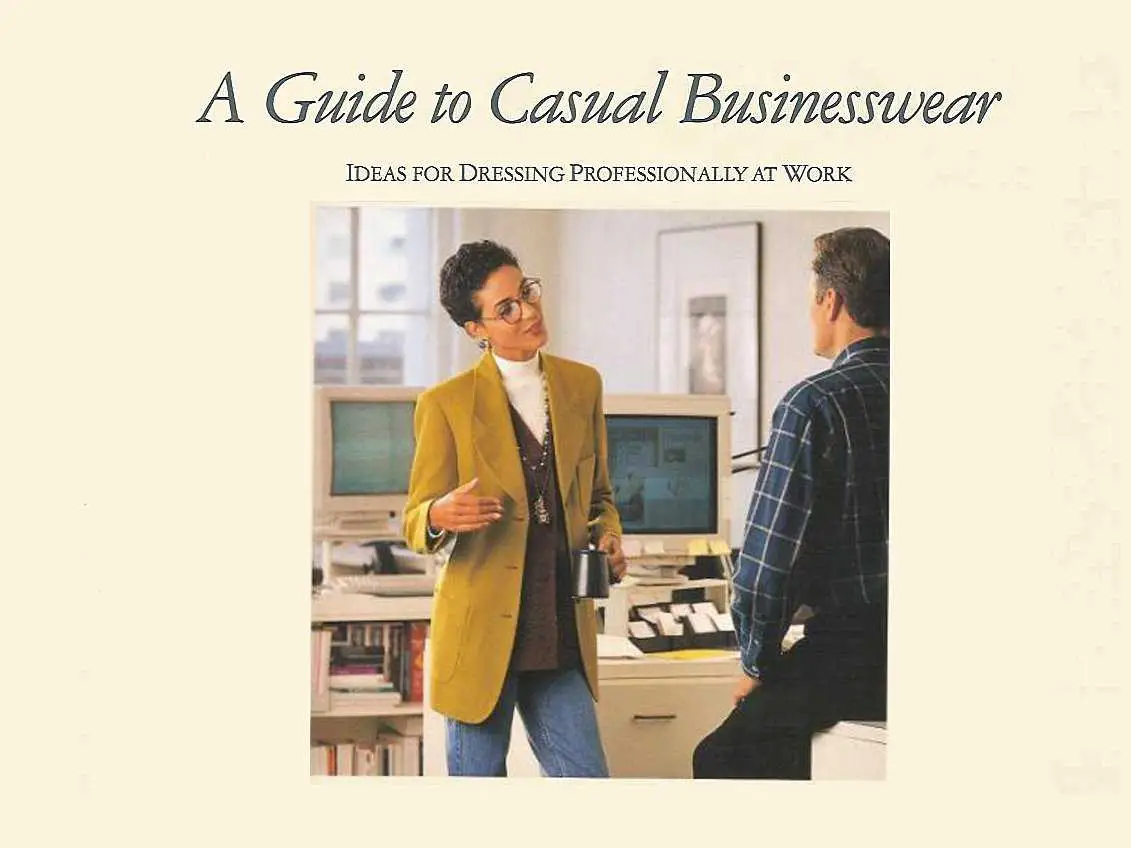
In 1992 about 66% of U.S. companies allowed casual dress. By 1995, roughly 90%.
A pants company wrote the rules, then sold the pants that complied. Every "business casual" line in every handbook you've ever worked under traces back, more or less, to a khaki brochure. (Somewhere a Dockers marketer is still dining out on this.)
Weddings are stuck in the same fog right now, and nobody's selling the guide. Couples have ditched "cocktail attire" for private themes: "Hollywood Western," "Catskills chic," whatever one particular couple means by "Palm Beach chic," posted as a mood board on the wedding website. The Knot puts the average wedding at 117 guests. One ambiguous instruction, 117 interpretations, and every one of those interpretations eventually lands in the planner's inbox.

Today's idea sells planners the answer. A white-labeled dress code concierge that turns the couple's mood board into plain-English rules, a shopping board across budget tiers, and a "not sure, ask" button that fields guest questions before they reach the planner. At $750 to $2,000 a wedding it disappears inside full-service planning that already averages $5,500. Forty planners running ten weddings a year at $1,000 each is $33K a month.
Read the full playbook here:
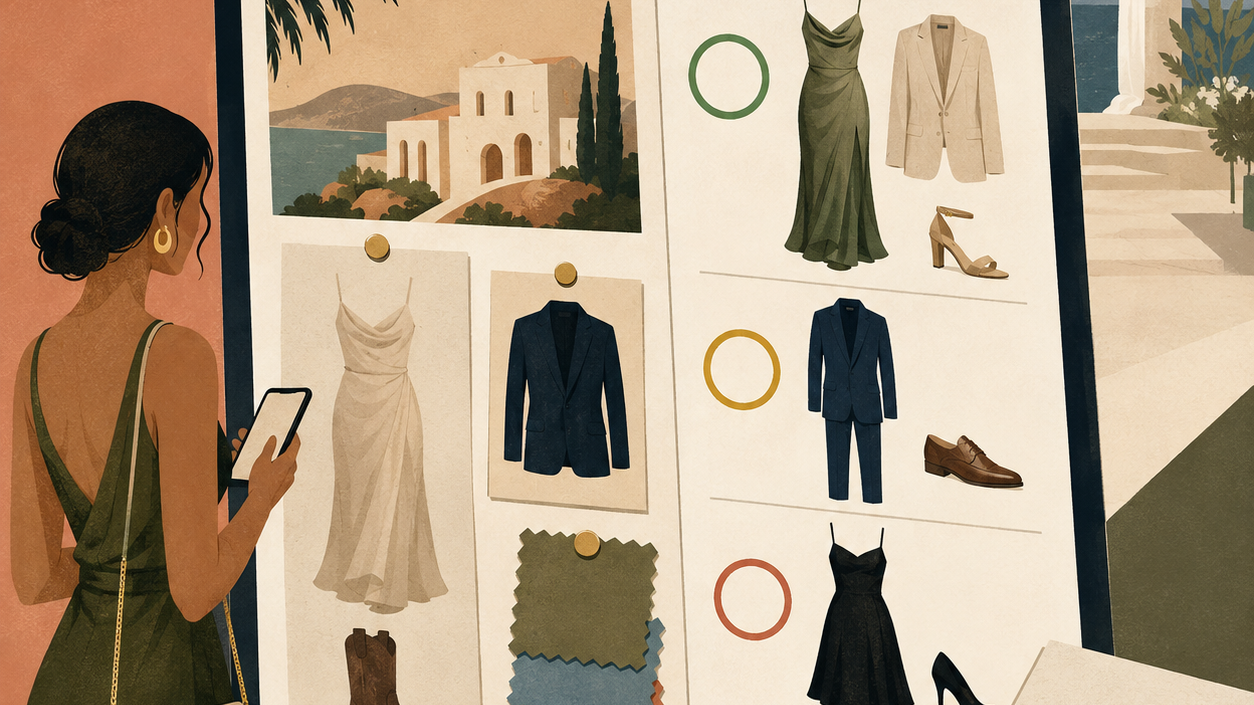
Couples now invent private wedding dress codes, and luxury planners absorb the guest questions. Destination weddings turned a fashion trend into a support queue somebody can charge to own.
From the Vault:
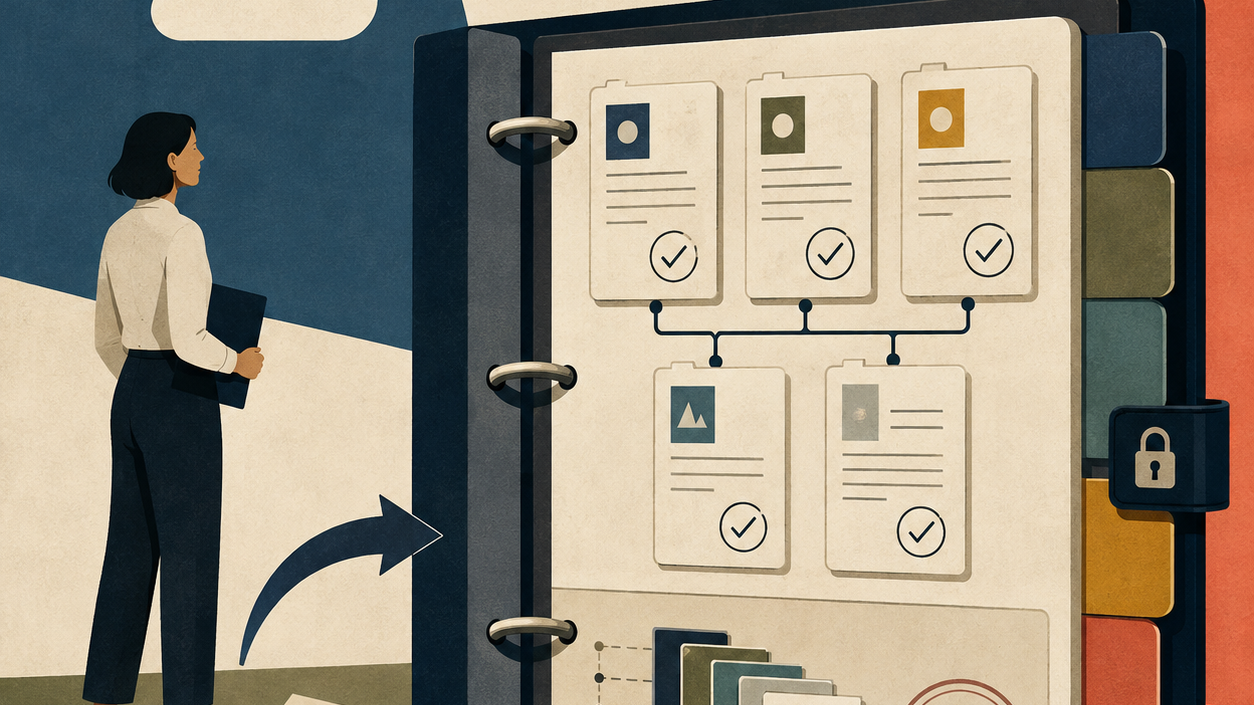
The UK's G-Cloud 15 framework made Cyber Essentials mandatory for 4,233 cloud suppliers, with annual renewal and suspension as the penalty. The compliance paperwork now never stops.
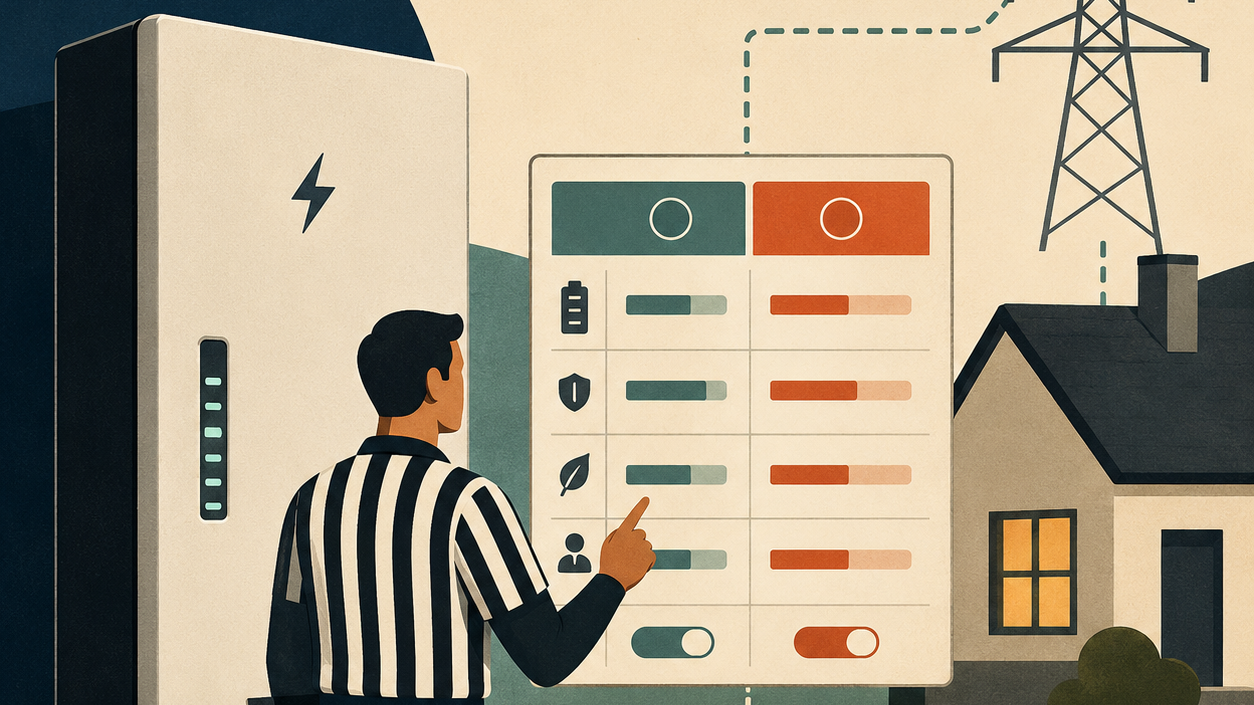
Base Power raised $1 billion at a $13 billion valuation. Virtual power plant contracts now bundle free batteries with electricity supply, and nobody is underwriting the deal homeowners sign.


