


On March 20, 2009, Google's top visual designer quit and blogged the reason. Doug Bowman had watched a team that couldn't pick between two blues decide to test 41 shades in between and let the clicks settle it. He'd also just lost an argument over whether a border should be 3, 4, or 5 pixels wide, and been asked to prove his case. "I can't operate in an environment like that."
Most of us would've walked too.
Five years later Dan Cobley, who ran Google UK, explained what all those blues were for. The ad links in Gmail and the ad links in search were slightly different shades, so Google showed 1% of users one blue, another 1% the next, across every shade it could think of. A slightly purpler blue got more clicks than a slightly greener one.
The purpler blue was worth an extra $200 million a year.
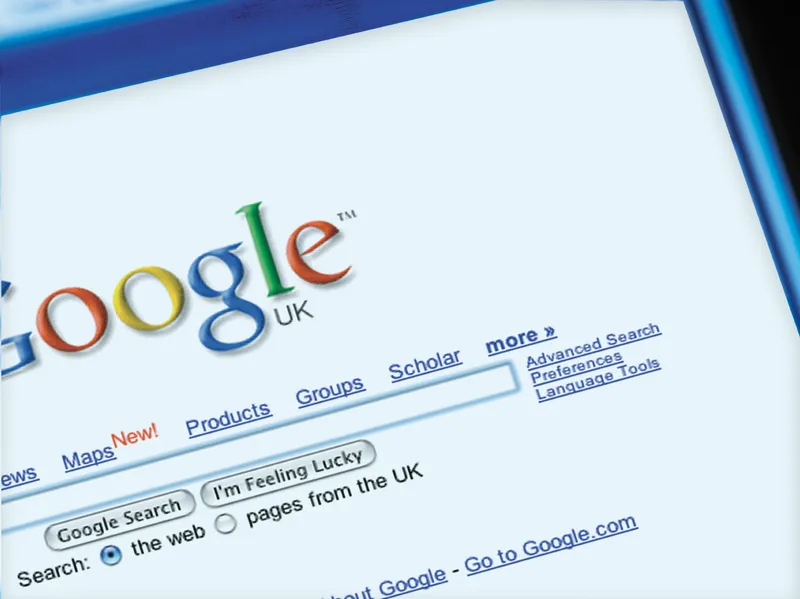
So Bowman had the question right and the stakes wrong. Forty-one shades is one variable, moved 41 times, with everything else nailed down, and that turns out to be the only kind of question a test answers cleanly.
Now watch a $5 million Shopify brand ask its version. Someone exports 8,000 reviews, asks ChatGPT for themes, writes three headlines, and ships whichever wins the A/B test. The winner was shorter, more emotional, more specific, and more premium-sounding than the other two. Which of those won? Nobody knows, and the brand is spending $300,000 a month on Meta off that answer.
Today's idea sells the 41-shades discipline to brands with no research department. Take the reviews a brand already owns, map the handful of dimensions customers use to describe the category (craft vs. convenience, ritual vs. speed), generate claim variants that move one dial at a time with everything else matched, and test them on a 100-person Prolific panel for about $143. A Cornell team published the method in the Journal of Marketing Research in September. Start as a $2,000 sprint for specialty coffee brands and CRO agencies; twenty sprints plus a handful of $399 and $999 subscriptions gets you to about $9,000 MRR, with a path to $20K to $40K.
Read the full playbook here:
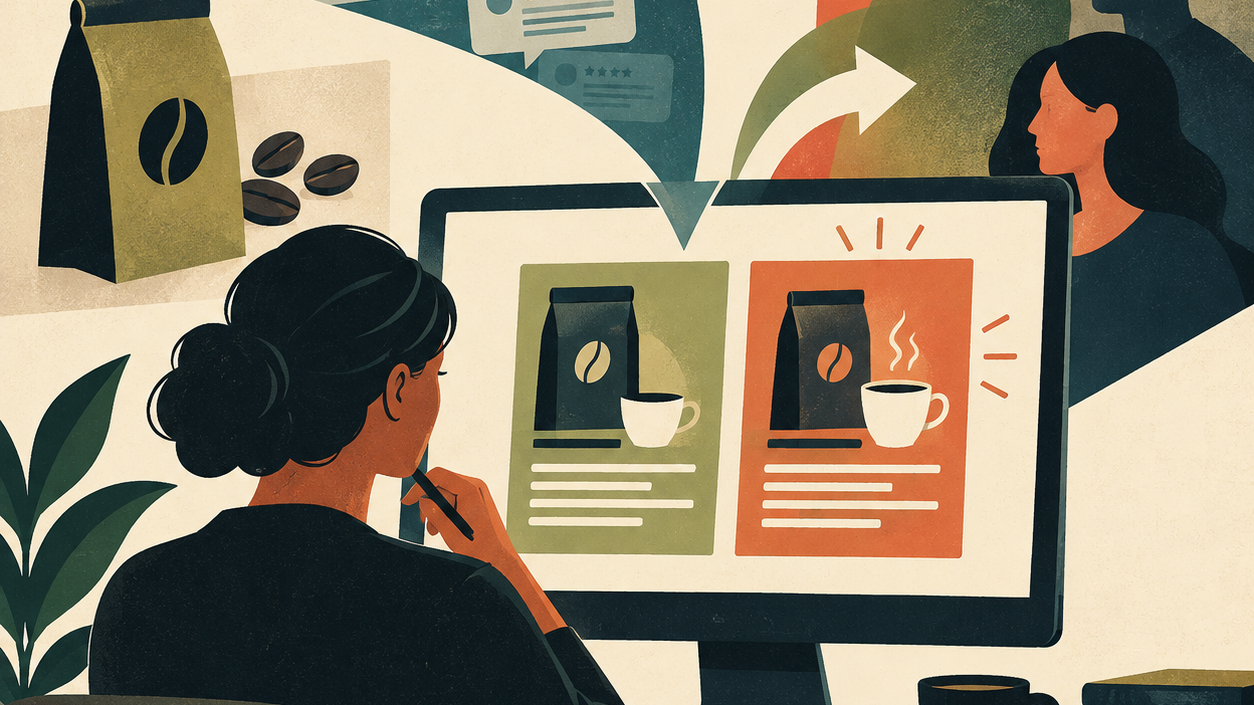
A Cornell method for isolating one language dimension at a time, cheap Prolific and PickFu panels, and Shopify brands running $300K Meta budgets off confounded headline tests.
From the Vault:
California's SB 947 would require employers to prove a human corroborated any AI-recommended firing. Governance dashboards, bias auditors, and HR systems all miss the evidence window in between.
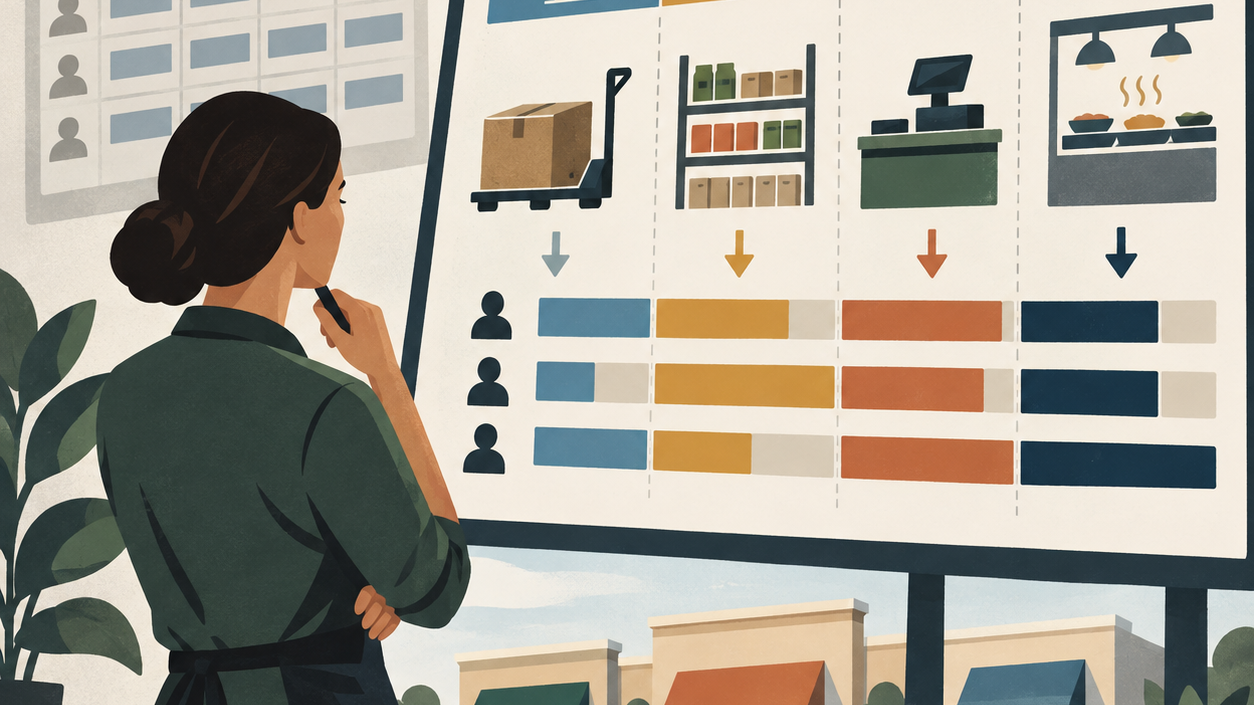
FamilyMart is re-engineering labor across 16,500 stores from predicted demand. Multi-location grocers and pet retailers on Square still schedule by habit. A Square-first labor planning layer fits between them.


