


Over the July 4 weekend in 2025, Kelly Rogers and her husband rented a Hertz minivan at Atlanta's airport for a family wedding in Birmingham, Alabama.
When they brought it back, they walked around it and saw nothing. Neither did the Hertz employee.
Then, after they'd cleared airport security, the app pinged with news of a dent in the passenger-side front door.
The bill came to $80 for the dent plus $115 in fees for "processing" the claim and to "detect and estimate the damage" (so you also pay for the finding). Pay within a day and Hertz would knock it down to $130.
Rogers' review of the dent: it "could have been a shadow." Hertz reviewed the incident and confirmed a new dent.
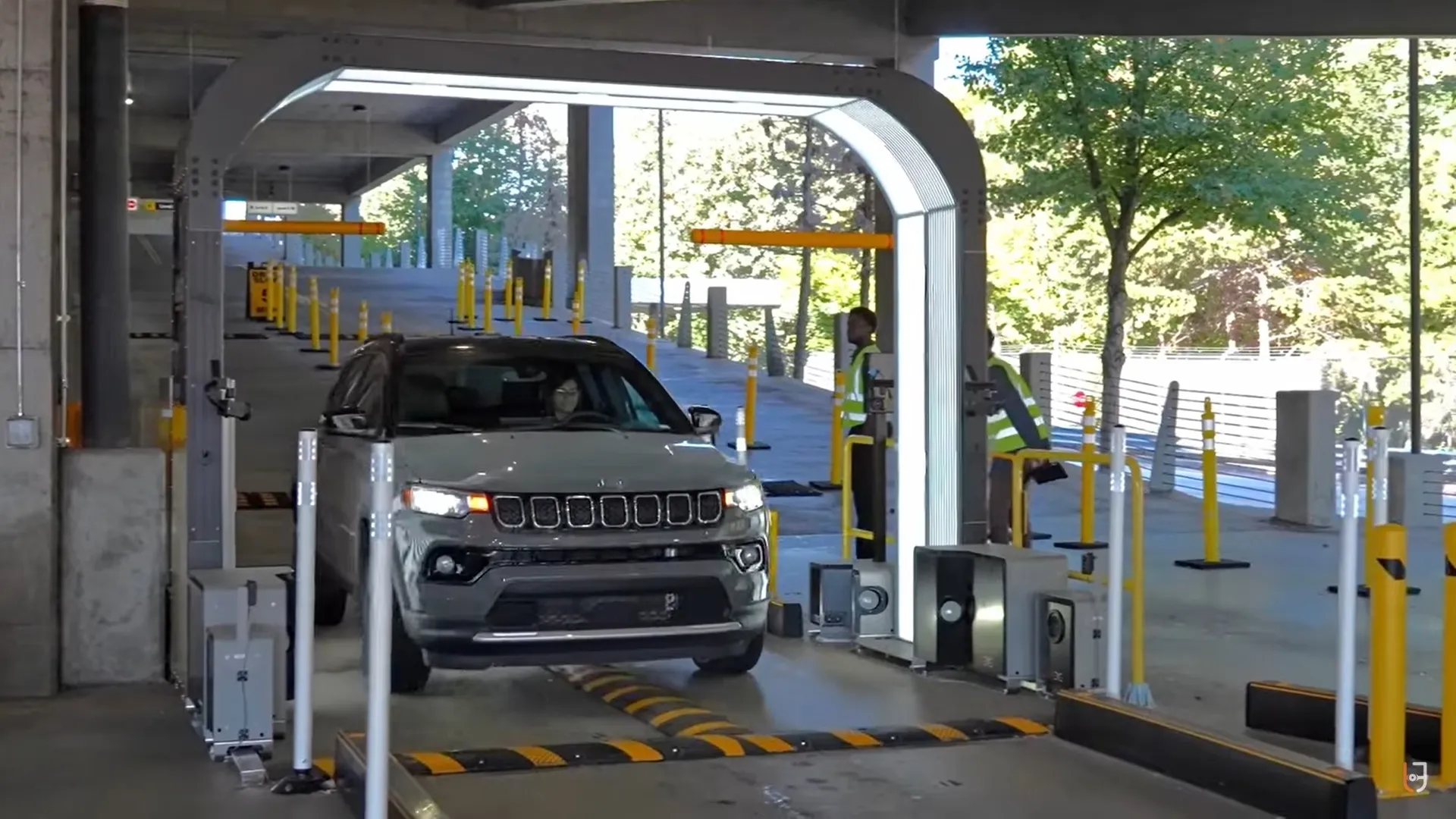
The thing that found it was an AI scanner from a company called UVeye, sitting at Hertz's airport lot gates. It photographs cars at pickup and return, flags anything that changed, and sends the damage report on its own. A human looks only if you dispute the bill. Adam Foley tried that with his $350 charge for two dents and got "an automated AI chat experience that does not break to go to a human interaction."
So it came down to Hertz's before-and-after photos against the Rogerses' memory of a walkaround. Which would you bet on?
Renters are about to get the same matchup with their landlords. California now makes landlords photograph a unit after the tenant moves out and, for tenancies starting on or after July 1, 2025, at move-in too. That hands the landlord a folder for the deposit fight while the tenant is scrolling for one proof photo buried among 8,000 others on a phone.
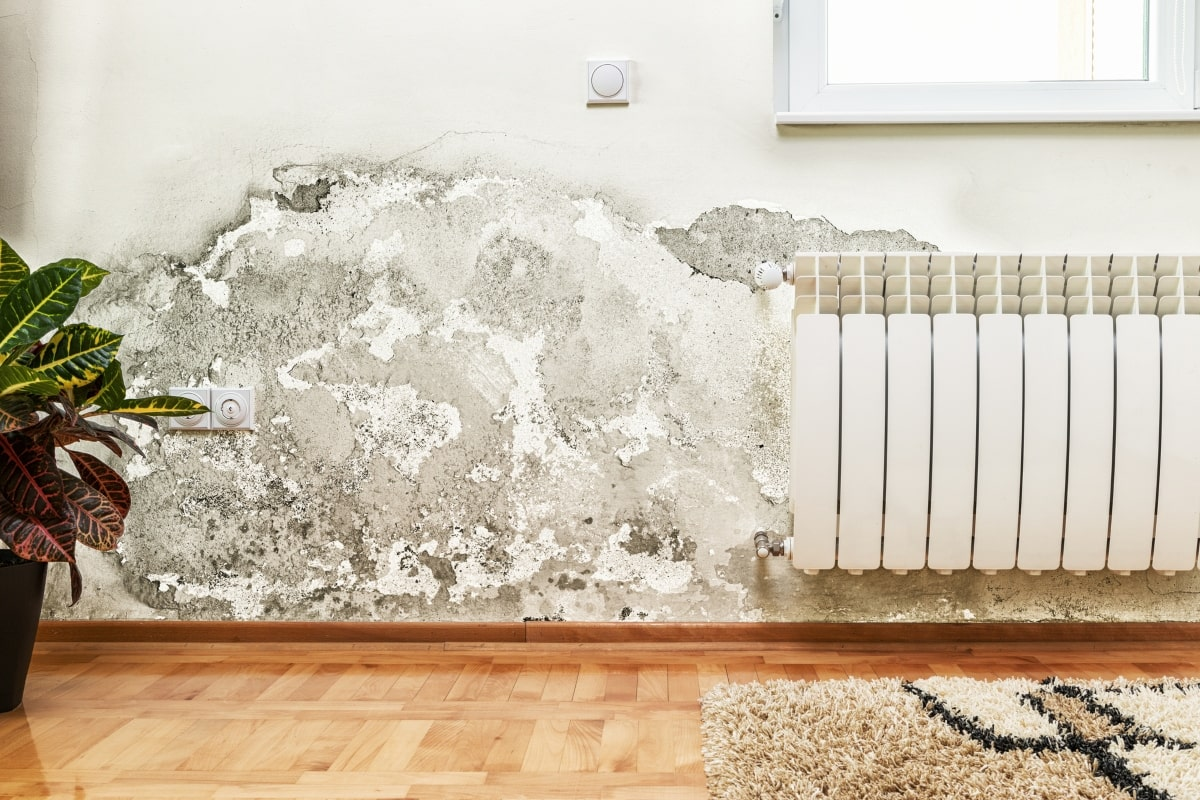
Today's idea is the renter's half of that folder: a $19 move-in condition report. It walks you room by room, keeps the original photos with tamper-evident fingerprints, has you review the AI-drafted descriptions, sends the report to the landlord with a logged delivery trail, and pulls everything back up for a side-by-side at move-out. Call it roughly 10 million rental moves a year; a 0.1% share is about 833 sales a month, at around $11 of contribution each. Cheap apps for this already exist and none of them has won, so this startup idea is a distribution play: relocation firms and campus housing offices that know exactly when renters get their keys.
Read the full playbook here:
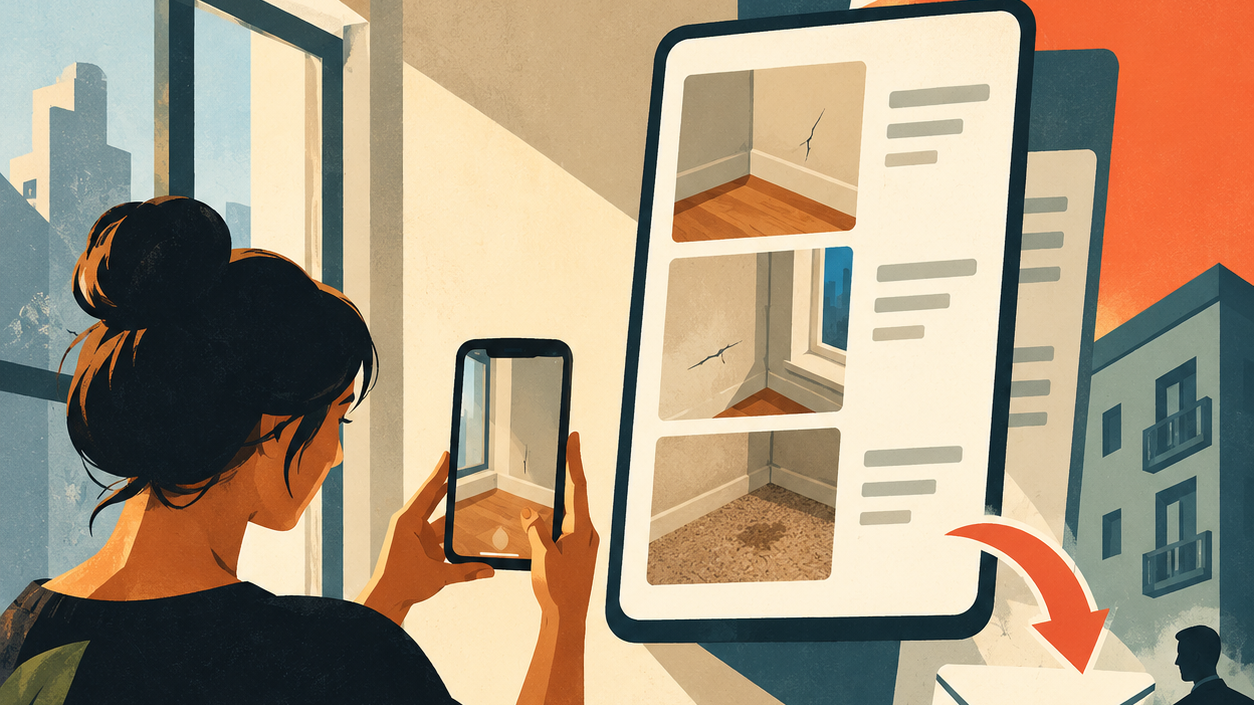
California now makes landlords photograph rentals at move-in and move-out. Renters still lack their own security deposit record, and the inspection apps chasing them have features but no winner.
From the Vault:
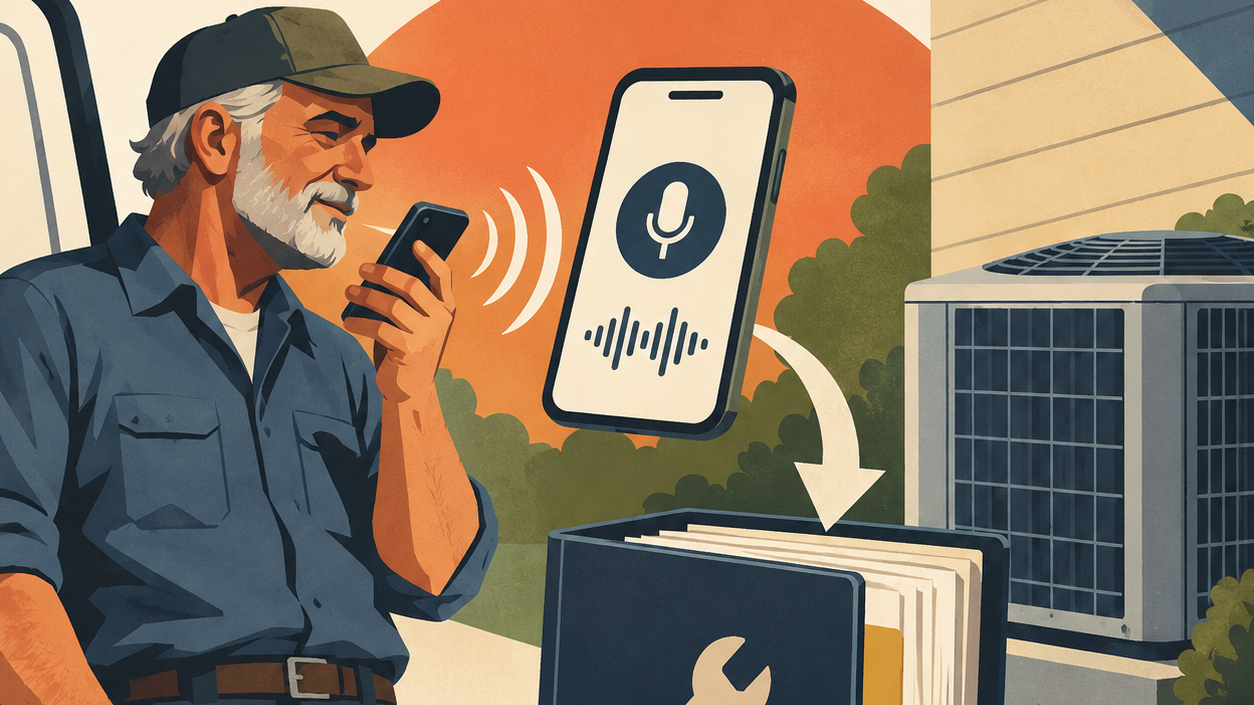
Private equity roll-ups and Main Street buyers are snapping up HVAC and plumbing businesses, yet the owner's unwritten operating knowledge doesn't come with the keys. A fixed-scope handover service can capture it before closing.
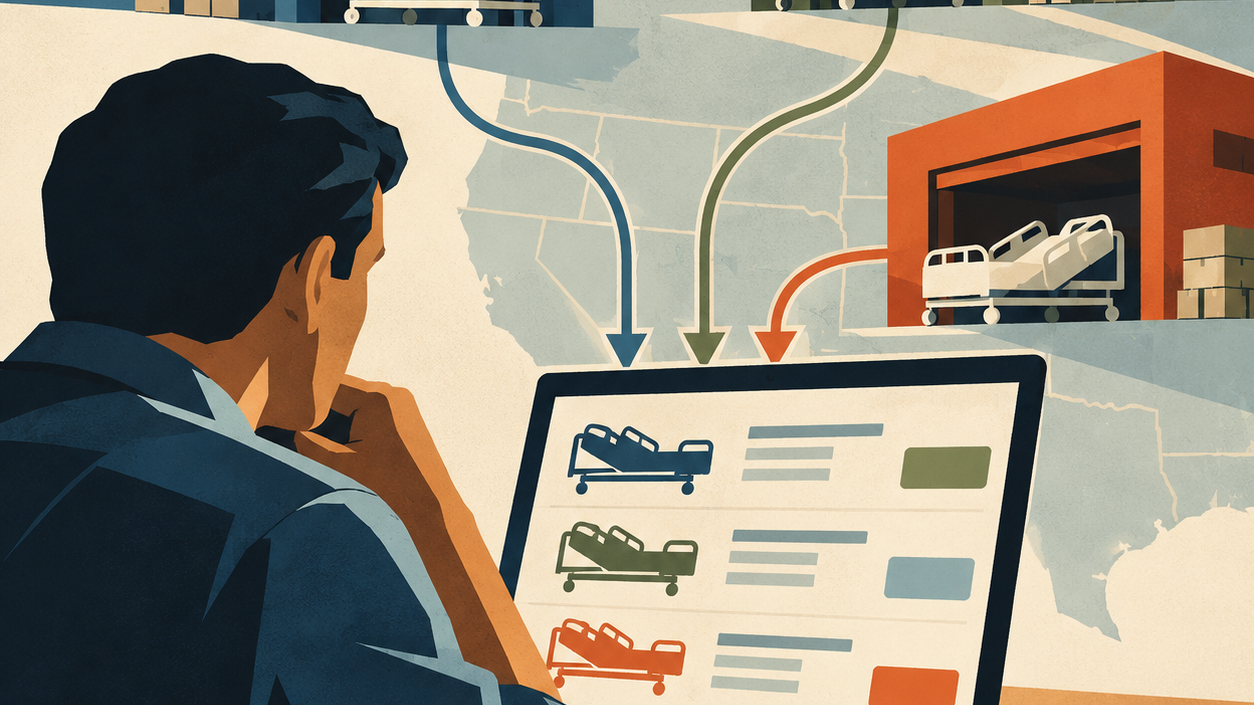
Medline is exiting hospital beds after a 771,127-unit Class I recall, and importers are quoting 10 to 12 weeks. For HME dealers, certainty is now worth paying for.


