


In 1986, Domino's started promising every pizza in 30 minutes or it was free. Sales climbed, market share climbed, and the brand became synonymous with speed.
It also turned every delivery driver into a stopwatch operator. Teenagers in beat-up hatchbacks ran red lights to keep the streak alive, and by 1990 the company was facing more than 200 lawsuits and a confirmed body count north of twenty. In December 1993, a Missouri jury awarded a woman who'd been hit in a parking lot by a speeding teenage driver $750,000 in actual damages plus $78 million in punitive ones. Within days, Tom Monaghan killed the guarantee and told the press the company had heard the message "loud and clear."
Monaghan made the promise from a corner office. The kids in the hatchbacks paid for it on the road.
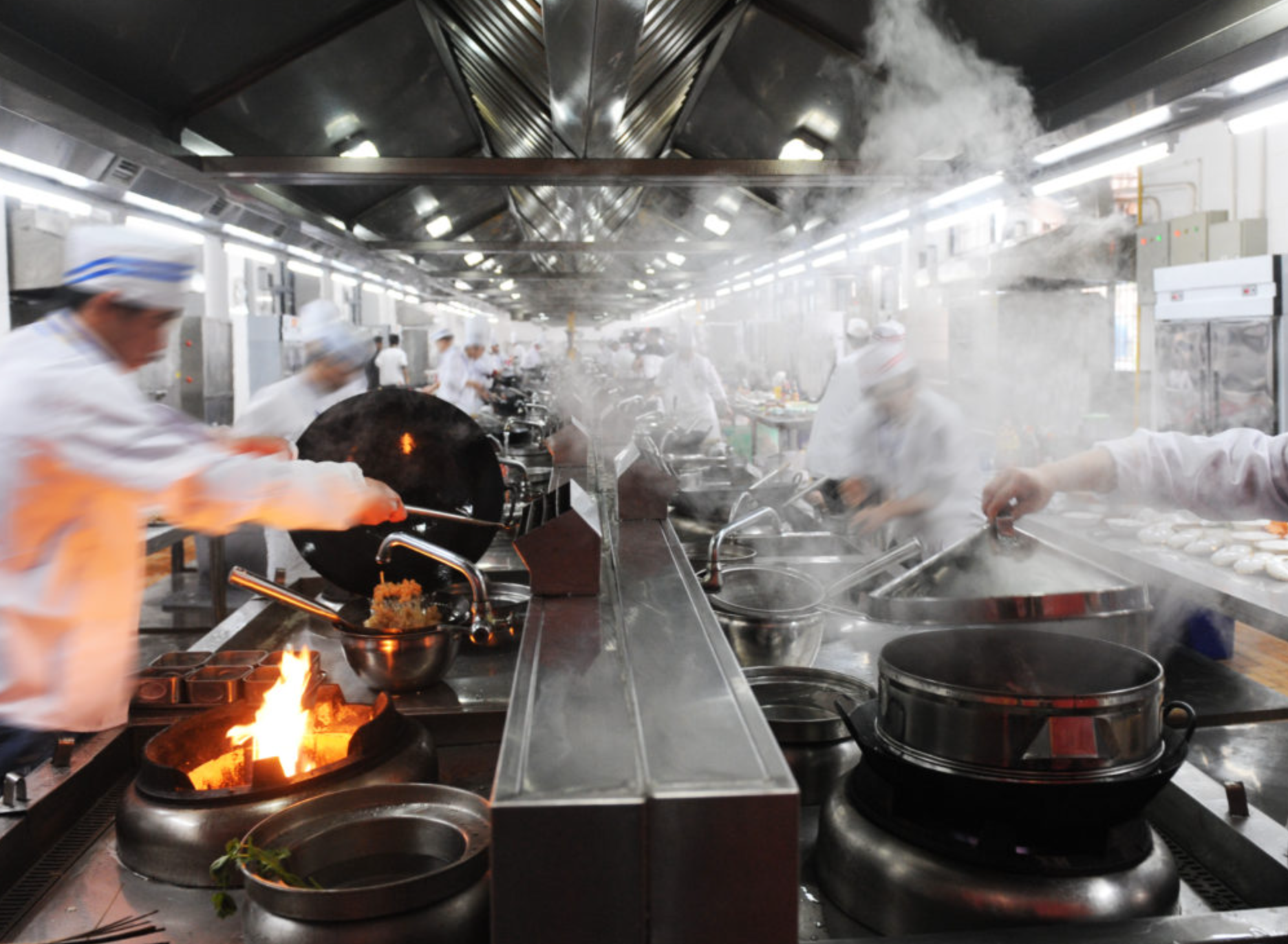
That same dynamic is back, this time in software. The promise time on a DoorDash pickup screen was never agreed to by the line cook standing two feet from the fryer. It was generated by an algorithm that has never spent a Friday night in the weeds.
Today's idea is a kitchen overload control layer for indie restaurants. Call it the Kitchen Emergency Brake. One iPad-friendly screen by the expo line, three preset modes:
- Yellow Rush extends prep times across every channel
- Red Rush pauses third-party marketplaces for 20 minutes
- Blackout pauses everything off-premise for 30
Plus auto-reopen, so the manager who hits pause on DoorDash at 7 PM doesn't forget to flip it back on at midnight. The forgetting is where the money is. Industry data shows the average operator loses 3.5 hours of marketplace availability per month to that exact mistake, and the badly run shops lose closer to 58. Pricing runs $29 to $149 per location. The big chain vendors (Tillster, Olo, Curbit) are already shipping this for enterprise. The two-location burger shop has nothing. 500 locations clears about $30K MRR. 2,000 clears $118K.
Read the full playbook here:
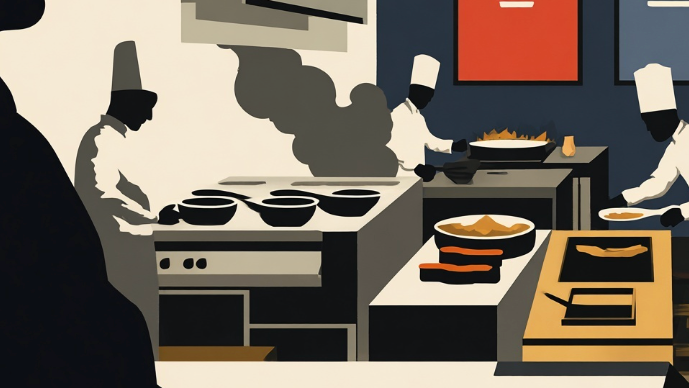
Independent restaurants stack DoorDash, Uber Eats, Grubhub, and first-party ordering — then lose control of the kitchen. The gap is a vertical SaaS play for off-premise demand management.
From the Vault:
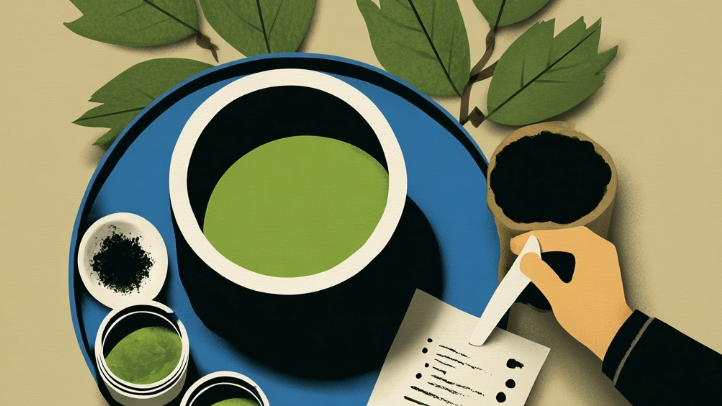
Japanese matcha supply is structurally broken — harvest cycles can't match viral demand. The opening is a verified B2B importer for specialty cafes that need stable supply, traceable lots, and margin they can price around.
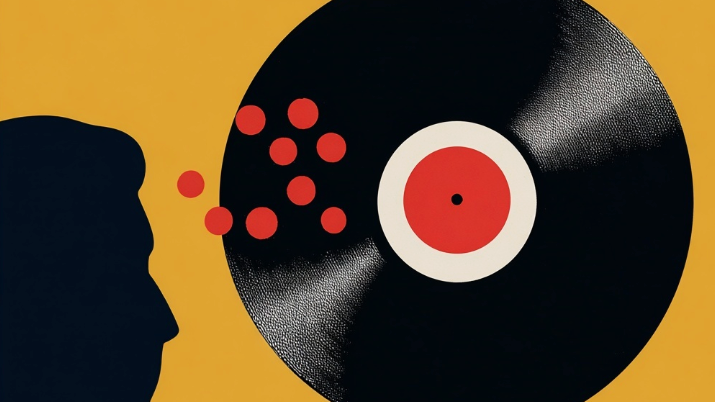
U.S. vinyl hit $1 billion in 2025 and indie creators still can't run a professional limited drop without operating like a record label. That's the gap.


