


Keiji Kojima ran a souvenir wholesale shop near Tokyo. By 2019, his shelves were stacked with 5,500 licensed products: Olympic chopsticks, Olympic umbrellas, stuffed Miraitowa mascots going for almost two hundred bucks apiece. Tokyo's official goal was $100 million in merchandise sales. Every shop owner in his prefecture saw the same windfall coming.
Then the games happened without fans. Foreign spectators were banned in March 2021, domestic in July. By the time the closing ceremony aired, the mall shops sat mostly empty, shelves still loaded with mascots nobody was flying in to buy. Economists later pegged the local hospitality hit at roughly $1 billion.
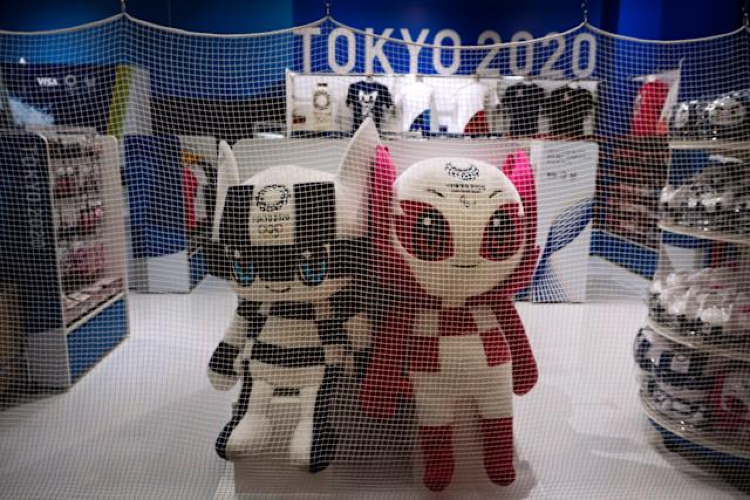
Kojima didn't lose money because the Olympics were small. He lost money because he trusted the official story, and the official story was a tourism brochure that had nothing to do with what was happening on his block.
That same fault line is opening again. The 2026 World Cup is the biggest tournament in history: 48 teams, 104 matches, 16 cities, 39 days. And the American Hotel & Lodging Association is already reporting 80% of host-city hoteliers tracking below their World Cup forecast. Boston, Philly, San Francisco, Seattle, Kansas City. "Non-event" is the word operators are using. Boom on the brochure, quiet on the street. Meanwhile the bar owner two blocks from MetLife is staring at a Wednesday match between two countries she can't pronounce, trying to figure out if she should call in two extra bartenders or send everyone home at 9.
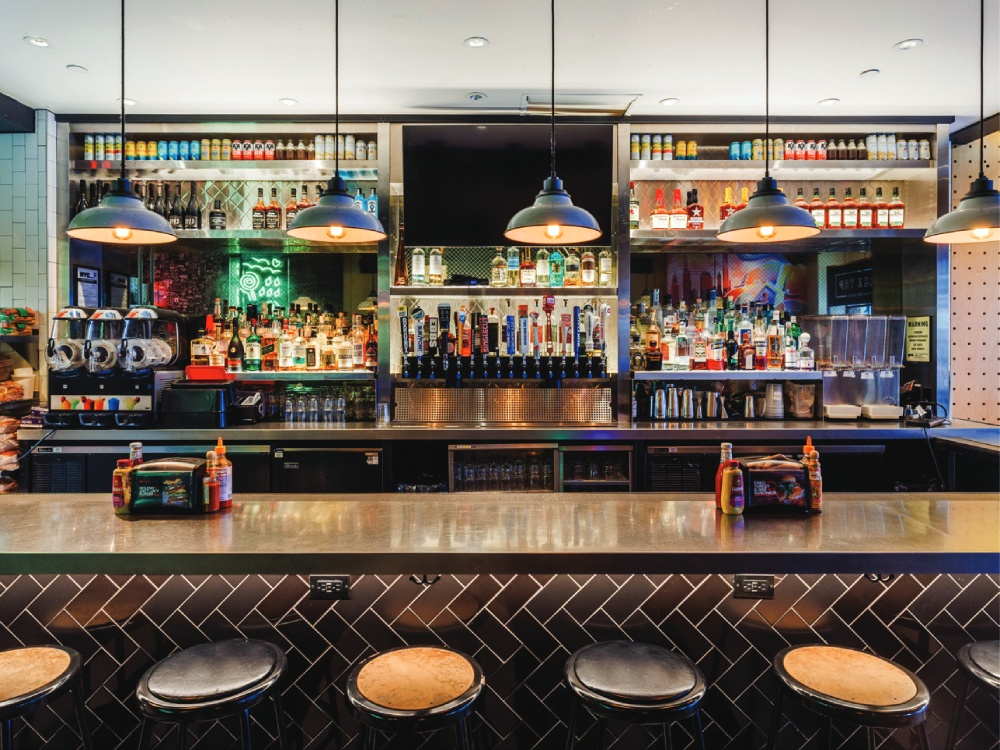
Today's idea sells her the answer. A 30-day, $99 daily ops brief delivered by WhatsApp or SMS to bars, taco shops, food trucks, and parking lots inside walking distance of fan zones, transit corridors, and watch-party districts. Every morning at 7 a.m.: kickoff times, foot-traffic forecasts, transit closures, weather, staffing nudges, promo-of-the-day, printable signs. We sell her the hour she doesn't have, 39 days in a row. A solo founder in one market clears ~$16K in five weeks. Strong execution clears $100K+.
Read the full playbook here:
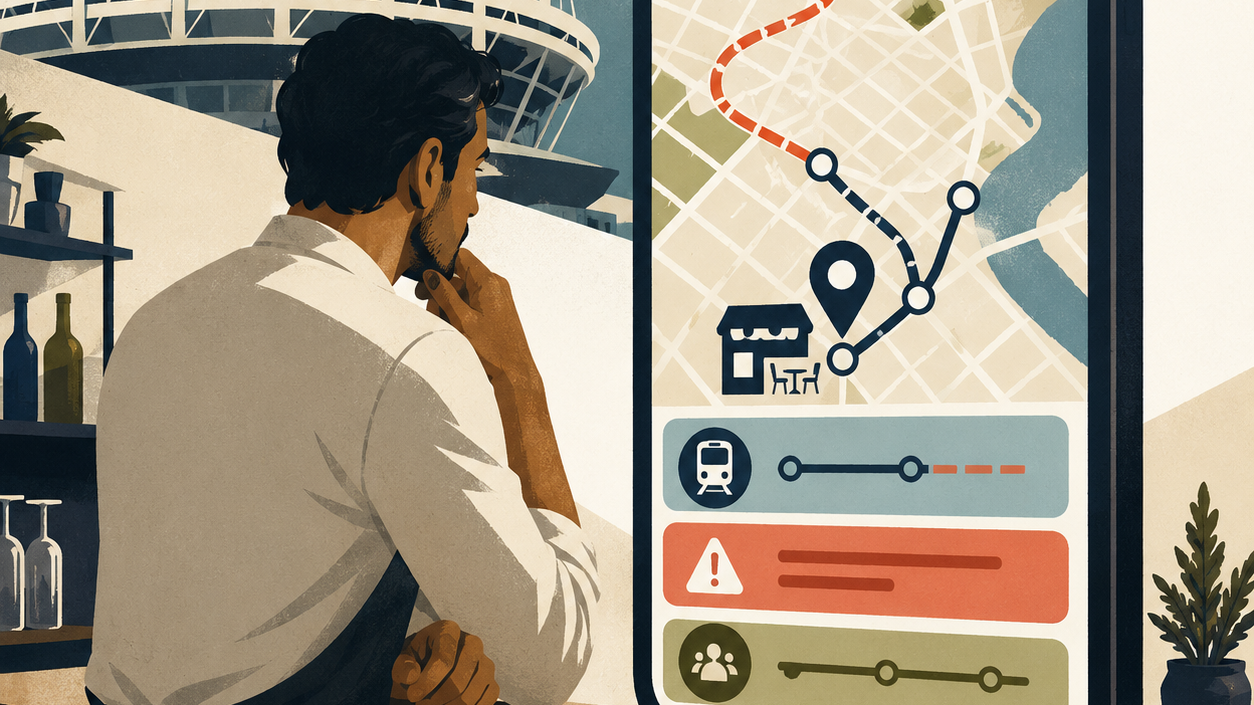
The World Cup won't hit every neighborhood evenly. Local hospitality operators near fan zones need daily operating intelligence — and nobody is selling it in a usable format.
From the Vault:
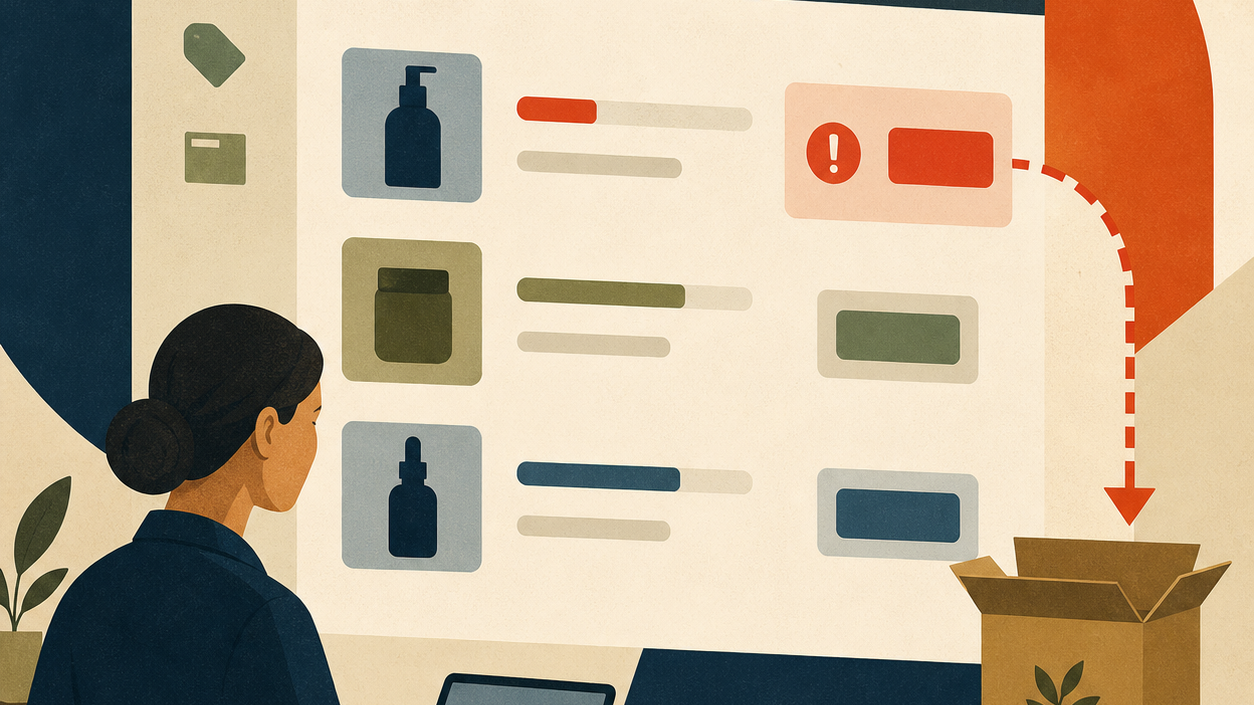
Shopify's GraphQL migration opened a gap in the $49–$99 micro-brand tier. 53% of Shopify products stock out, and the credible incumbent just priced itself out of the space.

TikTok Shop hit $15.82 billion in U.S. sales in 2025. Millions of heritage and diaspora brands have the products and the story — but none of the commerce machinery.


