


A Standard Oil man named Joseph Babcock got posted to Suzhou in 1912 and came home with a Chinese tile game almost no American could play. So he cut the rules down, stamped Arabic numerals on the tiles so Westerners could read them, and wrote the slim rulebook everybody called the Red Book. Abercrombie & Fitch started selling sets in 1920.
By 1923 it was a full mania. Department stores couldn't keep tiles on the shelf. The Chinese workshops carving the sets ran out of bone and started importing it from American stockyards, so cattle bone from the Midwest sailed to China, got carved into tiles, and sailed back to card tables in American living rooms.
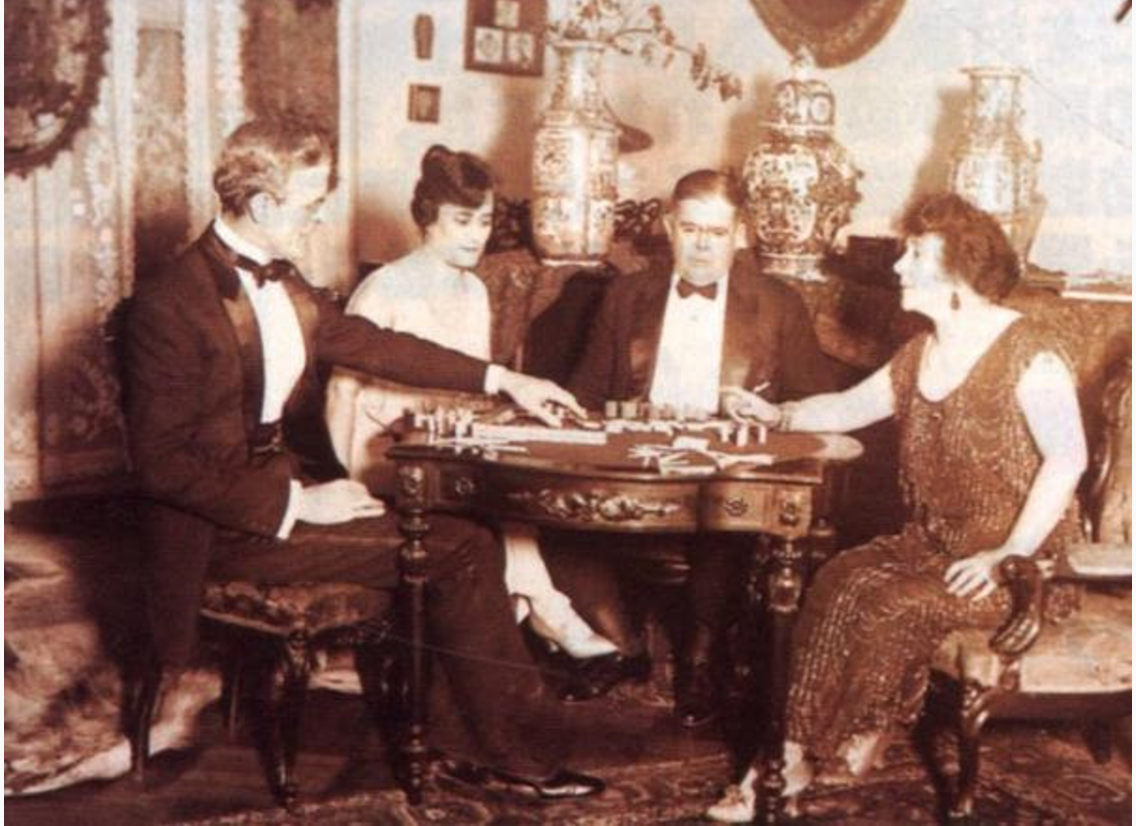
Then it stopped, about as fast as it started, and importers were left sitting on warehouses of sets nobody wanted. The game was fine. Everybody had bought tiles and nobody had a table to play at.
That got fixed in 1937, when around 400 women met at the Essex House in Manhattan to settle what the rules actually were. Thirty-two of them chartered the National Mah Jongg League, which has printed an official card almost every year since. It's got over 350,000 members now.
Same gap is open again, one town at a time. Google has "mahjong lessons near me" up 105% since January. Yelp clocked mahjong club searches up 4,467% year over year. The players are showing up and in most metros nobody's running the room.
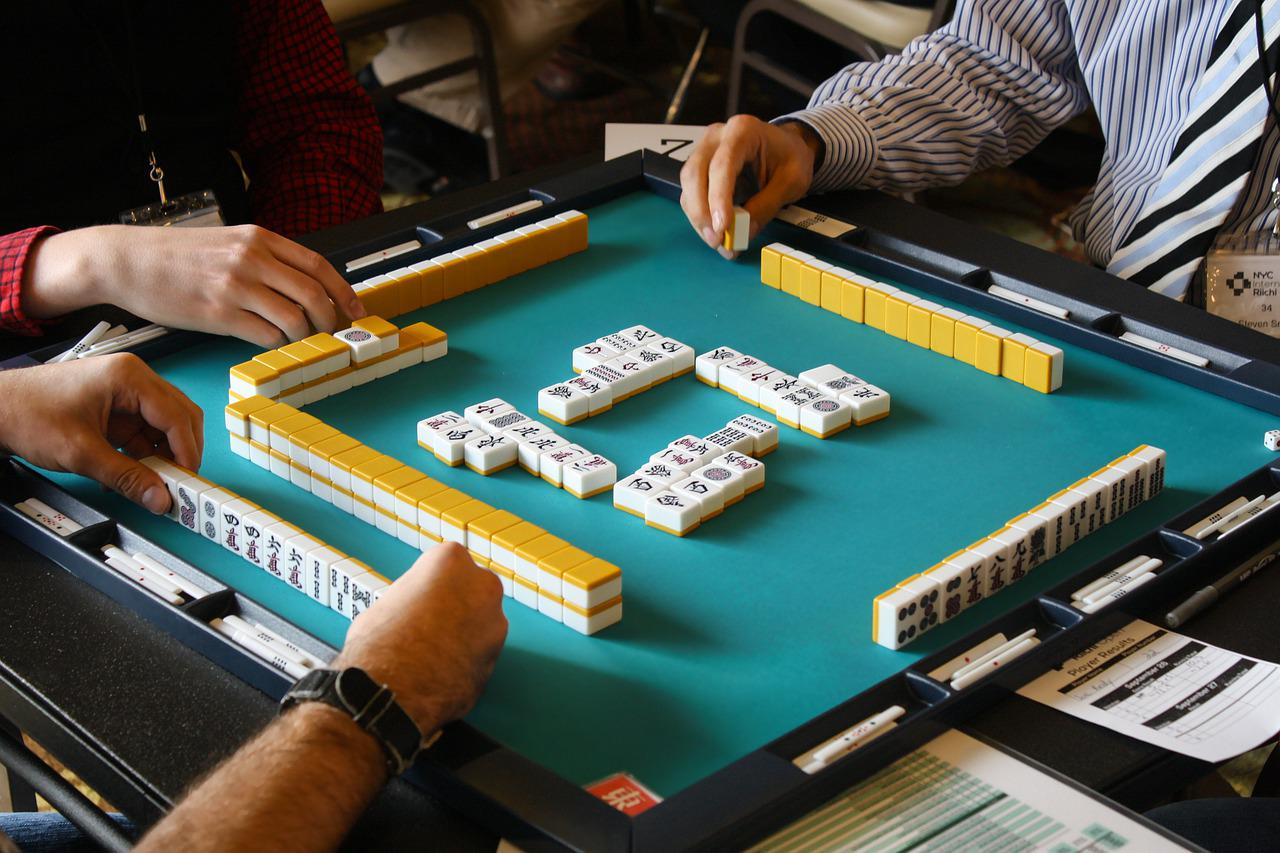
Today's idea is a local business built on that gap: four-week American Mahjong beginner cohorts at $129 to $149 a seat, run inside bars, cafés and hotels sitting dead on a Tuesday night, where the venue hands you the room free and keeps all the food and drink. Every graduate then converts into a recurring $15 to $20 table. Sounds like a hobby until you look at the number: one well-run metro grosses $5,000 to $15,000 a month. The classes exist to stock the club, and the club is what pays every month.
Read the full playbook here:

Google says mahjong lessons near me is up 105% since January and Yelp logged a 4,467% jump in mahjong club searches. Most metros still have no organizer.
From the Vault:
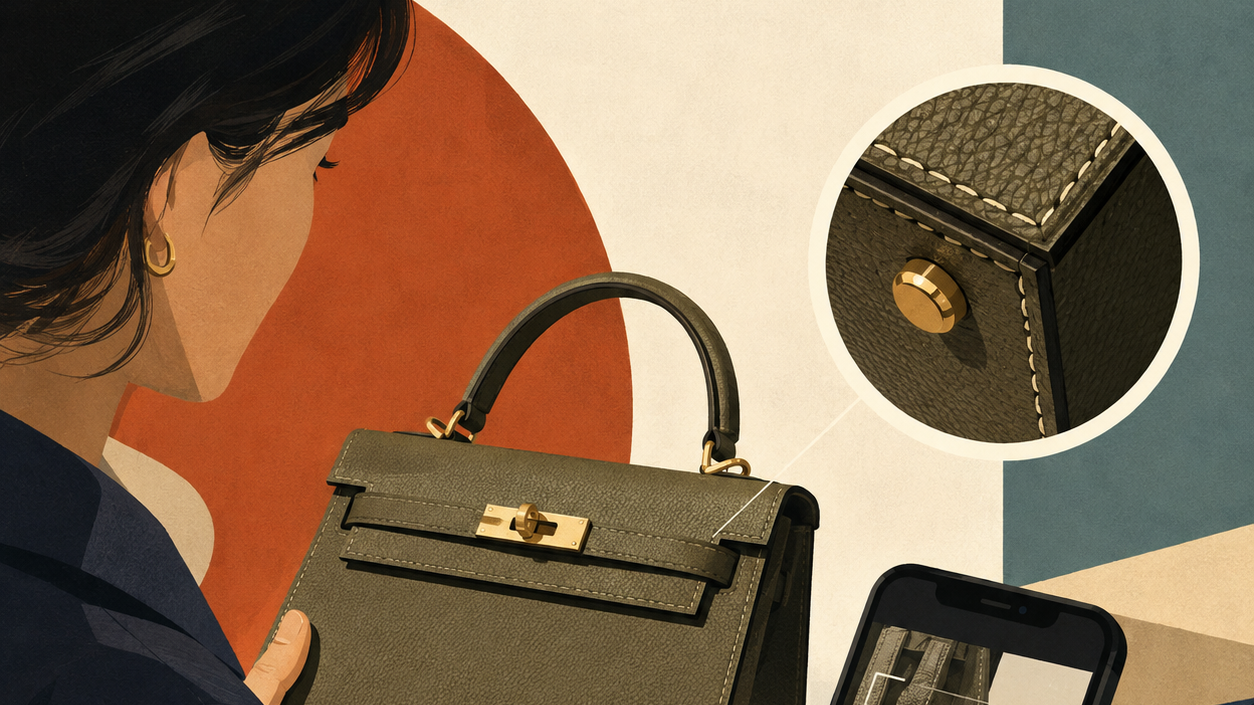
eBay, Poshmark, and Whatnot authenticate luxury handbags above $500. Off-platform buyers at thrift stores and estate sales get nothing but a phone and a guess.
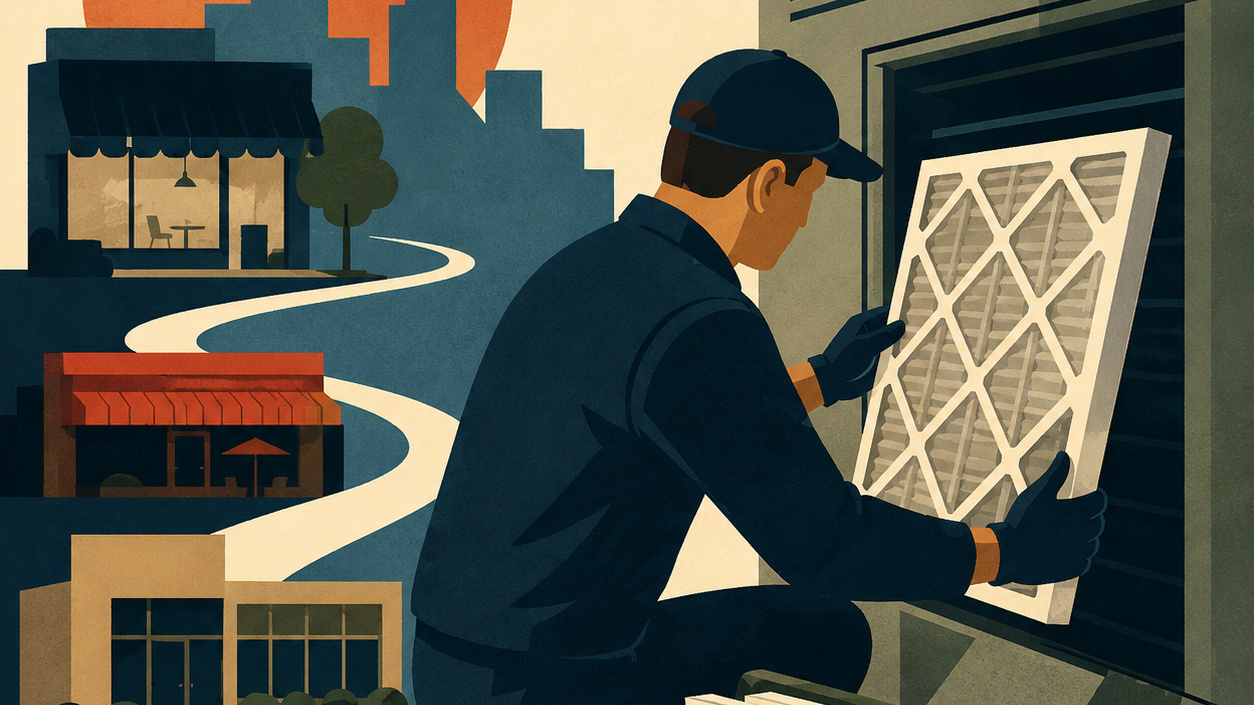
Filterbuy settled the $250 million filter supply war. The unowned job sits in the last thirty feet: commercial HVAC filter changes across small multi-location portfolios.


