


In 1968, the Penn Central Railroad was dead broke.
They owned one of the most valuable buildings in America—Grand Central Terminal—but it was a financial albatross. They couldn't tear it down due to preservation laws. They couldn't sell it because nobody buys massive train stations. They were sitting on a gold mine but starving to death.
Then, a lawyer stopped looking at the floor and looked up.
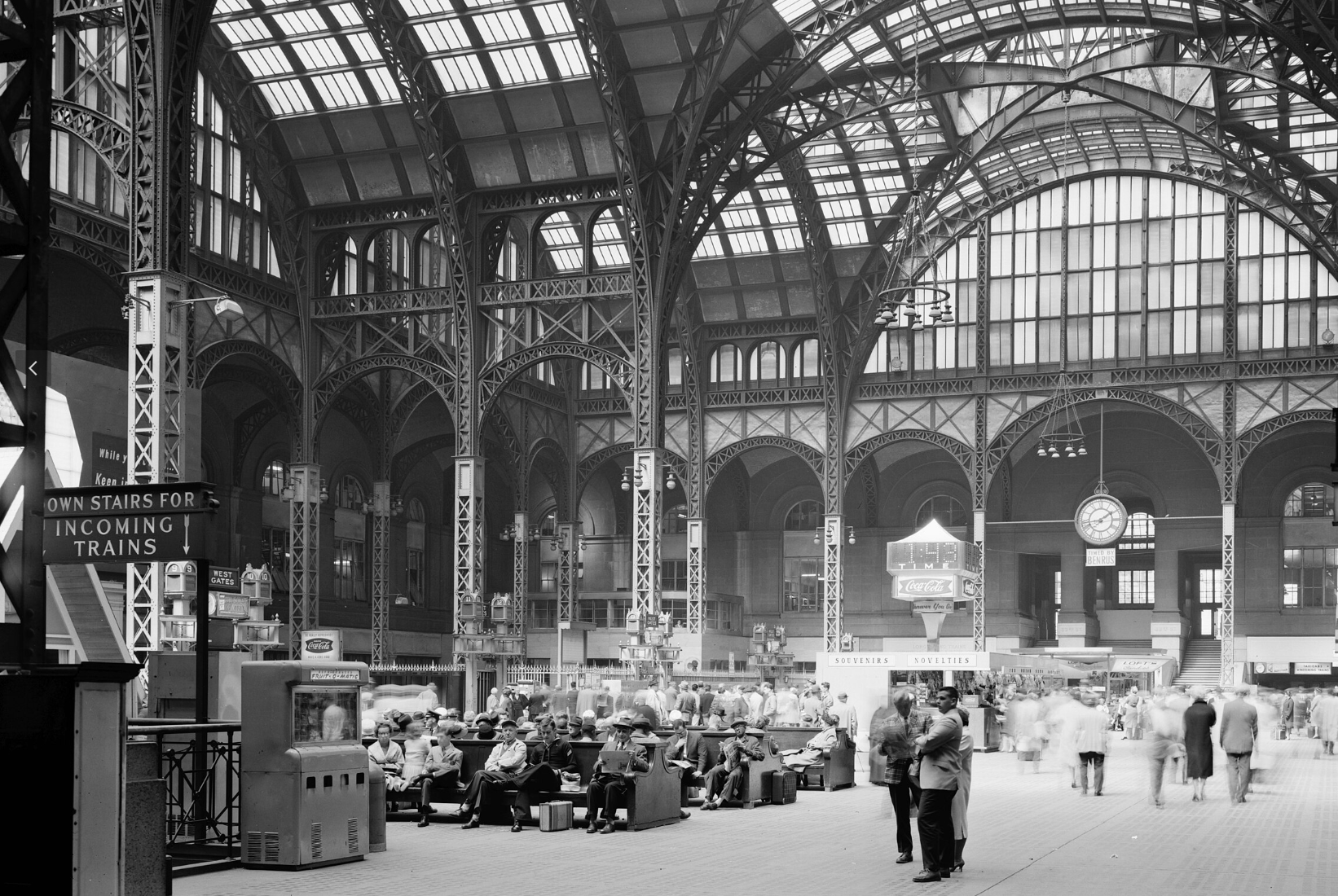
He realized the company didn't just own the terminal; they owned the millions of cubic feet of empty oxygen floating above it. They sued for the right to decouple that empty space and sell it to developers building skyscrapers nearby. They called it "Air Rights." The Supreme Court agreed. Overnight, "nothing" became an asset class.
Most operators are obsessed with physical constraints. The best assets are often invisible. Penn Central proved that if you can draw a legal box around "empty space," you can monetize it.
Right now, you are the landlord of a prime asset with a 33% vacancy rate: your sleep.
Most of us treat sleep like a maintenance cost. MIT researchers have already proven they can "inject" themes into dreams during the sleep-onset window, boosting next-day creativity by 43%.
The market is already signaling a shift. On Twitch, streamers like Amouranth have pulled in $15,000 per night just by broadcasting their sleep—treating the once sacred downtime as a new surface. Meanwhile, the lucid dreaming device market is quietly pacing toward $190 million.
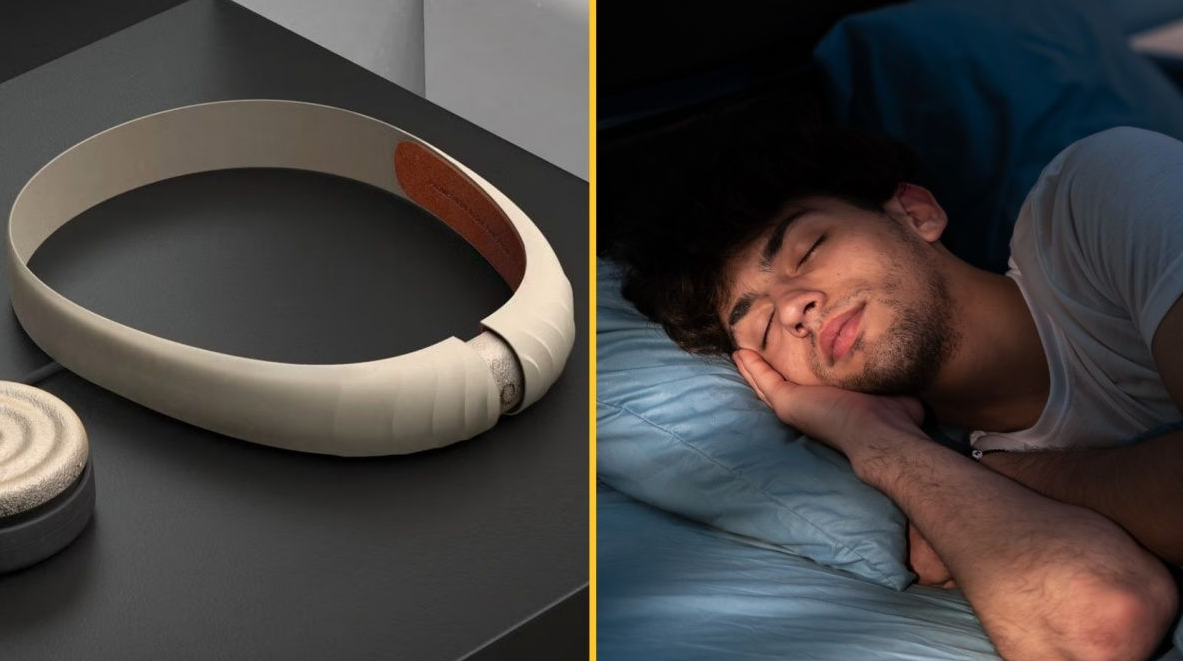
Here's what nobody's built yet: a Dream Incubation Marketplace. A "Nighttime Operating System" where creators sell 7-night "Dream Runs" and users pay $15/month to program their overnight cognition. Pure digital content. Recurring revenue. Network effects as creators build followings around specialized dream protocols.
The infrastructure is already here—sleep tracking devices, proven willingness to pay for self-optimization content, emerging research validating targeted dream manipulation. What's missing is the platform.
Sleep is no longer dead time. Someone is going to build the marketplace for it.
Read the full playbook here:
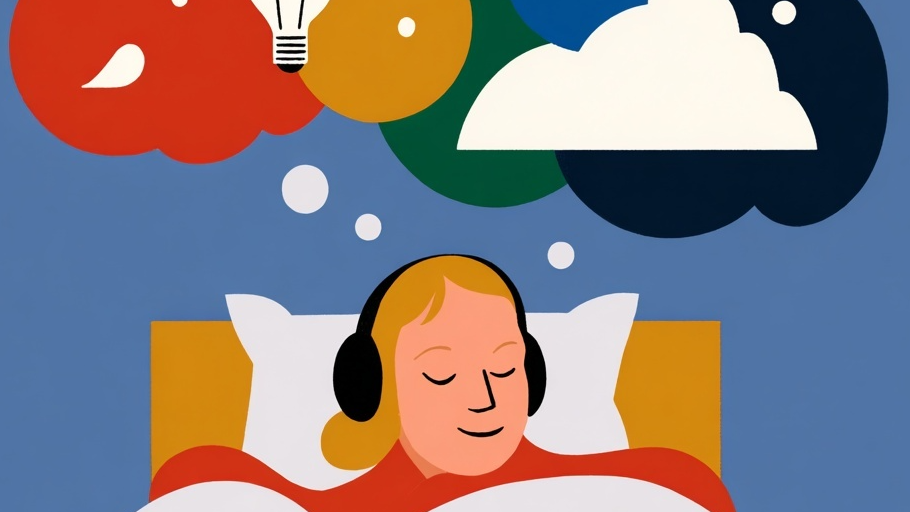
Sleep content hits 2M hours monthly, MIT proved you can steer dreams with audio, and creators need new monetization surfaces. Monetize the one place creators still don't own: your unconscious mind.
From the Vault:
How "decision hygiene" became a $3B category — and why timing tools are the next founder productivity unlock
Health systems pay $10-15 PMPM for ride infrastructure. Nobody owns the caregiver control layer for everything else—groceries, pharmacy, fraud prevention.


