


Christmas Eve, 1955.
A kid in Colorado Springs sees a newspaper ad: Call Santa. They dial. One digit is off.
The call lands inside a Cold War command center.
Colonel Harry Shoup picks up at CONAD (NORAD's predecessor), in a facility designed to spot incoming bombers. A room built for worst-case scenarios where wonder isn't on the org chart. He could've ended it in one sentence: "Wrong number."
He doesn't. Shoup tells the kid Santa is fine, then has his team "track" Santa's location for subsequent callers using the same language and tools meant for threats, repurposed for delight.

The story hits the press. An accidental phone call becomes a durable tradition. Decades later, NORAD still tracks Santa every year—not because the tracking is impressive, but because the ritual works. Same expectation, same date, the magic compounds. The rest, as they say, is history.
Three things here matter for builders:
Serendipity is common; saying yes is rare. Most magic dies in someone's inbox before anyone acts on it.
Authority works as distribution. When serious institutions act playful, attention becomes unavoidable.
Ritual beats novelty. People don't return for information. They return because there's a date on the calendar.
Today, we'll focus on the third lesson and apply the idea of rituals to countdowns; because both of them work the same way. The mechanism of countdowns turn "maybe later" into a definite timeframe (tomorrow), convert passive attention into participation, and give progress a visible shape.
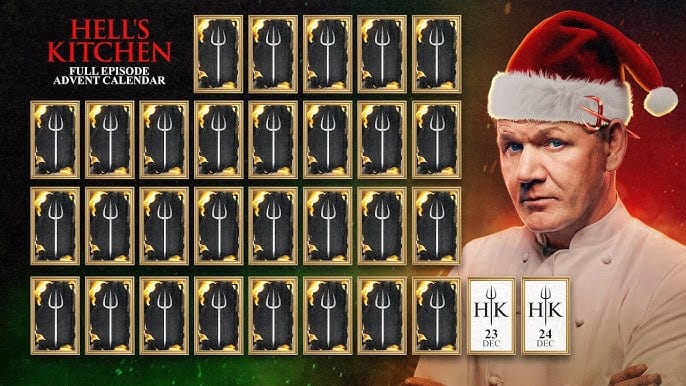
Creators bottle that energy through 30-day challenges, daily drops, unlock sequences, and accountability sprints—usually held together with duct-tape links and manual reminders.
The opportunity isn't more content. It's infrastructure where the countdown is the product.
Read the full playbook here:
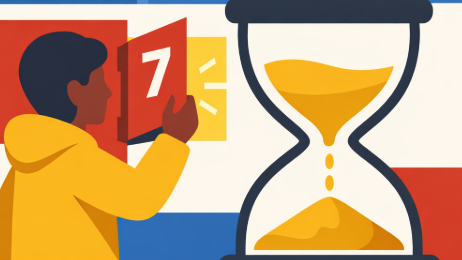
Creators are duct-taping 30-day challenges with Docs + drips. The wedge: “Seasons”—an advent-calendar format for transformation (daily unlocks, spoiler-proof sharing, finite finish line). 100 creators × $50K/yr = $5M GMV; a 10–15% take = $500K–$750K.
From the Vault:

Gen Z wants trades, contractors need workers, but matching infrastructure is prehistoric—measurement layer wins, not another job board.

New York and California mandated crisis detection for AI companions. 337 apps need compliance infrastructure by January. None want to build it themselves.


