


Festivals now sell out faster than cell networks can handle the crowd.
At Coachella, Lollapalooza, or any of the 800+ U.S. music festivals drawing 32 million attendees annually, you know the drill. Everyone's "connected," but nothing works. Your texts fail. Your group chat freezes. Your friend is 200 feet away but functionally unreachable.
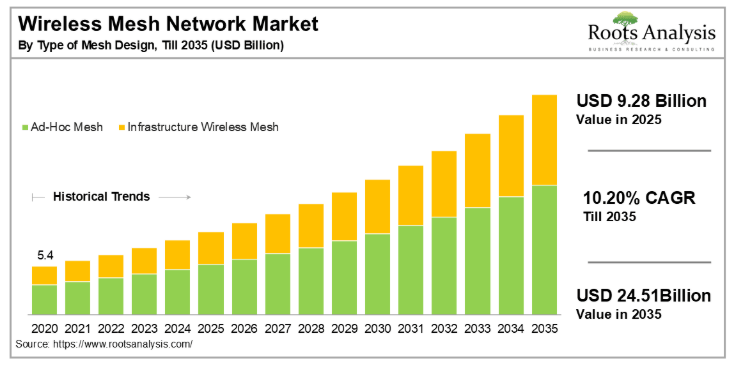
The wireless mesh network market is projected to grow from roughly $5-10 billion in 2025 toward the low-twenties billions by 2035, driven by exactly this problem. Too many devices hitting the same towers creates delays and failures—plain physics.
Nobody's building the consumer version. The cute one. The one parents buy because it solves a problem they didn't know they had.
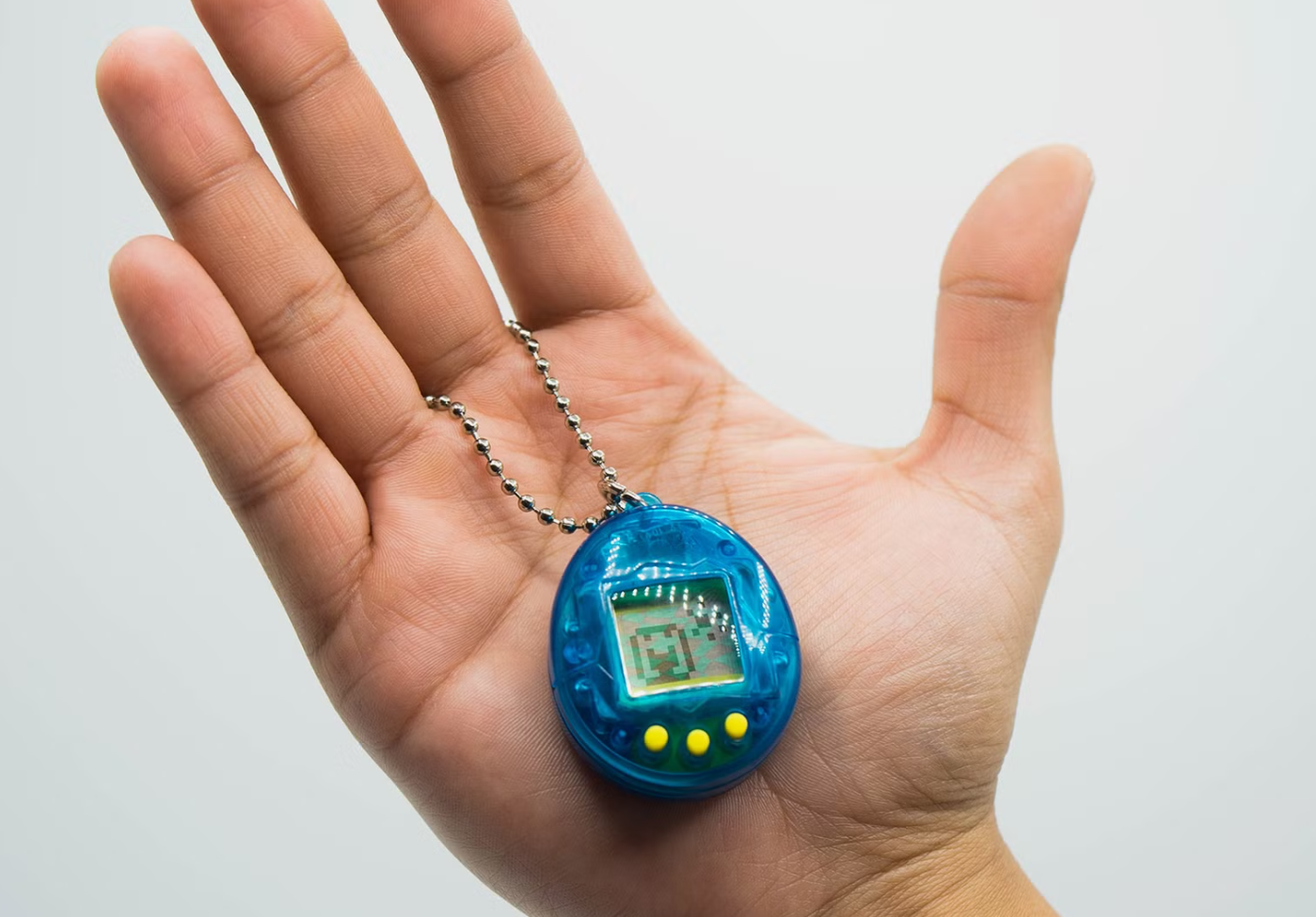
Sell a Tamagotchi-vibe gadget that lets kids and friends text without cell service. Seed real mesh infrastructure into neighborhoods, festivals, and campgrounds. Target $1M-3M revenue in year one selling hardware at 50%+ margins. Build toward a Ring-scale outcome.
Call it Walkie-Textie. Brand it as "the text messenger that works when the world ends (and at Coachella)."
Trojan Horse Resilience—the consumer wedge into what could become the Ring of off-grid communication.
The Business Model: Fast Revenue + Platform Upside
Launch with high-margin consumer hardware. A 2-pack priced at $99-$149 targets impulse gifting and festival pack behavior. Unit economics work at scale: $15-25 COGS at 1,000-unit MOQ, retail at $129 for a 2-pack delivers 50%+ gross margins.
Add profit engines through accessories. Cute lanyards and cases ($15-25), battery clip packs ($20), limited-edition festival skins ($30), and camp mode flashlight accessories ($25) all stack margins.
DTC to start, crowdfund to validate, then push into outdoor retail. REI, Bass Pro Shops, Scheels—they're hungry for gear that solves real problems. Position it in the impulse zone near walkie-talkies and GPS devices.
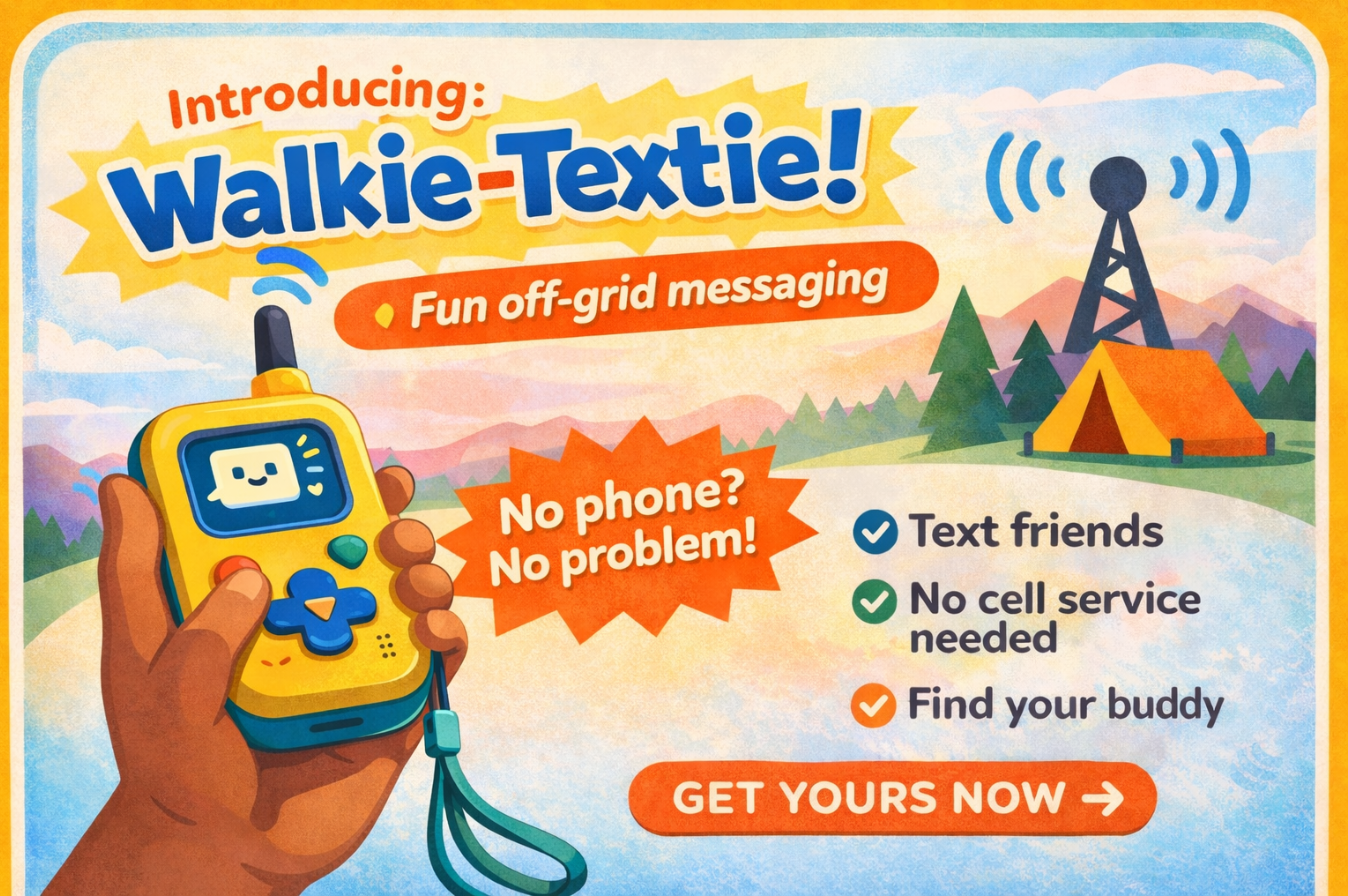
The long game looks like Ring. You evolve the toy into Family Mesh with parent broadcast and safe zones, Event Mesh Kits you rent to festivals and camps, Neighborhood Nodes with solar relay stations, and eventually a Mesh OS with SDK for third-party apps.
But year one? You're a festival toy and a parent-safety gadget. The infrastructure play comes after you've shipped 100K+ devices and proven the UX works under real-world stress. The toy is just wedge #1. The movement is the product—but you build the movement after you've won the toy.
Why The Tech Just Matured (This Wasn't Possible in 2016)
Meshtastic went from nerds-only to real movement. The open-source project transforms cheap LoRa radios into mesh communicators. Created in 2019, it exploded to 6,500+ GitHub stars, hardware starting at $9.90, and active deployments worldwide.
Municipalities test Meshtastic as disaster backup systems. Seeed Studio reports hundreds of thousands of devices shipped. RAKwireless launched WisMesh TAP, a weatherproof touchscreen device that works standalone—no smartphone needed. These are prosumer devices built for enthusiasts and emergency users, leaving a clean gap for a tight consumer brand with real industrial design and distribution investment.
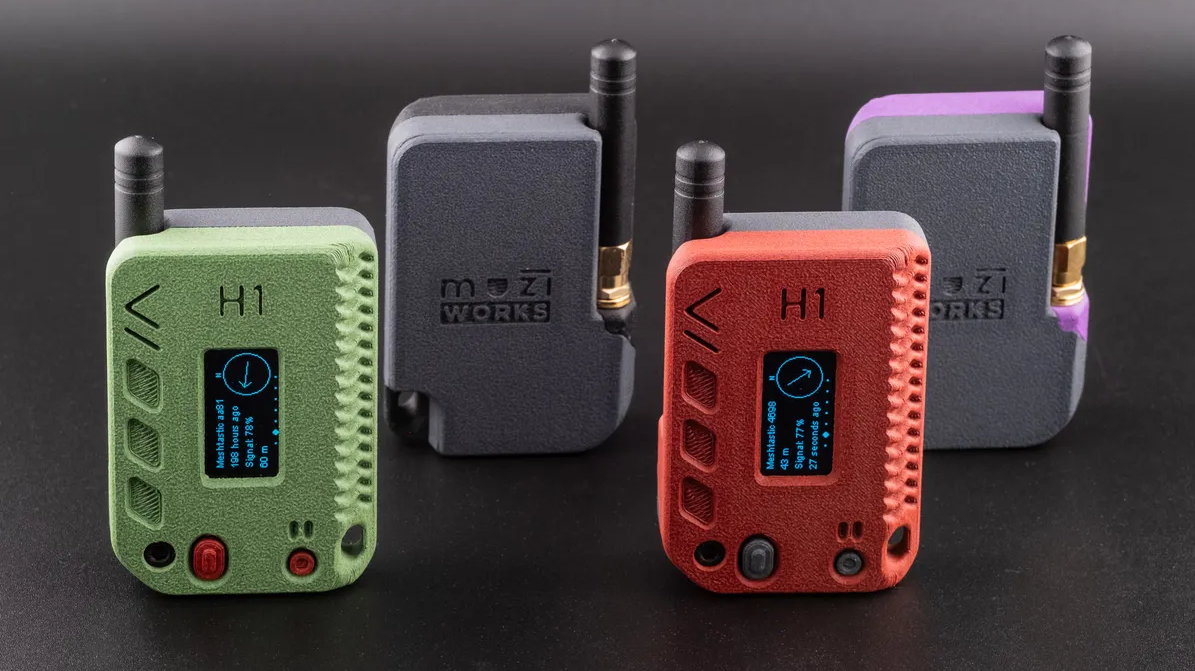
LoRa itself went mainstream as a long-range, low-power wireless protocol powering industrial IoT at massive scale. The Electronic Frontier Foundation recently covered Meshtastic as the easiest way for hobbyists to enter off-grid communications.
Proven buyer demand already exists. Beartooth built a phone accessory for off-grid voice and text, targeting outdoor enthusiasts. It raised money, shipped product, and proved people will pay for this capability. GoTenna did similar with a $150+ device for mesh messaging. Both positioned tactical. Both looked serious.
Nintendo, not NATO.
Nobody's made this playful, pocketable, impulse-purchase cute. Nobody's positioned it for parents who want their kid reachable without handing them a TikTok machine.
Amazon Sidewalk reached 90%+ U.S. population coverage using Echo speakers and Ring doorbells as bridges. Ring launched dozens of Sidewalk-enabled sensors because Sidewalk hit critical mass. Amazon started auto-enabling Sidewalk in 2021. By 2023, they opened it to third-party developers because the network was dense enough to be useful.
Same play, just opt-in and branded around fun instead of home security.
The Real Wedge: "No-Phone Independence"
The adult pitch is resilience. The buyer emotion that moves product: "I want my kid to have a way to reach me without giving them a smartphone."
60% of parents of 11-12 year olds gave their child a smartphone in 2025. But the majority of parents think kids should wait until at least 12, and parents of 11-12 year olds are the most likely to say their child spends too much time on smartphones and social media. Recent studies link smartphone ownership before age 12 to higher rates of depression, obesity, and insufficient sleep.
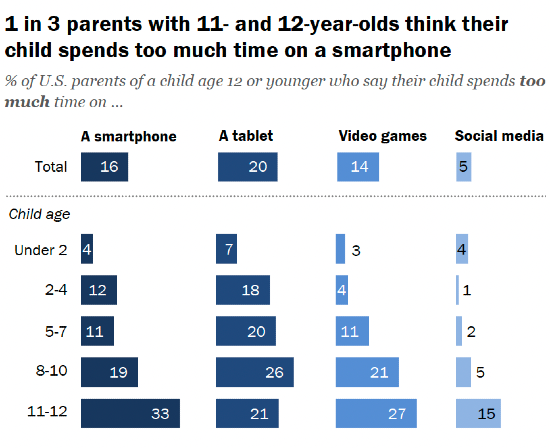
The dilemma is real: 62% of parents cite "safety and staying in contact" as their reason for giving kids phones. But once kids get smartphones, parents report they're more distracted, reading less, less physically active.
Enter the dumbphone revival. Except flip phones aren't fun. Your product is.
Kids roam the campground, theme park, ski resort, or neighborhood block party—still reachable, still independent. No app store. No doom-scrolling. No data plan.
Solving for parent anxiety while giving kids autonomy.
Your Competition (And Why You Still Win)
You're not inventing mesh. You're productizing it.
Unlock the Vault.
Join founders who spot opportunities ahead of the crowd. Actionable insights. Zero fluff.
“Intelligent, bold, minus the pretense.”
“Like discovering the cheat codes of the startup world.”
“SH is off-Broadway for founders — weird, sharp, and ahead of the curve.”


