


In the early 1980s, Steve Jobs toured Sony's factories in Japan and noticed everyone wore a uniform.
When he asked why, Sony's chairman Akio Morita explained it started as necessity. After the war, people didn't have clothes—so companies provided them. Over time, wearing the same thing became less about fabric and more about mission. A shared identity you could see.
Jobs went home and tried to import it. He pitched an Apple vest designed by Issey Miyake.
The room hated it. He got booed.
Sometimes the idea is right, but the interface is wrong.
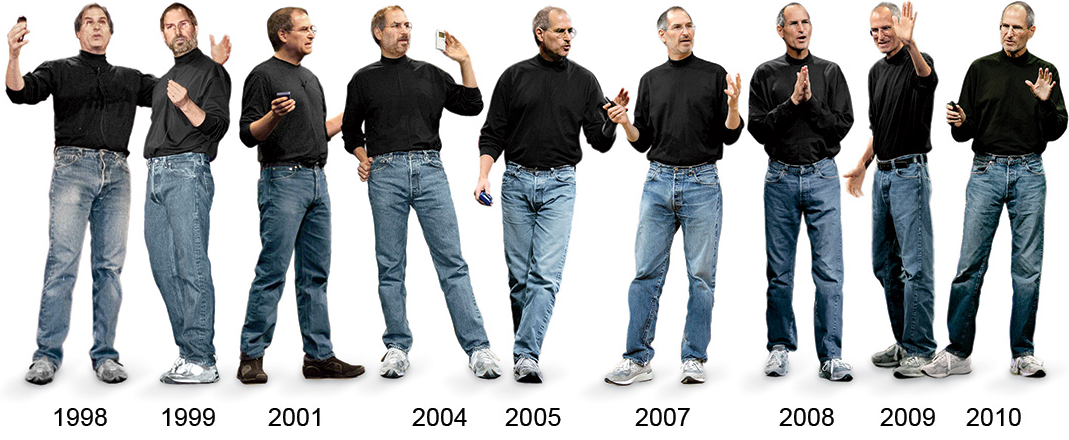
Jobs pivoted. He made the uniform personal—black Miyake turtlenecks, Levi's 501s. The same pieces, worn the same way, every day. He turned clothing into an operating system for attention.
A uniform is a decision you make once that compounds daily. You stop thinking about what to wear and start thinking about what to build. The fabric becomes the least interesting part—what matters is the version of yourself it unlocks.
The viral "quarter-zip + matcha" meme wasn't just a joke. It was a demand signal. A whole cohort said: I don't want to shop. I want to arrive.

Today's Featured Opportunity: build the operating system for identity commerce—starting with a menswear uniform shop that sells named bundles instead of endless SKUs. Two to four items per bundle, one clean persona per package. Add a vibe quiz, a voting loop for new drops, and UGC fit photos that turn every order into customer data. Then recruit Uniform Captains—creators who design a signature uniform and earn rev share when people buy their aesthetic.
The wedge is a store. The compounding asset is the identity machine.
Read the full playbook here:
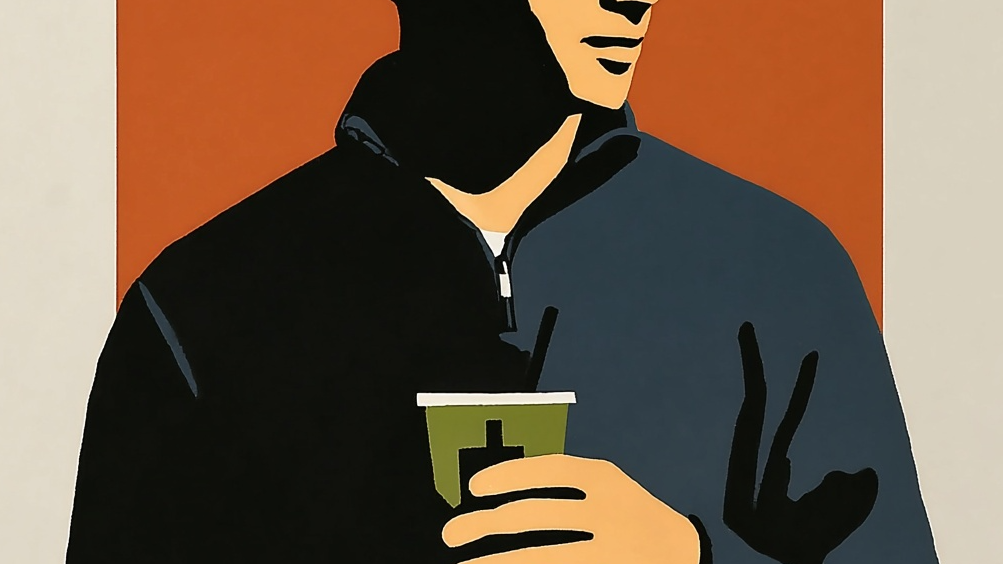
Quarter-zip phenomenon proves men buy identities, not clothes. $130B+ menswear market shifting from disposable microtrends to stackable, nameable uniforms with built-in community.
From the Vault:

Browser automation templates are commoditizing. The durable margin sits in maintenance contracts, monitoring infrastructure, and vertical-specific operational knowledge.

DeepSeek's MIT release and MCP standardization created enterprise demand for agent governance infrastructure. Build the operational trust layer hyperscalers won't prioritize.


