


In 1995, Kao Corporation launched the Quickle Wiper in Japan, an electrostatic sheet on a swivel handle that became a domestic hit.
P&G noticed. They didn't license it. They studied the concept, pulled absorption science from their Pampers division, plugged it into their retail distribution, and added a razor-and-blade refill model that turned a $20 mop into recurring revenue.
The Swiffer did $100 million in its first four months. Kao licensed its design to S.C. Johnson, who launched the Pledge Grab-It. You've never heard of it.
The core insight was identical. The difference was everything around it — the refills, the shelf space, the switching costs. P&G didn't win on the mop. They won on what you had to keep buying after the mop.
Which brings us to a quiet category you can build in while everyone else is obsessed with AI.
At CES 2026, Seattle Ultrasonics showed a chef's knife whose blade vibrates 40,000 times per second. First production run sold out at $399. Six years of R&D proved you could fit safe, effective ultrasonic modules into a handheld consumer tool with rechargeable batteries, IP65 water resistance, and USB-C charging.
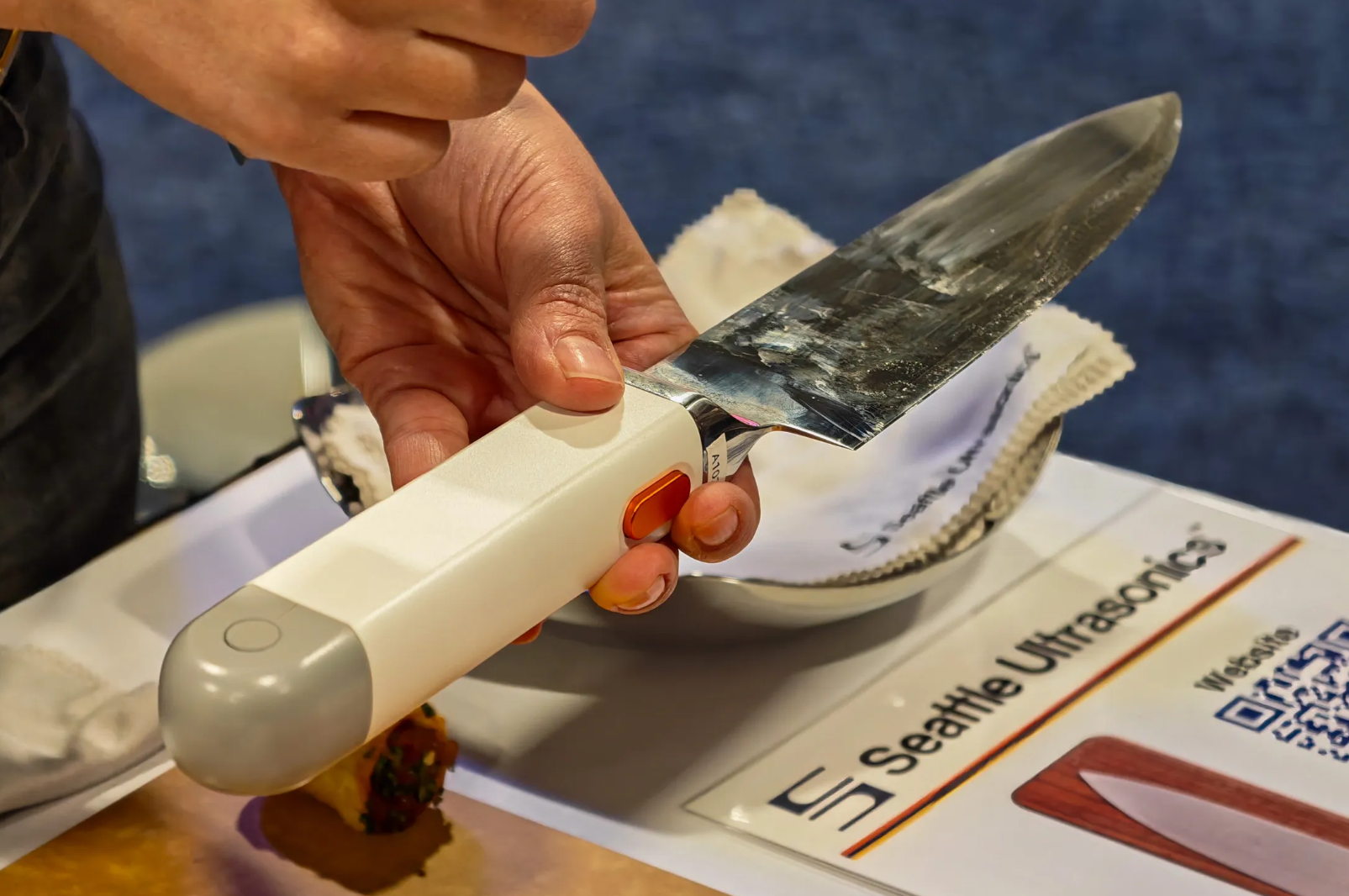
The knife was the proof of concept. The real category is everything else that module can do.
Today's featured opportunity is a cordless ultrasonic grout wand. Starter kit at $149–199, with $24–39 quarterly subscriptions for replacement heads and ultrasonic-optimized cleaning chemistry. Hardware margins around 40%. Consumables north of 70%. A subscriber who stays two years generates $350–550 in lifetime value.
The $60 billion cleaning tools market is still dominated by spin scrubbers that underwhelm in side-by-side tests and the same toothbrush-and-knees ritual your parents used. Nobody's built the system yet.
Read the full playbook here:
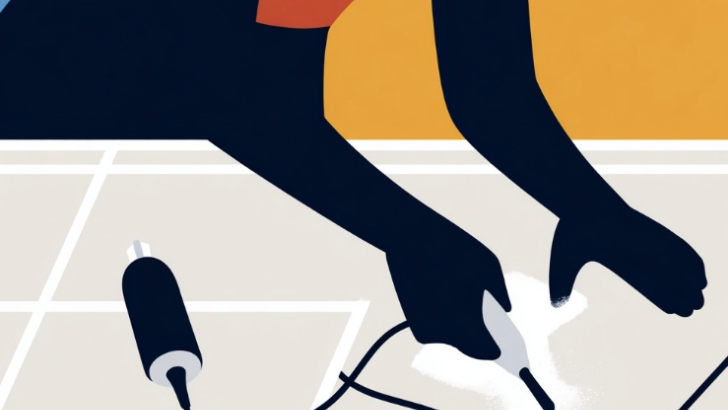
Seattle Ultrasonics solved consumer ultrasonic packaging. The next category isn't kitchen knives—it's mundane cleaning tools starting with grout.
From the Vault:

Google and Shopify shipped the Universal Commerce Protocol in January 2026. Merchants have zero visibility into whether AI agents can see or recommend their products.

17.6 million exotic pets have no Rover. Mainstream platforms exclude them, creating a defensible wedge in specialized care infrastructure.


