


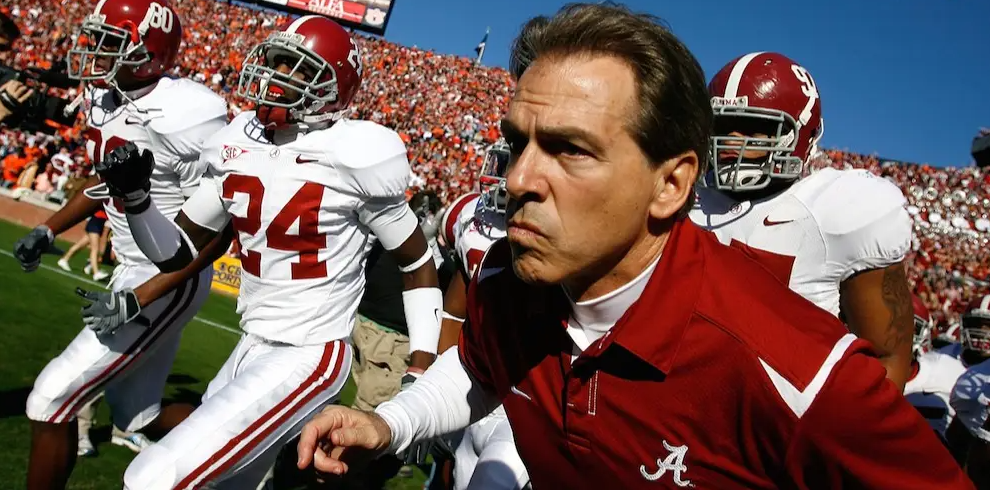
In November 1998, Michigan State was preparing to face the #1 team in the country. They had no business being on the same field. Coach Nick Saban knew it. So he called a psychiatry professor named Lionel Rosen — a guy his players called "the wizard dude" because he looked like Gandalf — and asked: What do you tell a team that thinks it can't win?
Rosen pointed out that the average football play lasts seven seconds. Don't try to win the game. Just win the next seven seconds.
Down 24–9 in the third quarter, Michigan State won 28–24. Saban rode that reframe to seven national championships.
The best business ideas often start the same way — not by reinventing an industry, but by finding the seven-second window everyone else fumbles and building a system that never drops it.
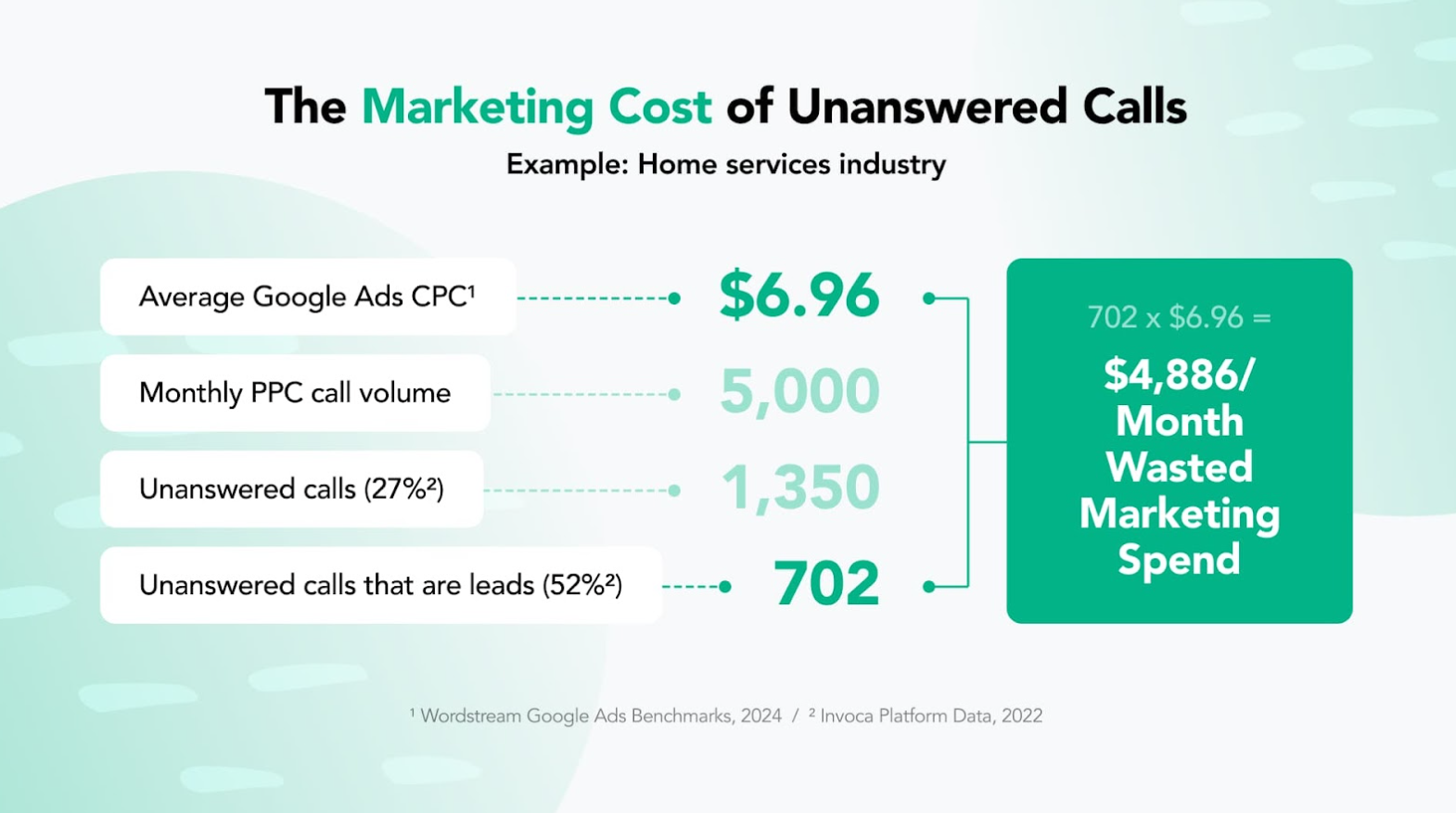
Home service businesses miss 27% of their inbound calls. Eighty-five percent of those callers never try again, costing $300 to $1,200 per missed call. That's the seven-second window in this market: the rings between a customer dialing and your voicemail picking up.
The startup idea: an AI-native home service operator. Pick an unsexy, un-automatable service — power washing, gutter cleaning, mobile detailing — and wire the entire back office with AI: calls, quotes, scheduling, reminders, upsells, bookkeeping. A single-city operation running this model can clear roughly $290K in annual gross profit on $480K in revenue. Two crew members, no office staff.
And if you're ambitious, the real upside is what comes after — productizing the operating system you built and licensing it to other operators.
Read the full playbook here:
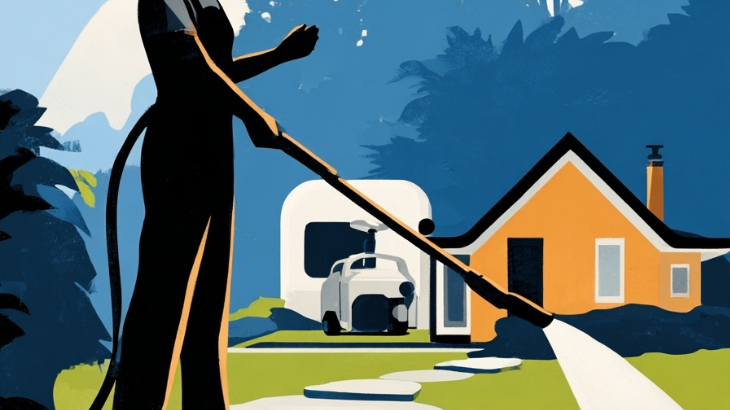
Home service operators lose $126K/year to missed calls alone. An AI-native local service business — built on Jobber, ServiceTitan, and voice AI — can clear $290K in gross profit with two crew members and zero admin staff.
From the Vault:
A single TikTok recipe spiked Biscoff sales 30% in one week. A ghost kitchen food business idea built to convert viral recipes into delivered desserts before the trend fades.
The multi-billion-dollar AI agent testing gap nobody's filling. Enterprise agents ship without QA infrastructure — deterministic sandboxes and scoring harnesses are a B2B SaaS opportunity hiding in plain sight.


