


The "Marital Bed" is arguably the most successful rebranding campaign in economic history.
If you visited a wealthy Victorian home in 1890, you wouldn’t find a "Master Bedroom." You’d find separate chambers. For centuries, sleeping together wasn't a romantic ideal; it was a sign of poverty. It was a "heat hack" for the working class—a survival mechanism to conserve warmth in uninsulated tenements.
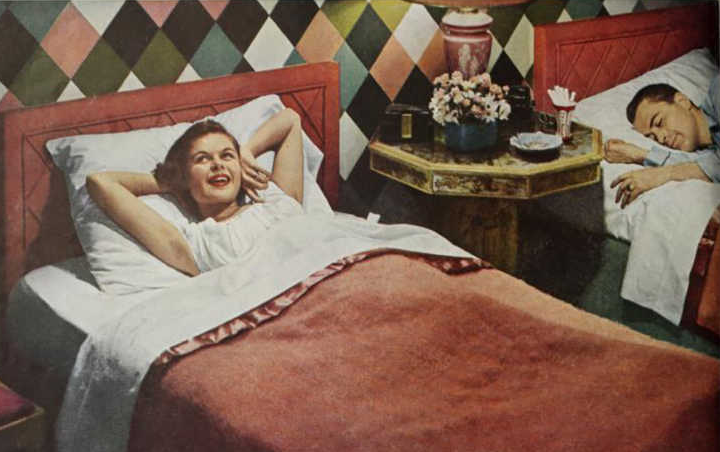
Society took a clear economic constraint and convinced us it was the pinnacle of intimacy. We confused proximity with connection.
But history is a circle. The new status symbol isn't a California King; it's a second primary suite. The wealthy are quietly reverting to the aristocratic standard, trading the "poverty hack" of shared sleep for the "performance hack" of deep recovery. We are finally waking up to the fact that you can’t optimize a relationship on a sleep deficit.
This shift isn't just a cultural swing; it's a $6.8B market correction.
Wearables have weaponized the bedroom. Your Oura ring doesn't care about romance; it cares that your recovery score crashed to 42. The data has made separate sleeping rational, creating a massive gap between "awkward guest room exile" and "optimized relationship."
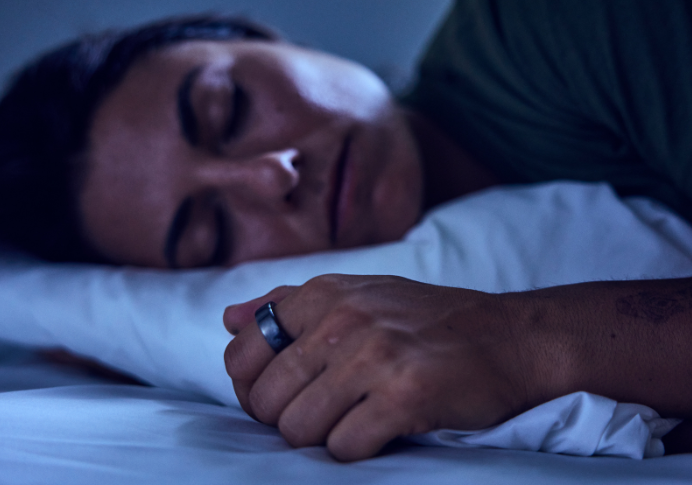
We’re calling this the Sleep Divorce Boom.
While 40+ million Americans navigate this with guilt, a massive opportunity exists to build the "coordination layer" that makes it work. We’ve mapped a path from a sticky, high-retention app to a commerce play with 50% gross margins, targeting an affluent demographic already paying for sleep clinics and therapy.
The demand is at critical mass. The stigma is evaporating. The only thing missing is the brand that owns the solution.
Read the full playbook here:
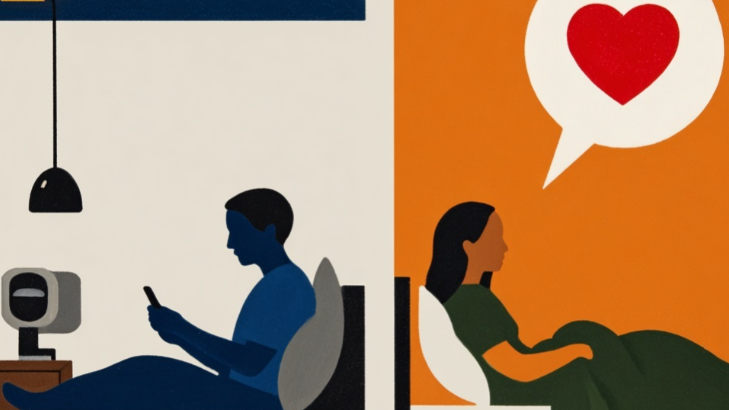
Oura proved couples will act on sleep data. One-third now sleep separately. Nobody built the infrastructure for them.
From the Vault:
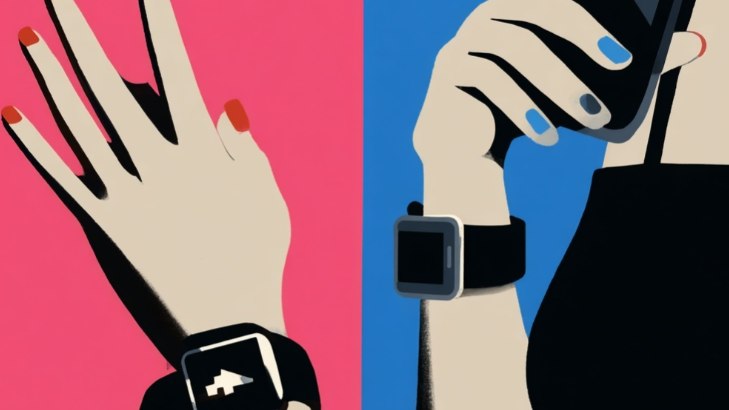
Programmable surfaces hit $95 consumer pricing. Hardware makers ship blank screens with no content strategy. Build the creator platform they'll license.
Meta validated sketch-to-animation. Apps shipped it to consumers. Nobody built the compliant, repeatable event format that camps and museums actually purchase.


