


Thesis
Build the block-level change database that replaces dying local news and sells to the pros who need it most.
Background
It's easier to learn what's happening across the world than what's happening on your block.
More than 200 U.S. counties now have zero local news outlets. Another 1,500+ have exactly one. That's roughly 55 million Americans with limited or no access to reliable local information — and the Medill "watch list" of counties at risk of losing their last outlet grew 22% in 2024. The structural gap is accelerating, not closing.
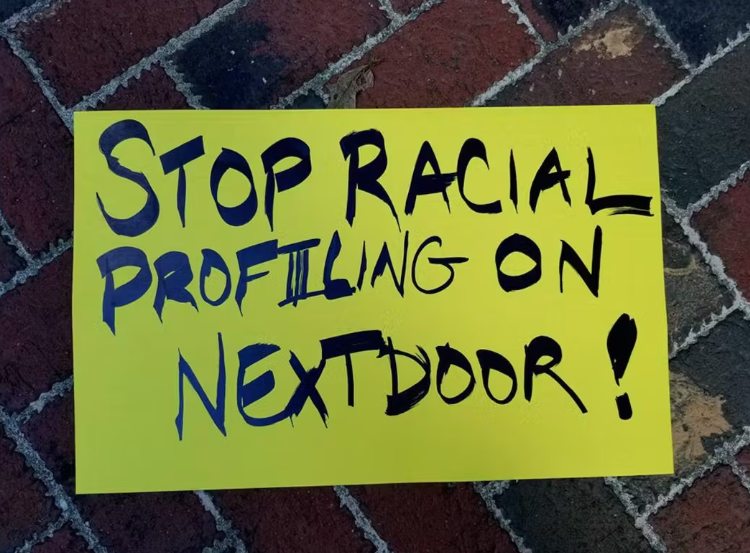
The platform that was supposed to fill the gap, Nextdoor, became a breeding ground for neighborhood panic, racial profiling controversies, and rumor-driven conflict. It tracks engagement, not truth.
So the question every neighborhood in America keeps asking — what's opening here? what's closing? what's being built? — has no reliable, structured answer. And that question has paying customers on both sides: consumers who want to know what's replacing their corner bakery, and CRE professionals who currently spend $300–$500/month per seat on CoStar just to get transaction-level data that still misses pre-deal signals.
The opportunity is a location data startup idea hiding in plain sight: build the canonical "change ledger" for physical places. A structured, source-backed timeline of what's opening, closing, being built, proposed, delayed, protested, and confirmed — one address at a time. Version control for the real world.
The pro layer — dashboards, alerts, API access, and data licensing — charges CRE teams $49/month at the low end and $15K–$150K/year per metro at the enterprise tier.
One $50K data license validates the entire model.
Every free user who submits an update feeds the engine that powers the paid side. And unlike most alternative data products, the dataset compounds daily and becomes nearly impossible to replicate after two years of operation.
Why This Works Right Now
The local narrator is gone — permanently. Over 300 digital news startups have launched in the past five years, but nearly 90% cluster in metro areas. Ninety-eight percent of the largest journalism grants went to urban organizations. Rural and less affluent communities get almost nothing. The gap is structural. People don't need another opinion feed. They need a neutral facts layer.

Social feeds amplify emotion, not truth. Nextdoor has faced repeated criticism for racial profiling on its platform, conspiracy-laden feeds, and inconsistent moderation. A structured facts layer that tracks places instead of people — and requires evidence instead of emotion — wins precisely where social feeds fail. This is a real estate data tool and a local intelligence platform, not a community app.
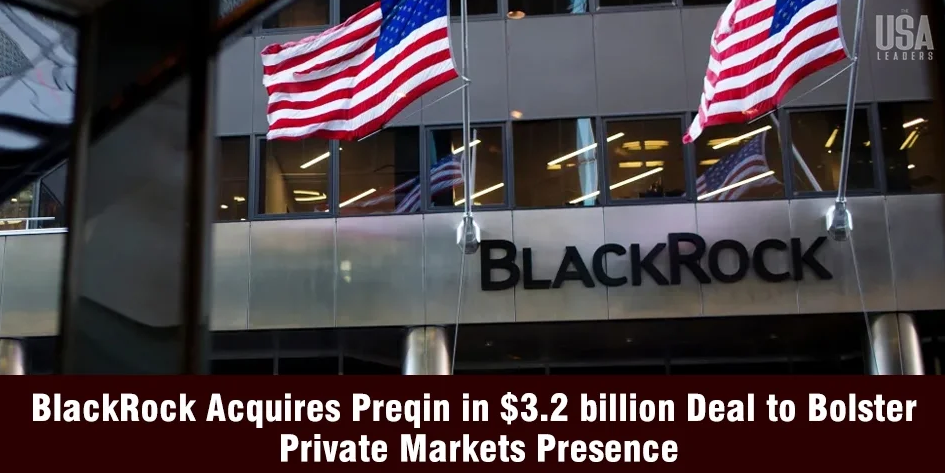
The buyers already exist. Alternative data is a mainstream industry valued at roughly $5–11 billion in 2024 and growing at 28–50% annually depending on methodology. BlackRock's $3.2 billion acquisition of Preqin signaled how seriously institutional capital takes non-traditional datasets. A block-level change dataset tracking retail churn, construction activity, permit pipelines, and community friction is one of the most underpriced signal streams in that market.
CoStar Group, the $3 billion-revenue incumbent in CRE data, employs 1,600+ researchers making 10,000+ daily property updates. But CoStar is optimized for transactions and valuations. It doesn't track the narrative of a block: the storefront that went dark, the permit that stalled, the opposition that killed a project. Placer.ai raised $75M in 2024 at a roughly $1.5 billion valuation, surpassed a $100M revenue run rate, and serves 4,300+ customers — proving location intelligence is a category investors will fund aggressively. But foot traffic tells you what happened yesterday. A change ledger tells you what's about to happen tomorrow.
Nobody owns the structured narrative of neighborhood change. That's the gap — and it's a B2B data product idea with a consumer acquisition layer baked in.
The Product: A Change Ledger
Forget building a community app. Build a database.
The atomic unit is a Change Event tied to a physical place:
Unlock the Vault.
Join founders who spot opportunities ahead of the crowd. Actionable insights. Zero fluff.
“Intelligent, bold, minus the pretense.”
“Like discovering the cheat codes of the startup world.”
“SH is off-Broadway for founders — weird, sharp, and ahead of the curve.”


