


Couples spend $35,000 on average for their wedding. Venues charge $12,000+ just for the space. Planners obsess over every detail—the florals, the photographer, the timeline.
Then a 15-minute pop-up cell rolls through at 4:17 PM, and none of it matters.
The ceremony moves inside. The photographer loses the golden hour shots they promised. Guests stand in mud. The caterer scrambles. Three months later, the venue gets a one-star review that stays pinned to the top of their Google listing.
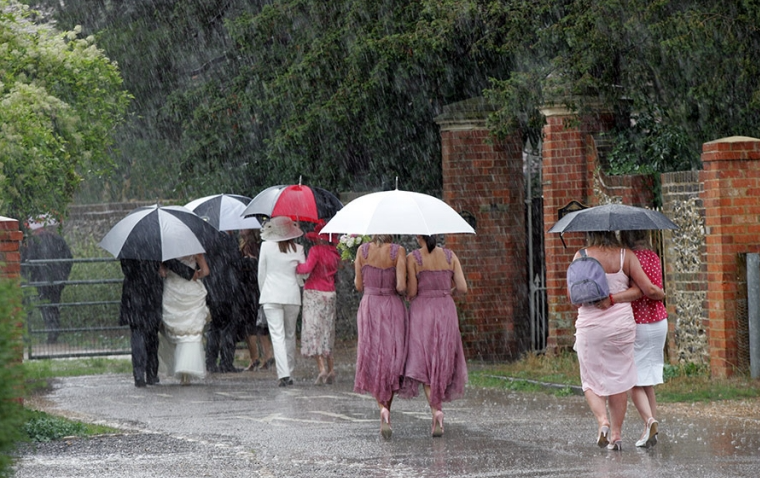
Everyone saw it coming. The conditions were there—humidity spiking, wind shifting, pressure dropping. All the data existed 30 miles away at an airport weather station that updates every six hours.
What wasn't there: certainty on that property, at that hour, with enough lead time to make a real decision.
Consumer weather apps are built for errands. They fail at $35,000 events.
A single flagship venue doing 50 events annually will pay $46K per year for the peace of mind you're offering. Ten venues gets you to nearly half a million in ARR. The infrastructure is cheap, the margins are clean, and the wedge into a $70 billion U.S. wedding market is sitting there undefended.
Sell Certainty to Venues With Reputation Risk
Skip the weather app. Build a vertical decision layer for weather-exposed venues:
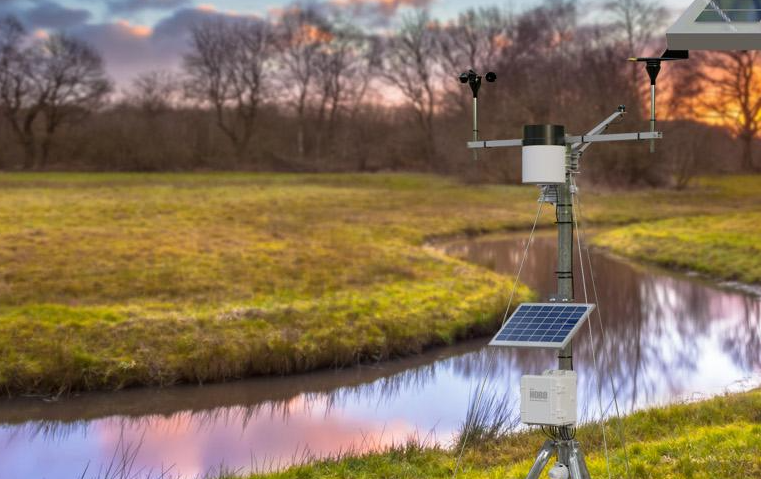
- On-site micro-weather data tracking exact property conditions
- Decision intelligence translating forecasts into actions ("move ceremony 45 minutes earlier" vs "upgrade to tent package")
- A guarantee using parametric triggers to pay out when objective thresholds hit
You're not competing on better forecasting. You're selling outcome control—packaged as a venue service that protects reputation and drives revenue.
Why Now
The weather data business is growing fast
Weather forecasting services hit $2.73 billion globally in 2024 and track toward $4+ billion by 2030. Enterprises already pay six figures annually for hyperlocal forecasts because bad timing costs more than the subscription.
The market split tells the story: energy and utilities account for 23.5% of revenue, transportation and logistics are growing at 7.3% annually, and the fastest-growing segment is renewables—all sectors where a few degrees or a few hours make million-dollar differences.
Hyperlocal resolution is commercially available now
Weather providers like UBIMET and Tomorrow.io now market 100m x 100m forecast resolution—predictions for a specific property, not just a city. The technology leap happened quietly: combination of AI models, satellite data, and dense sensor networks.
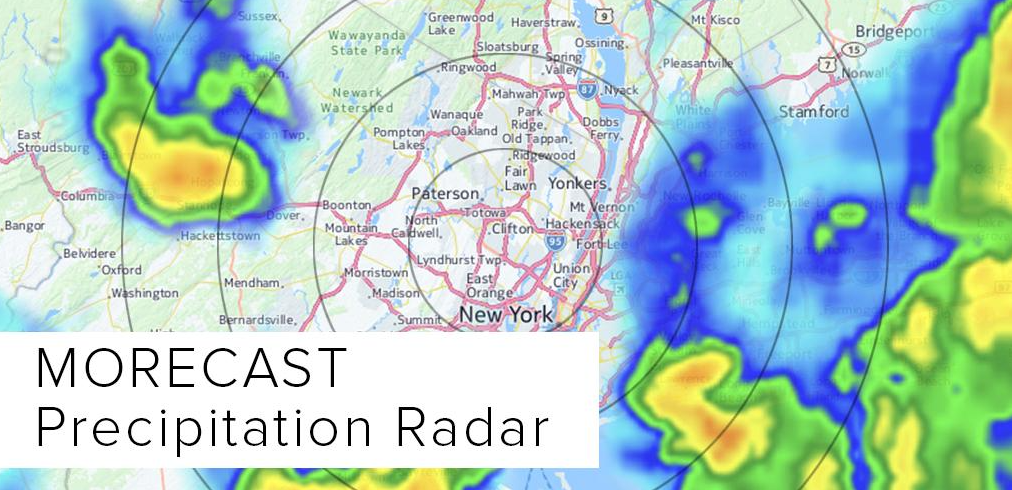
The gap between "airport 30 miles away" and "this vineyard" is no longer theoretical.
Parametric insurance logic is going mainstream
A payout triggers automatically when objective thresholds are met—rainfall exceeds X inches, wind surpasses Y mph, lightning strikes within Z miles. No claims adjuster. No months-long process. Threshold crossed, money transferred.
This model gained traction in agriculture and catastrophe bonds. Now it's rolling into hospitality, construction, and municipal planning. After Hurricane Milton in 2024, climate risk firm Arbol paid out $20 million in parametric claims within 30 days. Compare that to traditional insurance, where businesses often wait six months.
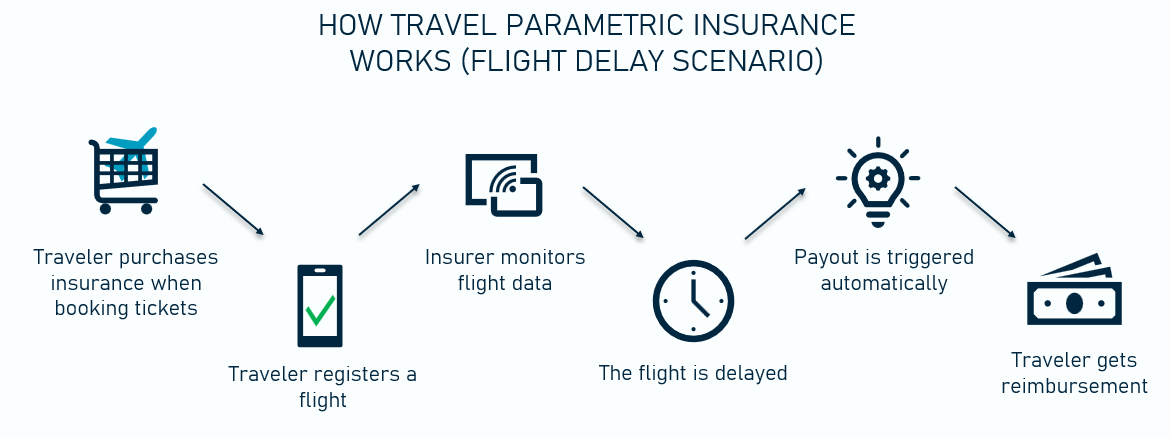
The mental model is perfect for outdoor events: objective triggers, instant clarity, no arguing about "actual damages."
Consumer-grade sensors are accurate enough to drive business decisions
A Tempest weather station—$329 retail—publishes data every three seconds with temperature accuracy within ±0.4°C and calibration that doesn't drift over time. It measures wind, rain, lightning, UV, and barometric pressure with no moving parts.
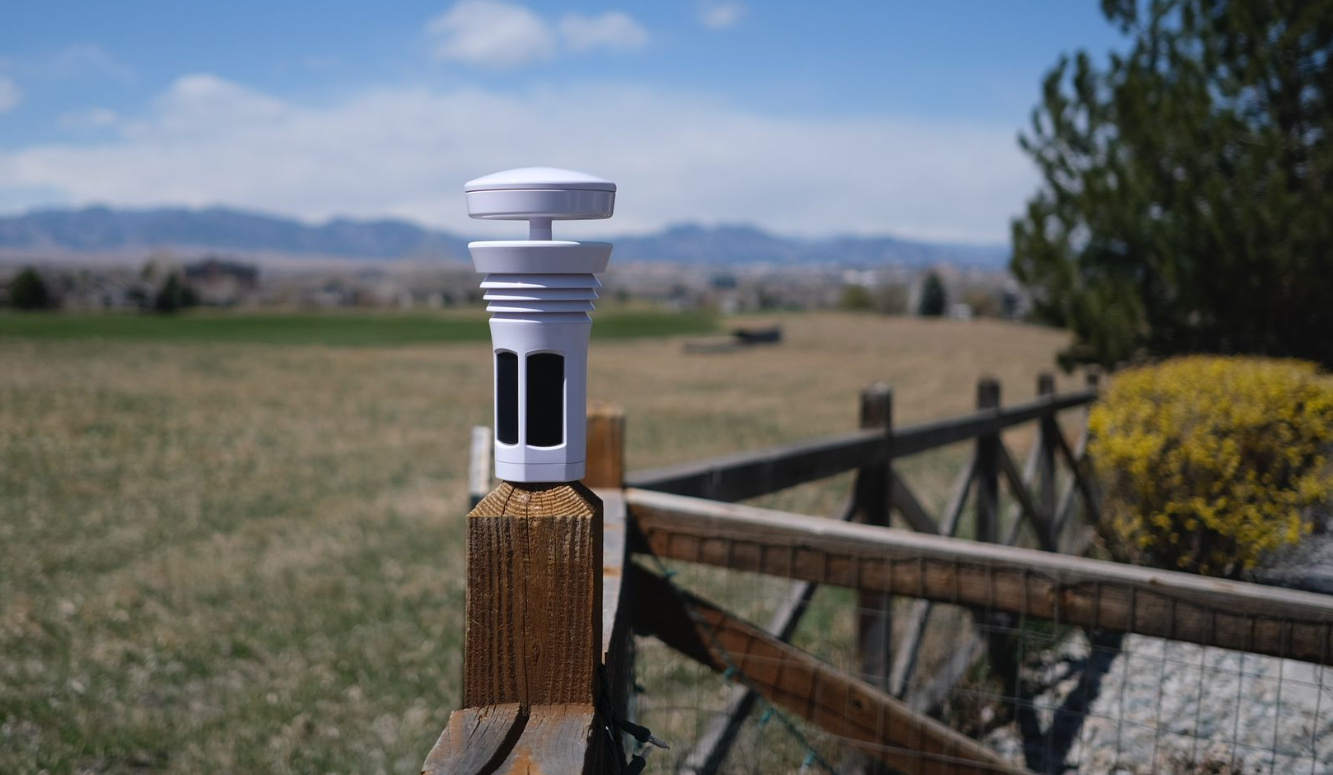
That's not research-grade meteorological equipment, but it's far more than good enough to trigger alerts like "wind gusts exceeding 25 mph in next 90 minutes" or "rainfall probability spiked to 80% during ceremony window."
Companies are already using these sensors for billion-dollar decisions. Solar farms use them to predict generation shortfalls. Golf courses use them to protect greens. The hardware works.
The Customer Is Venues, Not Planners
Selling one-off subscriptions to scattered wedding planners doesn't scale. You'd be chasing 10,000 individual buyers with irregular purchase cycles.
The wedge is venue networks:
Wedding venues (especially outdoor-dependent properties)
Golf courses and country clubs
Vineyards and estates
Rooftop and waterfront spaces
Parks and botanical gardens hosting corporate events
Venues win because:
- They host hundreds of events per year, not just one
- Reputation drives pricing power—fewer weather disasters = premium rates
- They can bundle weather protection as an upsell to couples
- They control vendor relationships (tent companies, caterers, photographers)
The U.S. wedding market is roughly 2 million weddings annually, with average spending around $35,000. Couples budget $12,000–$15,000 for venues alone. But the real insight: venues with bad weather reviews lose future bookings at multiples of any single event's value.
A vineyard that gets tagged with "our outdoor ceremony got rained out and they had no backup plan" doesn't just lose one $15K booking. It loses the next 50.
What You're Actually Selling
MVP (first 60 days): Decision Concierge Service
Unlock the Vault.
Join founders who spot opportunities ahead of the crowd. Actionable insights. Zero fluff.
“Intelligent, bold, minus the pretense.”
“Like discovering the cheat codes of the startup world.”
“SH is off-Broadway for founders — weird, sharp, and ahead of the curve.”


