


In 1997, David Bowie walked into a conference room and securitized himself.
Working with banker David Pullman, he packaged the future royalties from 25 albums into $55 million in asset-backed bonds. Prudential Insurance bought the entire issue at 7.9% annually over ten years. Bowie got a lump sum. Investors got a claim on his future cash flow.
Wall Street called it a novelty. Moody's rated the bonds A3.
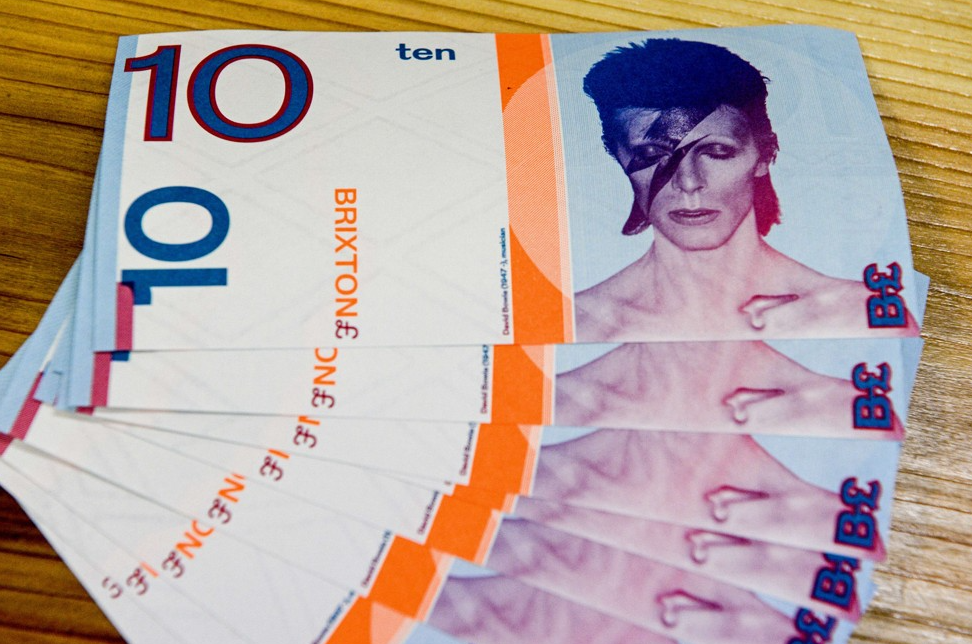
Bowie's catalog had been generating income for decades, but until someone created the structure, that cash flow was invisible to capital markets. The money was already there. The instrument wasn't.
The bonds paid out in full. Bowie didn't invent a new kind of value — he made existing value legible to people with capital.
Twenty-nine years later, the economy is full of Bowies. Solo SaaS builders, newsletter operators, one-person businesses throwing off real recurring revenue from Stripe and Shopify. The U.S. has 41.8 million solopreneurs generating over $1.3 trillion in economic activity. Solo-founded startups surged from 24% to 36% of new ventures in five years.

The value is there. The instrument still isn't.
Today's startup idea: build the financing infrastructure for one-person internet businesses. A compliance-first capital layer where indie founders raise non-dilutive funding through standardized revenue-share agreements tied to their payment data.
The revenue-based financing market is projected to hit $42 billion by 2027. The creator economy is heading toward $480 billion. That gap is a small business idea most people are overlooking.
Read the full playbook here:

The creator economy is a $250B sector with no real financing infrastructure. Revenue-share agreements plugged into Stripe and Shopify data could become the capital layer for solo founders and micro-SaaS builders.
From the Vault:

The premium soil market is a $6B commodity with zero flavor branding. Younger consumers are spending more on gardening than any generation in years — and nobody has built the DTC growing kit business that treats substrate like specialty coffee.

AI crawlers skip JavaScript entirely — leaving most modern websites invisible to ChatGPT, Perplexity, and Claude. A B2B SaaS startup idea hiding inside a broken crawl pipeline, with LLM referral traffic converting at 6x Google organic.


