


In 1999, Frances and Harold Mountain knelt on the floor of a Las Vegas courtroom, dividing their Beanie Baby collection, one by one, under the supervision of a judge who'd invited reporters to watch.
The collection was valued at up to $5,000. Within a few years, you could buy the whole pile for pocket change.
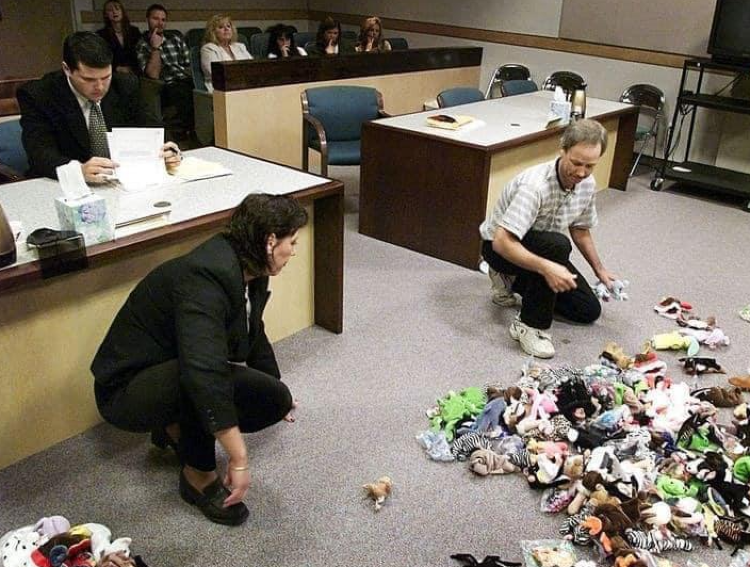
Ty Warner had engineered the frenzy — "retiring" models, throttling retail supply, manufacturing urgency. Resellers piled in while prices completely detached from reality. And the people who actually wanted the toys were priced out by speculators who never cared about them.
Most people remember this as a demand crash but what collapsed was actually the illusion that most of the buying had ever been genuine.
That is exactly what's happening right now in live event ticketing.
Coldplay's Mumbai show sold out in 30 minutes. Swift's Eras Tour crashed Ticketmaster. The sequence is always the same — bots eat the inventory, resellers flip at 5x, real fans get locked out.
Ticketmaster blocks 200 million bot attempts per day. Bots still account for 40% of all ticketing traffic, climbing above 90% for high-demand shows.
But the regulatory landscape just shifted. The FTC sued Live Nation for collecting $3.7 billion in resale fees through what the complaint called "triple dipping." Trump signed an executive order enforcing the BOTS Act after eight years of dormancy. State attorneys general are mobilizing for the first time.
What's missing is infrastructure — a way to verify real fans and route tickets to them before checkout. The MVP ships in 10–12 weeks. At modest scale across 100 artists and 50 venues, the model pencils to $425K in monthly recurring revenue.
Read the full playbook here:

Secondary ticketing will grow $18B by 2030 while Ticketmaster blocks 200M bots daily and still loses. Weverse proved portable fan credentials work for K-pop.
From the Vault:

Brands spend $10 billion annually on UGC creators but can't find talent that ships reliably. Build the apprenticeship infrastructure they're desperate for.

WikiTok validated the format. Duolingo validated the mechanics. The scroll feed for identity transformation and career skills remains wide open.


