


In 2008, journalist Lenore Skenazy let her 9-year-old ride the New York City subway alone, and wrote a column about it in the New York Sun.
The internet called her "America's Worst Mom." Cable news ran panels. Parenting forums melted down.
Instead of apologizing, she launched a movement.
Free-Range Kids became a book, a reality show, a nonprofit, and eventually helped pass childhood independence laws in Utah and several other states. One parent's rejection of helicopter culture turned into something nobody expected: a consumer identity with no product behind it.

Skenazy didn't discover a new idea. She named a frustration millions already felt but couldn't articulate. That's how the best small business ideas actually start: not by inventing demand, but by giving language to tension that already exists.
The biggest opportunities aren't hidden. They're just unpopular.
That tension is now a market. American parents spend hundreds of billions a year on their kids, and a growing segment is done with the optimization machine. The tracker apps, the milestone dashboards, the anxiety repackaged as software.
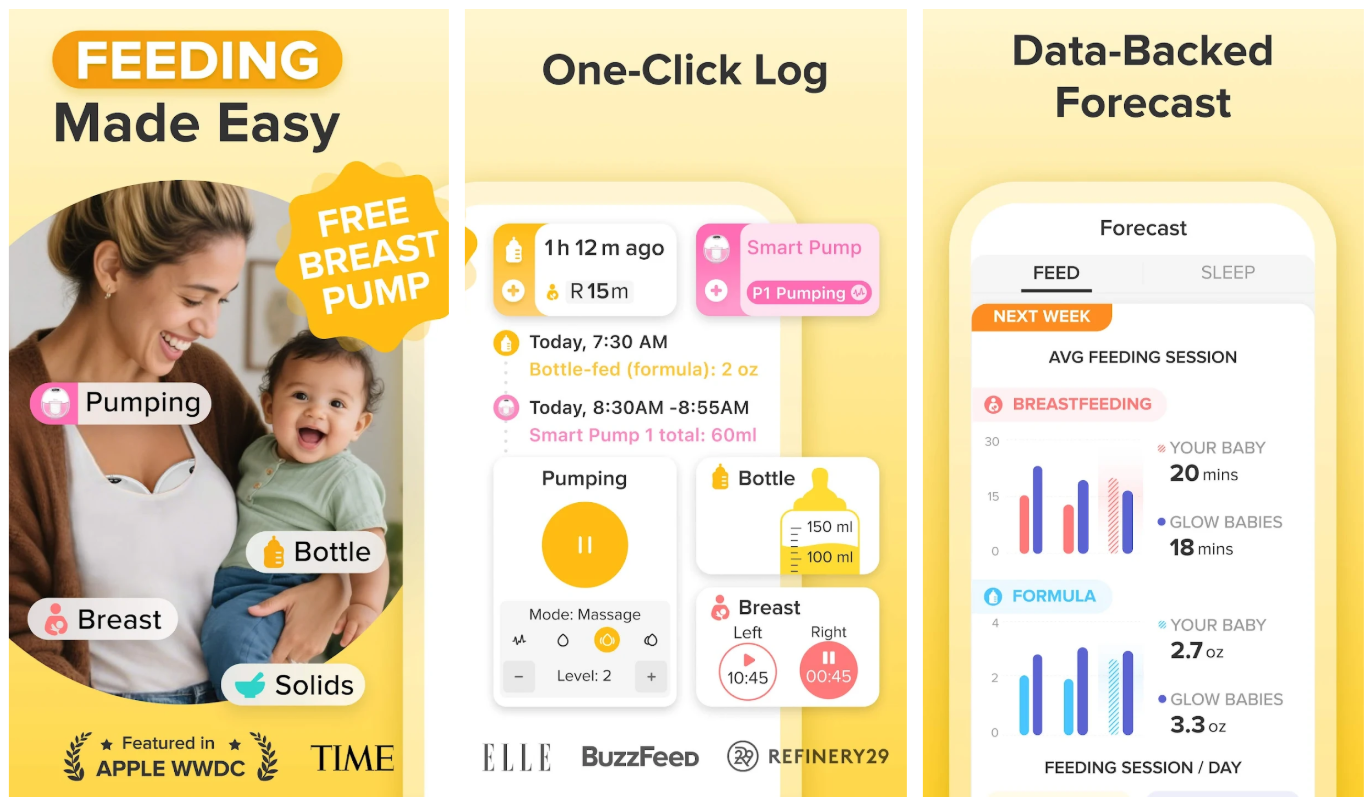
Today's featured opportunity: an anti-optimization parenting brand that packages low-pressure guidance into a subscription for burned-out parents. The model spans activity kits, editorial content, and community. Subscription plays in this niche routinely hit $20K–$100K MRR with lean teams, and the category has almost no direct competition.
Read the full playbook here:
Every parenting app tracks the child. The Surgeon General says the parent is the one drowning. A privacy-first mental health app built around burnout resets — no dashboards, no streaks — is a wide-open micro-SaaS idea in the wellness space.
From the Vault:
TikTok's PK Battle gifting economy moves billions annually but creator payouts are brutal. A livestream battle platform for dev, AI, and design streams is a wide-open micro SaaS opportunity with proven mechanics and no real competition.

Every prelaunch waitlist tool captures emails — none capture buying intent. This micro SaaS idea gives solo founders a 14-day validation OS that turns signups into build-or-kill verdicts backed by real deposits.


