


The internet was supposed to flatten geography. Everyone online, same feeds, same trends.
Then Axios drops data from Whatnot's 2026 Trends Report: five U.S. cities — Atlanta, Chicago, Dallas, Miami, Phoenix — are America's live‑shopping "trendsetters." These aren't engagement metrics. They're taste with a ZIP code.
- Atlanta's WNBA card purchases are up 7,300% since 2024
- Chicago turns into a mini commodities desk with platinum up 15,300%
- Phoenix goes maximalist K‑beauty with purchases up 3,250%

- Miami has the nation's highest per‑capita Labubu buying
- Dallas drives Western wear and aesthetic mashups: denim, vintage, Y2K
Turns out, the future doesn't arrive everywhere at once. It starts in cities where taste clusters form around live commerce, and "viral" is what happens after local gravity builds — the scenes, inside jokes, repeat customers who show up before everyone else notices.
Before we ask "What's trending?", find out "Where is it trending first, and why there?"
Once you map that, the constraint becomes clear. You can source inventory. The platform tech exists. What you can't easily find is someone who turns attention into trust in 30 seconds while performing for a scrolling crowd. Brands lack this talent. Creators who can do it don't want the operational grind of scheduling across platforms, compliance, quality control. Platforms don't want to manage talent at scale.
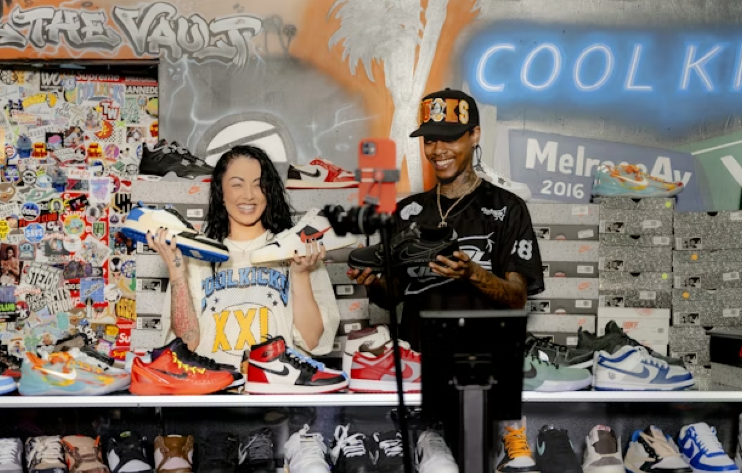
Today's Featured Opportunity: build a Live Host Guild — a managed talent system that recruits, trains, books, and performance‑compensates hosts who sell on‑camera across Whatnot, TikTok Shop, and Shopify Live. A standard for live commerce talent. A repeatable host factory with a take rate, starting in the cities where trends originate.
Read the full playbook here:

Whatnot hit $6B GMV, but live streams remain tiny. The bottleneck isn't tech—it's talent. Build the guild that plugs hosts into inventory-rich merchants.
From the Vault:

A YouTuber democratized tissue culture and crashed rare plant prices. The real money moved upstream to kits, skills, and infrastructure.

Animoca just validated curated knowledge collections with institutional money. The boring SaaS version could capture recurring revenue without blockchain complexity.


