


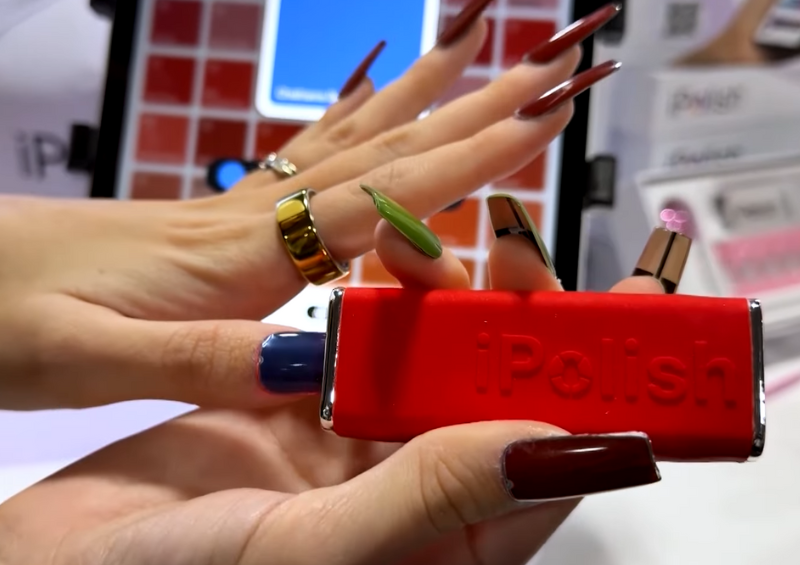
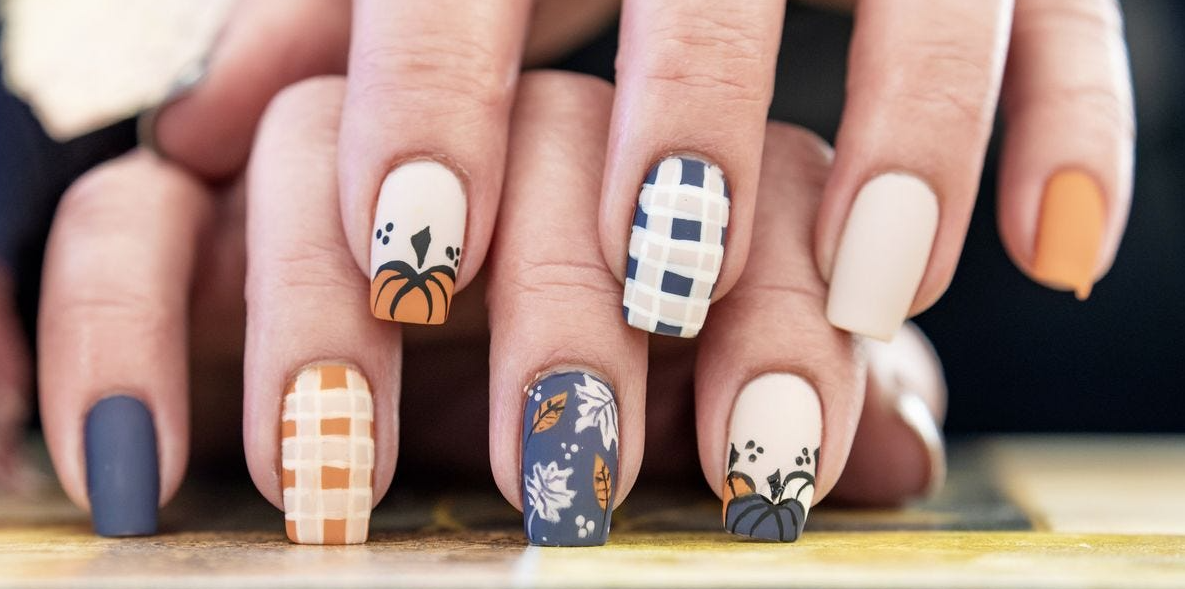
At CES 2026, a booth showed off press-on nails that flip through 400 colors in seconds via Bluetooth. Starter kit: $95. Preorders open, shipping June 2026.
Most people walked past thinking "cute gimmick." They missed the setup. When programmable surfaces hit impulse-buy pricing, the content layer becomes the constraint. iPolish's app-controlled nails aren't the opportunity—the infrastructure gap is. Screens are moving onto bodies and nobody's built the content rails yet. Get this right and you're looking at $1M+ revenue in year one, $5M+ by year two.
But only if you scope it narrow at first. This isn't "build the OS on day one" territory. It's "prove the wedge, then own the category."
The e-paper display market hit $2.8 billion in 2024 and is growing toward $7-8 billion by 2030 at roughly 17% CAGR—mostly shelf labels, e-readers, and signage, but fashion-tech is starting to creep in. Smart clothing sits at $2.5-6 billion today (estimates vary) and is projected to hit $20-40 billion by 2033. BMW announced color-changing E-ink car exteriors as a design experiment for limited production.
Hardware is scaling. Content infrastructure isn't keeping pace. You've seen this before: pre-App Store, pre-Spotify, before Fortnite turned skins into a $5 billion annual business. Someone will own the format, the creator graph, and the distribution rails for programmable surfaces.
Right now? That company doesn't exist.
Why Hardware Alone Fails (Don't Build "An App Store for iPolish Nails")
Build a marketplace that only works with one brand's nails and you're selling sticker packs inside someone else's walled garden. Three existential risks kill this approach:
Vendor capture: iPolish locks down APIs, changes terms, or builds the marketplace themselves. You become a feature request instead of a platform.
Surface constraint: Nails are tiny. Your addressable market caps at whatever one product category can sustain.
Feature exhaustion: Once the novelty fades, "more patterns" isn't a moat. Users need fresh reasons to engage. Single-device platforms run out of road fast.
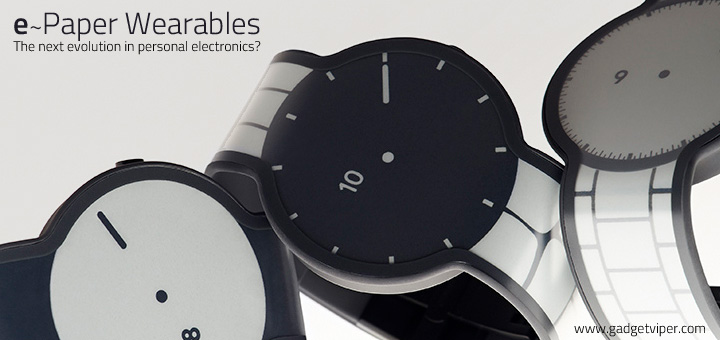
Companies that win hardware transitions don't build for one device. They build for the category. But they start with one wedge and prove it works.
Why This Moment Matters
Hardware economics flipped
E-paper displays are scaling from niche to mass-market pricing. The technology is growing at 17% CAGR from 2024 toward 2030, driven primarily by electronic shelf labels (the workhorse application), e-readers, and digital signage. E Ink Holdings is spinning up large-format production facilities in China, scaling from tiny ESLs to 75-inch displays. Electrophoretic displays—the dominant E-ink technology—held 79% of the market in 2024, with costs dropping as manufacturing scales.
iPolish selling programmable nails for $95 proves the threshold has been crossed. This isn't lab tech anymore. It's impulse-purchase consumer electronics with mainstream press coverage and preorder traction. Spare nails cost $6.50. That's toy-store pricing for programmable hardware.
E Ink explicitly markets its Prism product line as "dynamic surfaces" for designers to pattern and combine. Hardware makers know they're shipping blank canvases. They haven't figured out what users want to put on them. That's where you come in.
Fashion-tech moved from concept to commerce
Smart clothing hit $2.5-6 billion in the mid-2020s (base year estimates vary by source) and is projected to reach $20-40 billion by 2033. North America drives a significant chunk of the market, with fitness and sports leading adoption. Most current revenue comes from sensors-in-garments—think fitness trackers woven into shirts—but ultra-smart textiles (adaptive, responsive displays) are the fastest-growing segment.
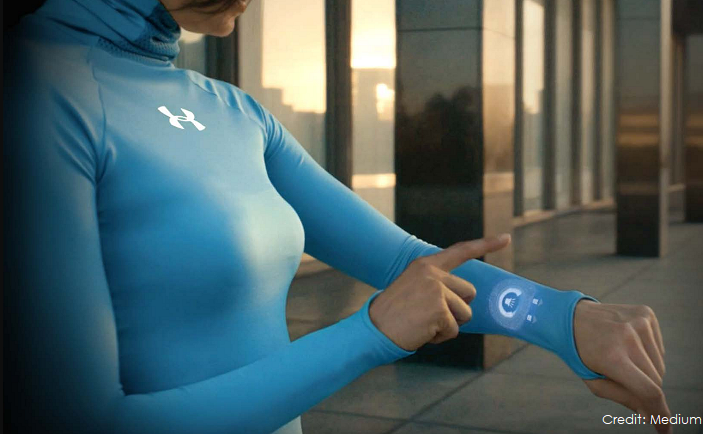
Fashion-tech isn't theoretical anymore. Wearables became normalized consumer behavior. The cultural acceptance is already there. The question is what surfaces become acceptable to make dynamic. Nails are a natural first test—small, personal, changeable, already a $10 billion industry where people pay for self-expression.
Digital beauty became habitual
Beauty tech reached $66 billion in 2024. AR beauty applications—virtual try-ons, filters, makeup simulation—generated $20 billion in 2024 and are projected to hit $54 billion by 2030 at an 18% CAGR.
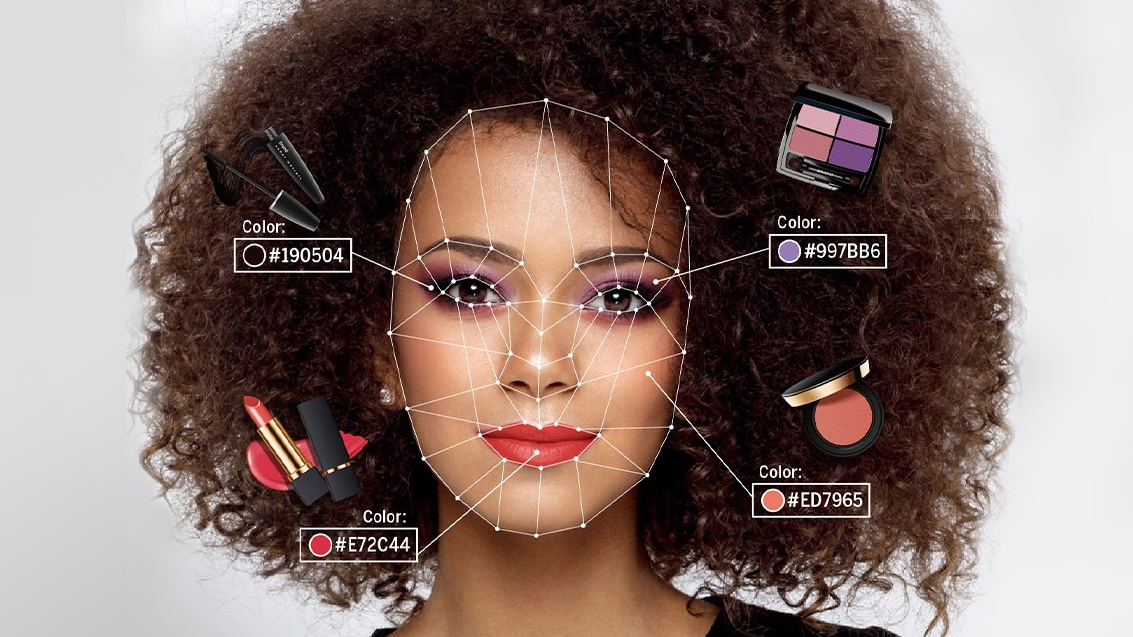
Consumers already pay for "digital layers" in beauty. The behavior is trained. It's just been trapped in cameras and screens. Now it's moving onto bodies. Users are comfortable experimenting with looks virtually. That lowers the conceptual barrier to dynamic physical styling.
The habit exists. The hardware is becoming affordable. The surface area is expanding. That's your timing window—but you need to prove users will actually change their nail patterns often enough to justify a subscription model.
The Trap vs. The Play
Building a marketplace exclusively for one brand's nails creates structural vulnerabilities. If iPolish pivots, acquires a competitor, or decides to internalize content, your business evaporates. Nails are a small canvas with constrained use cases—your upside caps early. After launch excitement fades, you're stuck shipping "more of the same" without expansion paths.
The better play: Think Fortnite skins, but physical. You're not selling nail art. You're building the format standard + creator marketplace + cross-device SDK for any low-power display surface that lives on bodies.
But here's the discipline required: You don't build "Dynamic Skins OS" on day one. You treat the category-OS vision as a hypothesis to validate, not a given. You start with one surface, prove three things work (demand, creators, OEM interest), then expand.
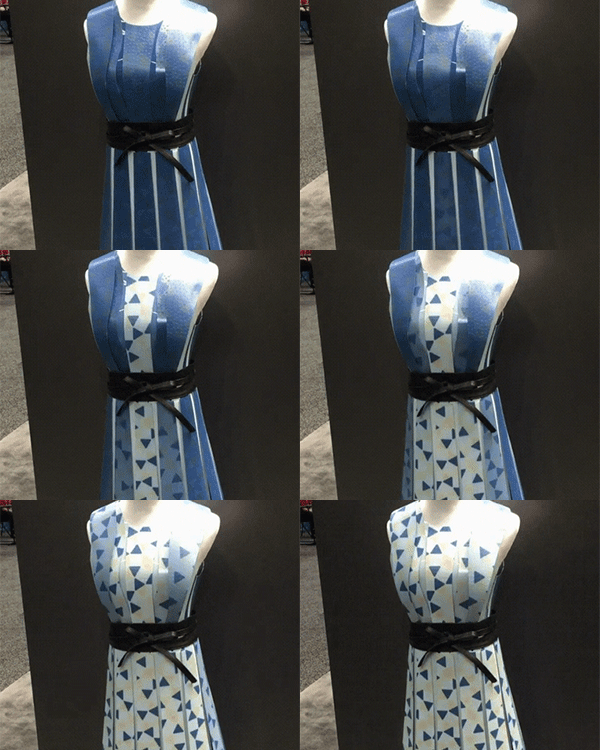
The product is a file format, creator tools, distribution infrastructure, and device integrations that let programmable surfaces display dynamic content—across nails, patches, bag panels, straps, jacket inserts, and future surfaces we haven't seen yet. But you get there by proving the wedge first.
Your platform answers one question for hardware makers: "Cool—we shipped a screen. What do users actually put on it?"
Hardware makers are great at manufacturing and battery life. They're usually terrible at creator tools, content moderation, licensing + monetization, trend response, and "drops" culture. That gap is your opening.
Two Timelines
Quick Heist (6-12 months to $1M):
Unlock the Vault.
Join founders who spot opportunities ahead of the crowd. Actionable insights. Zero fluff.
“Intelligent, bold, minus the pretense.”
“Like discovering the cheat codes of the startup world.”
“SH is off-Broadway for founders — weird, sharp, and ahead of the curve.”


