


In 1770, a chess-playing robot defeated Napoleon.
For 84 years, the Mechanical Turk toured Europe and America—crushing nobles, statesmen, and Benjamin Franklin. Audiences marveled at the clockwork genius inside the cabinet. The machine that could think.
Plot twist: there was a guy in there. A chess master crammed into a hidden compartment, pulling levers.
The hoax worked because people wanted to believe machines could think. The spectacle of automation was more seductive than the truth.
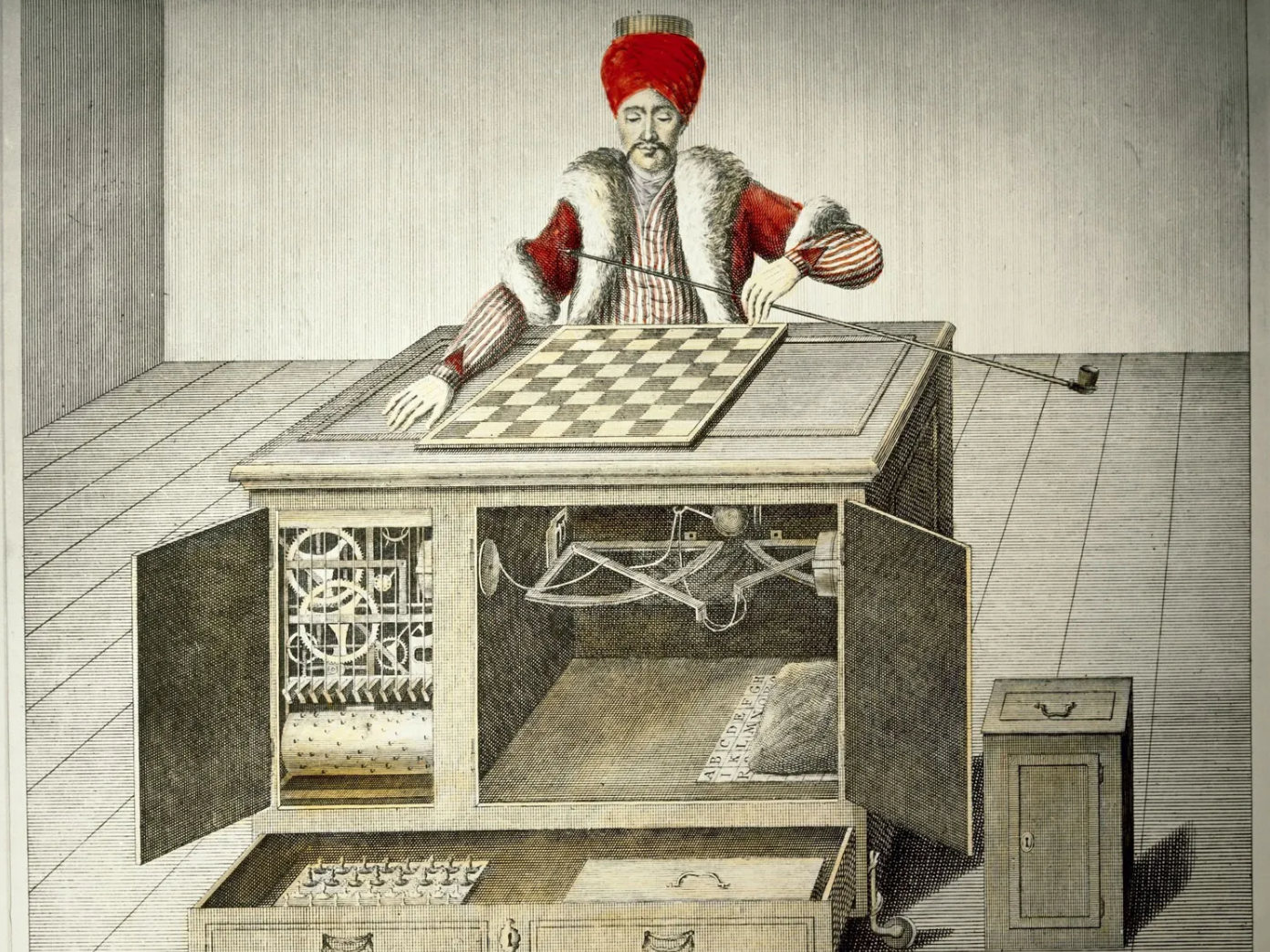
Two centuries later, Amazon borrowed the name for their crowdsourcing platform—humans doing tasks that look like AI. Jeff Bezos called it "artificial artificial intelligence."
Here's the pattern: First we built machines that pretended to be human. Then we built platforms where humans pretend to be machines.
Now we need the inverse: proof that the human isn't the machine.
The Turk's descendants are coming for that problem. And Jack Dorsey just placed his bet.
Last week, Dorsey funded diVine—a Vine reboot that bans AI content entirely. Within four hours, 10,000 people hit the waitlist. The platform uses Guardian Project tech to verify every video was shot on an actual smartphone. No deepfakes or synthetic clips. No AI avatars cosplaying as your neighbor.
This isn't nostalgia. It's infrastructure.
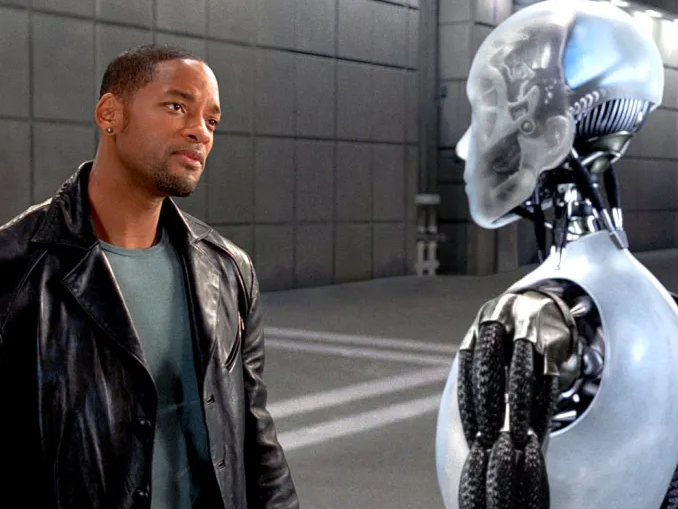
Identity verification sits at $20 billion today, racing toward $60 billion by the 2030s. Sam Altman's World has 12.5 million people scanning their eyeballs to prove they're human. Persona just raised $200 million. Money's flooding into "proof of human" like it's the new SSL certificate.
But nobody owns the consumer layer yet. The WeChat of human-only spaces. The "Intel Inside" sticker for authentic communities.
That's the gap.
Read the full playbook here:

Jack Dorsey's funding anti-AI platforms while identity verification hits $20B. The infrastructure for human-only spaces is missing its consumer layer.
From the Vault:

Hybrid workers skip breakfast 39% of the time, eating at desks when they do—creating a TikTok-native convenience play beyond traditional CPG channels.
Pinterest trained 522M users to shop by aesthetic, but creators can't monetize this behavior outside walled gardens. The embed economy awaits.


