


In May 2011, an EF5 tornado erased a third of Joplin, Missouri. It killed 158 people, injured over a thousand, caused $2.8 billion in damage.
Both Waffle Houses stayed open.
FEMA Administrator Craig Fugate flew in, surveyed the wreckage, and coined a term that became federal shorthand for disaster severity: the Waffle House Index. Green means full menu—you're fine. Yellow means limited menu—things are bad. Red means closed.
If Waffle House is closed, Fugate said, "that's really bad. That's where you go to work."

Here's the quiet insight nobody talks about: Waffle House didn't survive by luck. They survived by knowing what everything costs to replace and where to get it fast. Standardized equipment. Backup generators on speed dial. A storm playbook revised every year. Their supply chain was a weapon, not a liability.
Most restaurants don't have this. When disaster hits—or when they just close—they're bidding blind on Craigslist while the clock bleeds $5K daily in lost revenue.
The Waffle House Index isn't really about waffles. It's about information asymmetry. Who has it. Who doesn't.
That asymmetry is about to get expensive for someone—and profitable for someone else.
Red Lobster just shuttered 100+ locations. TGI Fridays filed Chapter 11. Twenty-one restaurant chains went bankrupt in 2024 alone. Denny's is closing 150 spots by end of 2025. Mountains of commercial kitchen equipment are flooding the secondary market.
The used restaurant equipment market hit $24 billion last year. It's growing toward $43 billion by 2035. And it still trades like a 1970s flea market—Craigslist photos, trust-me-bro pricing, three-week negotiation cycles.

Meanwhile, some ex-Goldman analyst quit her job to sell Pokemon cards using a real-time bid/ask system. Y Combinator backed it. She's doing $40K a month.
The play: build the stock exchange for commercial kitchen gear. Standardized grading like PSA does for baseball cards. Instant liquidity. Real-time pricing. Become the Bloomberg Terminal for ovens—the place banks reference for equipment loans, insurers use for claims, and operators trust when the clock is ticking.
Someone's going to own the pricing tape for a $43 billion market. Might as well be you.
Read the full playbook here:
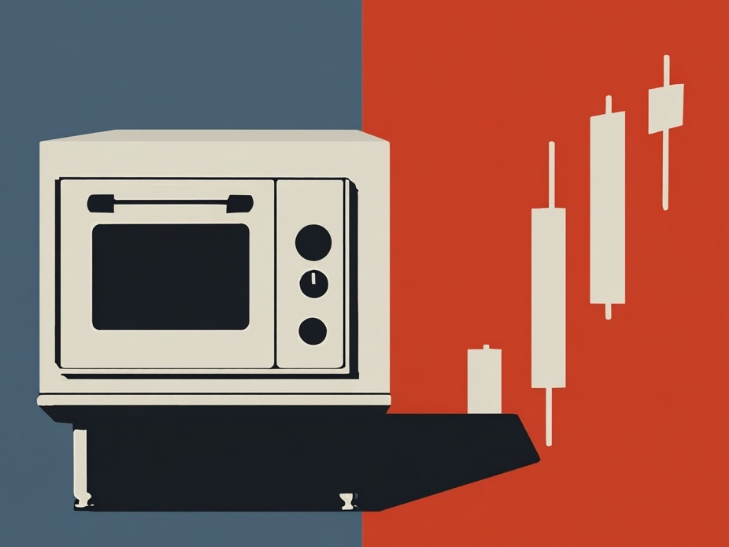
Restaurant liquidations hit record highs while secondhand equipment trades like a 1970s flea market. The pricing chaos creates a massive arbitrage opportunity.
From the Vault:

Discord locked paid subscriptions to U.S. only. Telegram's 1B global users need payment optimization. The infrastructure exists. The gap is execution.
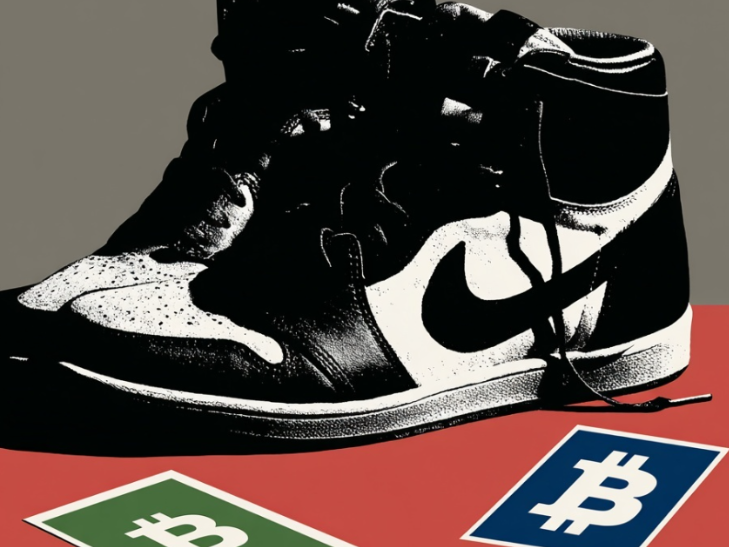
Lore's $1.1M validates context infrastructure for obsession economies. Crypto analysts manually stitch narratives for hours. Build the canonical layer.


