


If aliens landed in a supermarket, they wouldn't study the aisles. They'd go straight to the corners.
Those little end caps take up maybe 5–10% of the floor. But they quietly move a disproportionate chunk of the goods. Retail studies show that sticking a product on an end cap nearly doubles visibility and can spike sales by a third—without changing the product at all.
Same cereal, same packaging, same brand. You put them on a different patch of linoleum, dramatically different outcome.
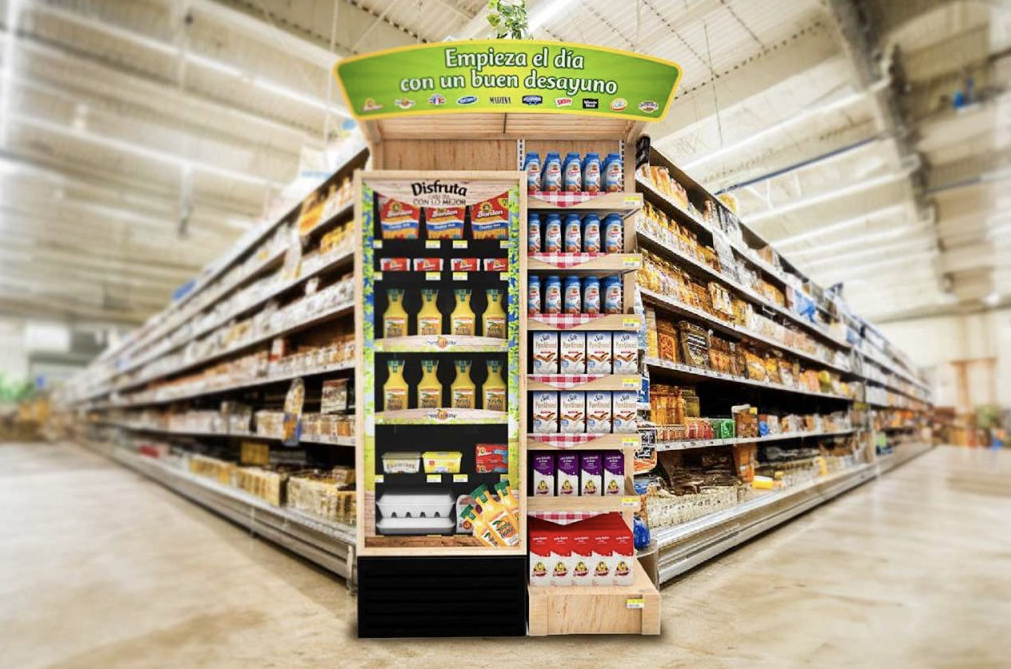
Business is spatial. We like to think we're choosing based on taste or research or loyalty. But a huge share of purchases are impulse decisions made in two seconds at the edge of an aisle. The map of the store is the pricing power. The shelf is just the user interface.
You see the same pattern everywhere. On Amazon, page one is the end cap. On TikTok, the For You feed is a digital end cap. The product matters. But the slot is the asset.
So what if you didn't just rent an end cap—what if you owned a fleet of them?
Right now, airports and premium malls are quietly replacing dusty snack machines with glowing micro-stores. K-beauty kiosks selling $24 sheet masks. Tech machines moving $35 power banks. Pop-Mart-style blind-box collectibles that flip for multiples on resale.
Each machine is a private end cap with better margins and 24/7 foot traffic.
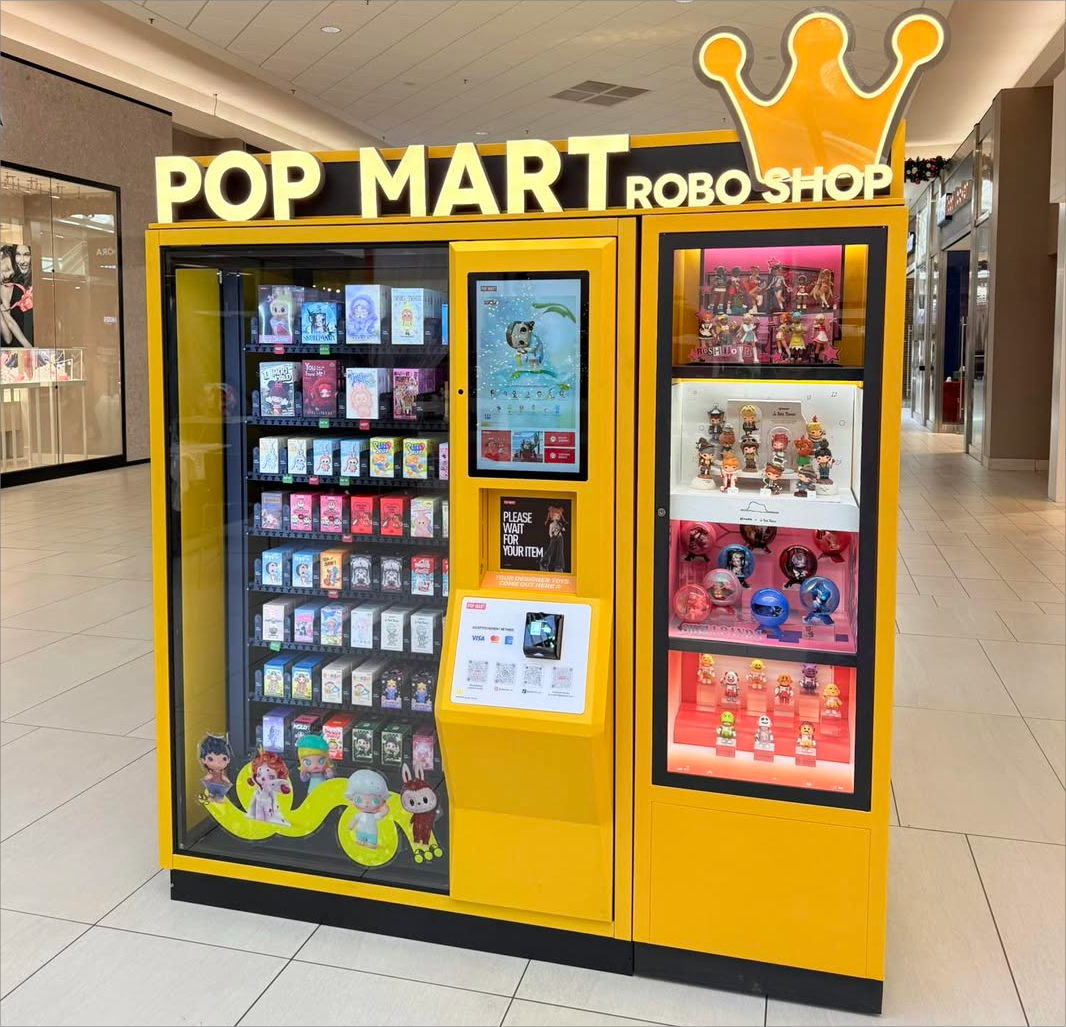
The play: stop fighting over $2 chips in break rooms. Build a network of non-food, high-margin vending machines in places where people are rushed, wealthy, and a little desperate.
A 5–10 machine route can realistically replace a salary if you pick the right categories and locations. But the machines are just nodes. The real company is the operating system that tells brands what to stock, where to put it, and when to refill.
The shelf is the asset. Vending just lets you own more of them.
Read the full playbook:
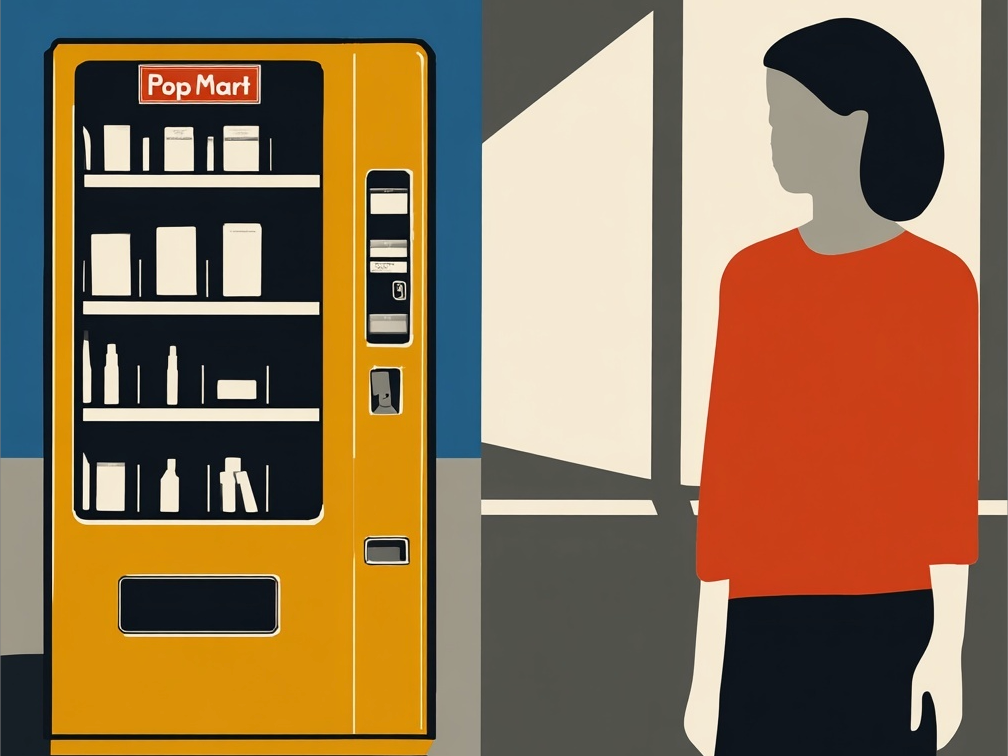
Beauty, tech, and collectibles vending hit $17.7B, tracking to $53B by 2035. Most operators don't know it exists.
From the Vault:
NECF just launched a "trading desk" for idle broadcast capacity. The neighborhood layer—churches, coworking rooms, indie studios—remains wide open.

Zillow killed consumer climate scores. But behind closed doors, utilities and lenders face $458B in mandated compliance workflows—with no execution layer.


