


For nearly forty years, the Serbian Crown fed wealthy northern Virginia. Then in early 2012 the weekend crowd just stopped showing up. A 75% drop, almost overnight. Rene Bertagna cut staff and stood at the door on Saturday nights trying to work out what he'd screwed up.
He hadn't screwed up anything. Somebody, possibly a rival, had gone into the restaurant's Google Maps listing and marked it closed on Saturdays, Sundays, and Mondays. Its three busiest days. Bertagna barely used the internet, so he found out only when a regular called to ask why the place had stopped opening on weekends.
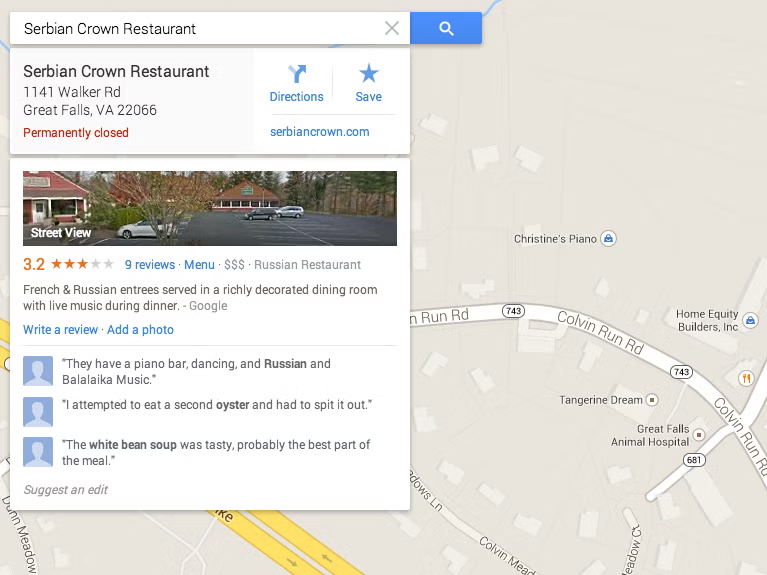
By then it was over. He closed for good in April 2013 and sued Google for $1 million. Google called the claim meritless. Whatever the court made of that, forty years of goodwill was already gone, killed by one wrong field in a database the owner didn't know existed.
That was one field on one platform in 2012, back when you could at least go look at it. Now 22% of American diners ask ChatGPT or Gemini where to eat, and the models build those answers out of the same messy pile of listings, menus, and hours that buried the Serbian Crown. When's the last time you heard of an owner checking what the machines say about their own place? Most have never looked once.
Which is today's featured idea: an AI mystery shopper for restaurants. You ask the models what real diners ask, catch the wrong hours and the gluten-free menu ChatGPT swears you don't have, trace each bad answer back to the broken record behind it, fix the record, then check that it stays fixed. Yext found 86% of what AI cites about a business lives in sources that business already controls, so the fixes actually hold. Thirty clients on monitoring at $325 a month is $9,750 MRR, and cleanup sprints on top put a solo operator near $220K a year. Not bad for telling people what a robot says about their lasagna.
Read the full playbook here:
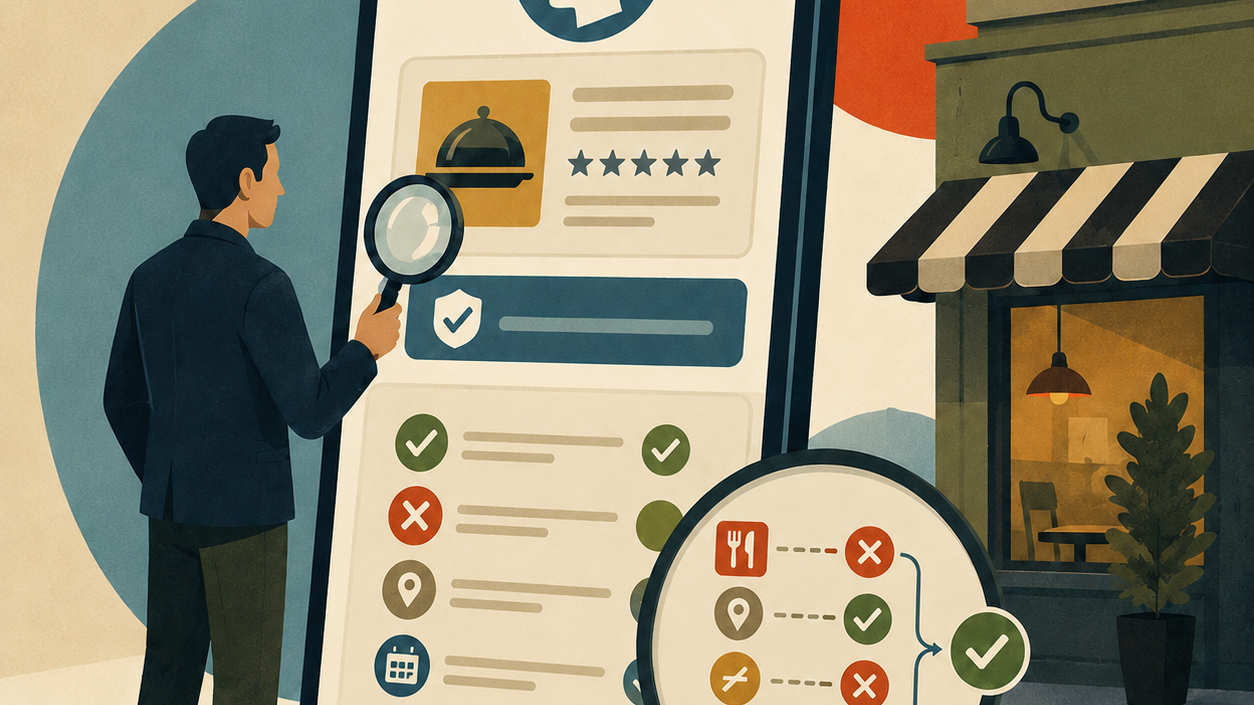
Twenty-two percent of diners now ask AI where to eat. Most restaurants have no idea what ChatGPT and Gemini say back, or which broken listing is to blame.
From the Vault:
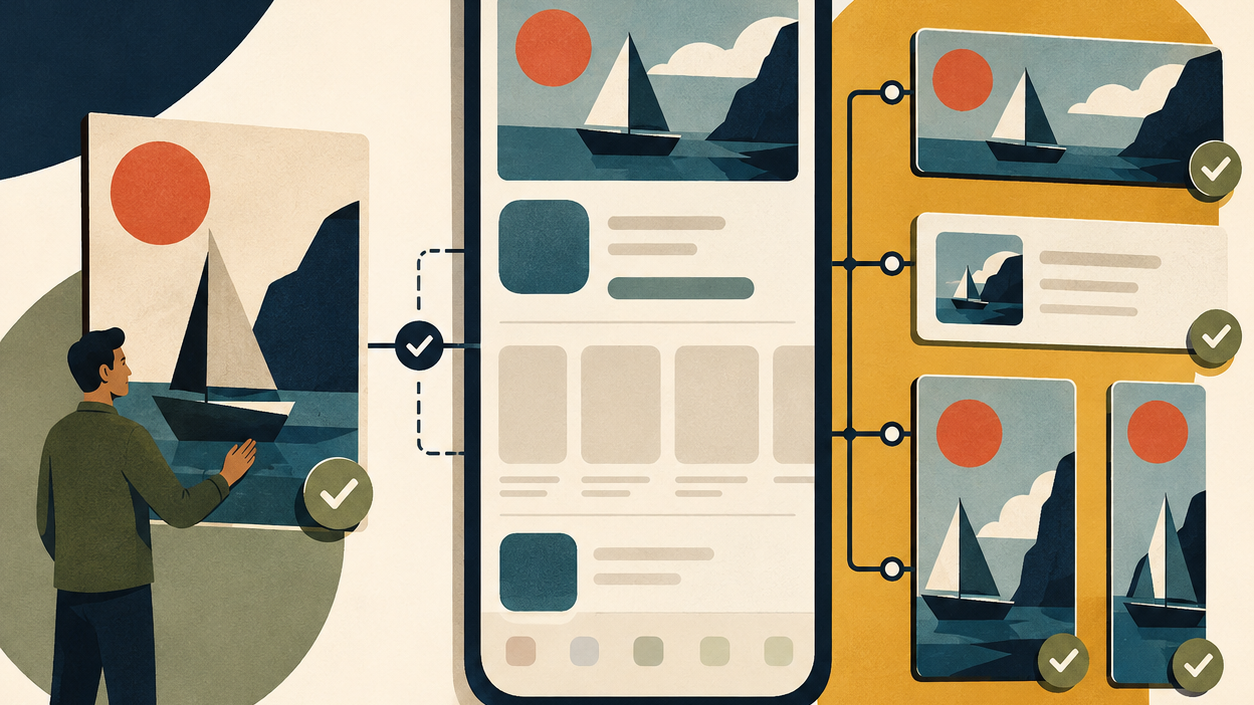
Apple's fall Creative Assets rollout splits App Store creative from app releases, leaving ASO agencies to coordinate 50 localizations and 70 custom product pages with no software built for it.
Airbnb publishes its ranking factors but never confirms whether your listing appeared in a given search. Hosts edit blind, guess wrong, and blame shadowbans. Someone should be selling the logs.


