


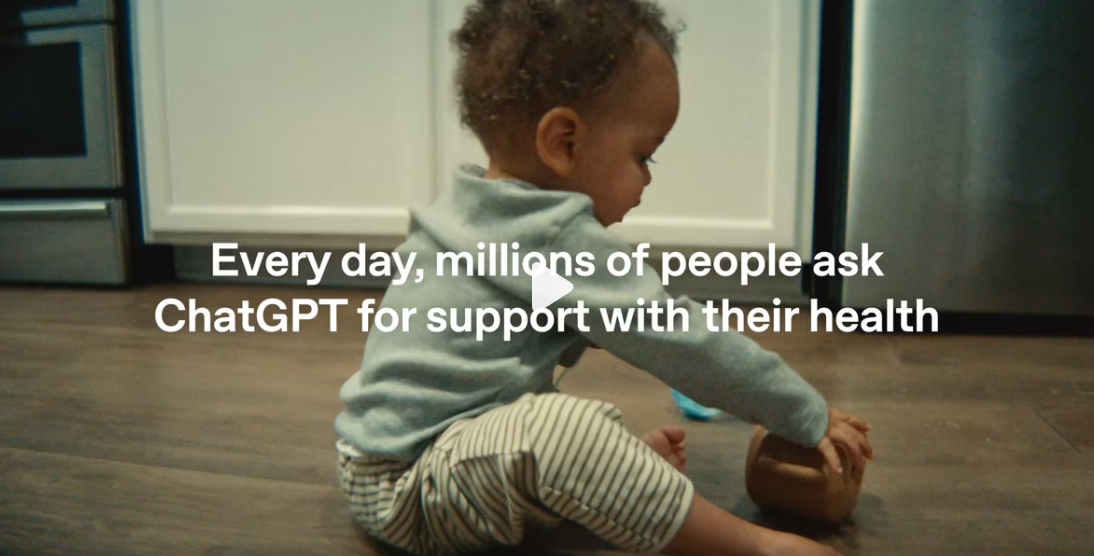
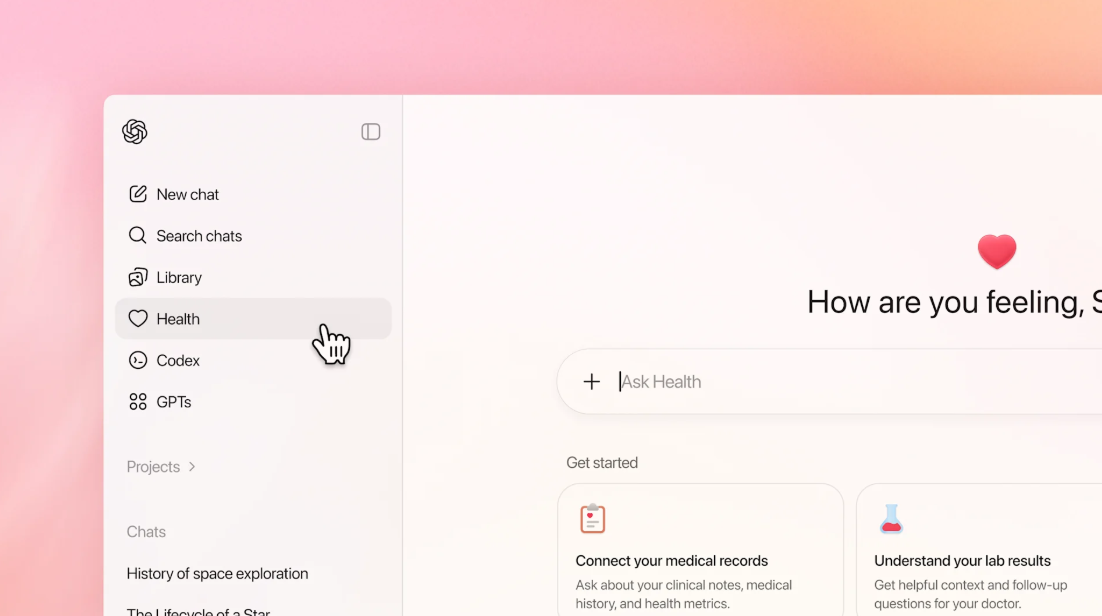
On January 7, 2026, OpenAI launched ChatGPT Health behind a waitlist. The feature connects medical records, Apple Health data, and wellness apps to help users "prepare for doctor appointments." Hundreds of millions of people already ask ChatGPT health questions every week—over 230 million weekly health queries globally, according to OpenAI—and now they have a dedicated tool.
But OpenAI explicitly warns users that ChatGPT Health is "not intended for diagnosis or treatment." The company spent two years building something, partnered with 260 physicians across 60 countries, integrated with b.well's entire U.S. healthcare data network, then shipped it with a giant disclaimer: "don't actually use this for medical decisions."
That disclaimer isn't a liability hedge. It's a product admission. OpenAI knows the real bottleneck in healthcare isn't AI comprehension. It's the chaotic 15 minutes before your doctor says "next."
Here's the opportunity: bootstrap to $100K MRR in 12 months by owning the one artifact OpenAI won't build—the doctor-native, patient-controlled visit brief. First revenue in 60 days. Position for a $20-40M vertical SaaS exit in 24-36 months, or raise $500K-1M and chase the $23.1B AI patient engagement market maturing by 2030.
The wedge isn't "better AI." It's the format doctors request by name.
The information exists. The format doesn't.
Every year, Americans complete roughly 1 billion doctor visits. Each one starts the same way: a human being with a messy medical history trying to explain it to a professional who has three minutes of attention before the next fire starts.
Industry estimates suggest poor communication, missed diagnoses, and wasted visits cost the U.S. healthcare system over $200 billion annually. Whether that number is $150B or $300B doesn't matter. The directional truth is obvious: unprepared patients waste everyone's time.
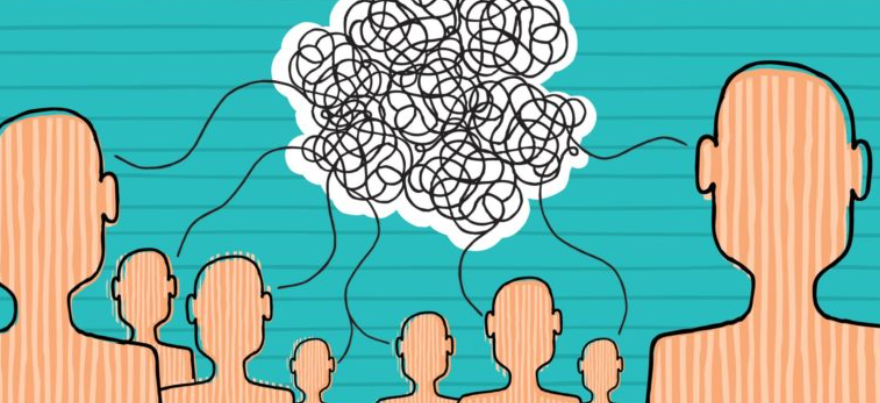
Doctors are trained on structure: HPI (history of present illness), problem lists, timelines, objective signals, meds and allergies. Patients show up with chaos: vague symptoms, forgotten dates, screenshots of Google searches, and a list of questions they'll forget to ask.
OpenAI just validated that 200 million people per week are already trying to solve this problem with ChatGPT. They're solving it wrong because the output format is still a conversation, not a clinical artifact.
The data that changed everything
On January 6, 2026, OpenAI published an 18-page report with numbers that should make every healthcare founder sit up straight.
What OpenAI shared publicly:
- Over 230 million health and wellness queries per week globally
- Health-related questions are one of ChatGPT's most common use cases
- 70% of health conversations happen outside normal clinic hours
- In rural "hospital deserts" (areas 30+ minutes from a hospital), demand for health assistance is particularly high
OpenAI didn't publish the exact daily user counts or percentage breakdowns, but industry observers estimate health queries represent roughly 5% of all ChatGPT usage. With ChatGPT's scale, that translates to tens of millions of people using AI for health questions daily.
This isn't people using AI for fun. This is systematic evidence of a broken healthcare interface.
The timing matters. According to a December 2024 Gallup poll, only 44% of U.S. adults rate healthcare quality as excellent or good. That's the lowest rating since 2001. More than half (54%) say it's only fair or poor.
People aren't turning to ChatGPT because AI is cool. They're turning to it because the alternative is unusable.
Why existing "patient engagement" software missed this
The patient engagement software market is massive: $27.63 billion in 2024, projected to hit $86.67 billion by 2030. AI-driven engagement specifically is growing at 21.2% CAGR to reach $23.1 billion by 2030.
But look at what these tools actually do:

Unlock the Vault.
Join founders who spot opportunities ahead of the crowd. Actionable insights. Zero fluff.
“Intelligent, bold, minus the pretense.”
“Like discovering the cheat codes of the startup world.”
“SH is off-Broadway for founders — weird, sharp, and ahead of the curve.”


