


In the early 1950s, a group of MIT psychologists asked students in a new housing complex, Westgate, "Who are your closest friends here?"
The students had been more or less randomly assigned to apartments. The buildings weren't glamorous—standard student blocks, repeated stairwells, identical doors. Leon Festinger, Stanley Schachter, and Kurt Back were explicitly interested in how physical layout shapes social life.
When they mapped the answers, a pattern emerged. Most friendships weren't between people with the same hobbies or backgrounds. They were between people whose doorways were close together: same floor, next unit, same little cluster by the stairs. Residents who lived near stairwells and other high-traffic spots showed up as informal "social hubs," simply because more people passed them every day.

Later writers labeled this the propinquity effect—we form strong ties with the people we encounter most often. The popular shorthand, "friendship is a function of propinquity," is more paraphrase than direct quote, but it captures the core idea.
Personality and choice still matter. Proximity doesn't guarantee friendship, but it sets the default options. Architecture quietly tilts the odds.
Here's what that means: a big part of your network reflects who shares your hallway, your stairwell, your commute more than it reflects your taste. We imagine we chose our relationships through pure intention. The Westgate data tells a different story—the environment surfaces certain people, then we choose from that pre-selected set.
Office seating charts start to look like future org charts. Floor plans reveal social graphs. Cities and campuses become recommendation engines that never identify themselves as such.
Over the past decade, we've rebuilt Westgate in software—feeds, follow graphs, dating apps—trying to simulate proximity through notifications and push alerts. The online dating business is now worth billions, yet surveys consistently show majorities of users reporting emotional exhaustion.
At the same time, something older is making a comeback. Singles-focused run clubs in cities like New York and London draw hundreds of people weekly. Coverage from CBS, Glamour, and Harper's Bazaar describes them as de facto dating hubs for burned-out app users. Even Tinder has tested this territory, partnering with running app Runna on limited "SoleMates" 5k events for singles.

No one has proven a Westgate-style causal diagram for these runs. But the pattern rhymes: same route, same time, same faces, week after week. Functional proximity, rebuilt outdoors.
Today's Featured Opportunity takes that seriously. Instead of asking, "How do we build a better profile?" it starts from a different question:
What if the product is the hallway itself—and the hallway is a running route?
Read the full playbook here:
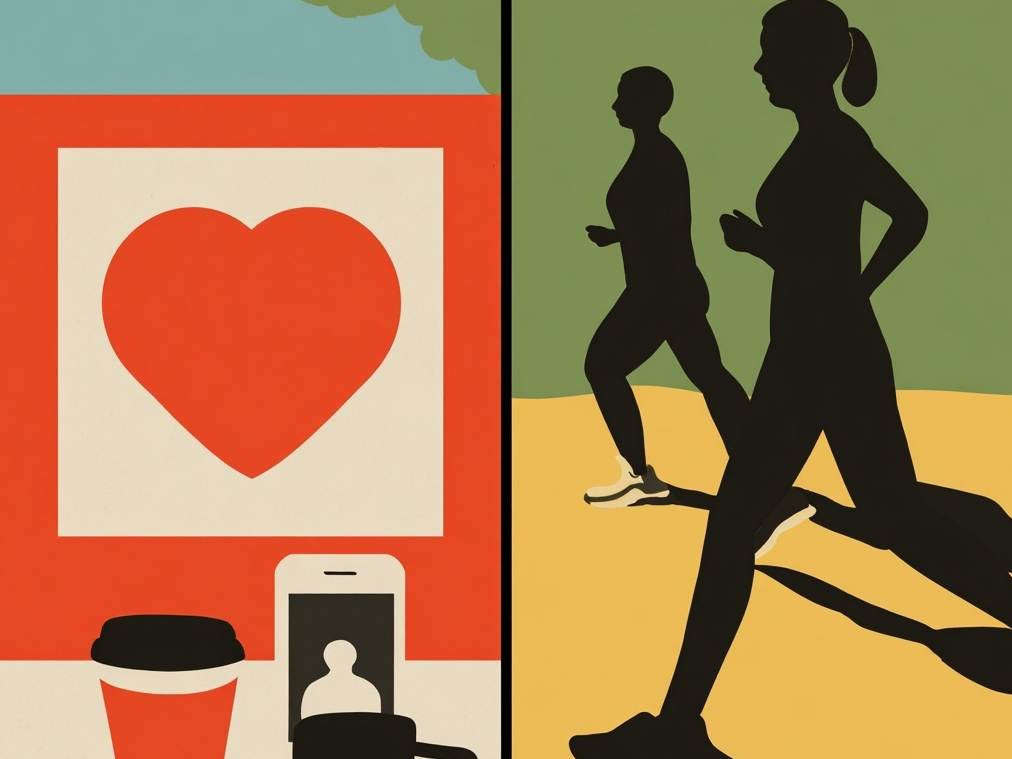
Dating apps hit $6B while 78% of users burn out. Singles run clubs sell out instantly. Infrastructure demand is emerging.
From the Vault:

Leadership development hits $82B annually while 60% of new managers fail. PwC validated VR training works—nobody owns the simulation layer yet.

Jimdo's AI assistant increased customer outcomes 40% by recommending actions, not reporting data. Nail salons need vertical AI GMs they can afford.


