


Fortune 500 companies lose $31.5 billion per year because nobody can find the decision that was made six months ago. The answer exists—buried in Slack thread 847, cross-referenced in Jira ticket 2,391, with the actual rationale living in a PR comment from someone who quit in November.
Dev teams with 50-500 engineers will pay $1,500-$20,000 per month for governed project memory that prevents the $500K incident triggered because nobody remembered the decision from 2023.
The market opportunity isn't better retrieval—it's memory governance at the infrastructure layer.
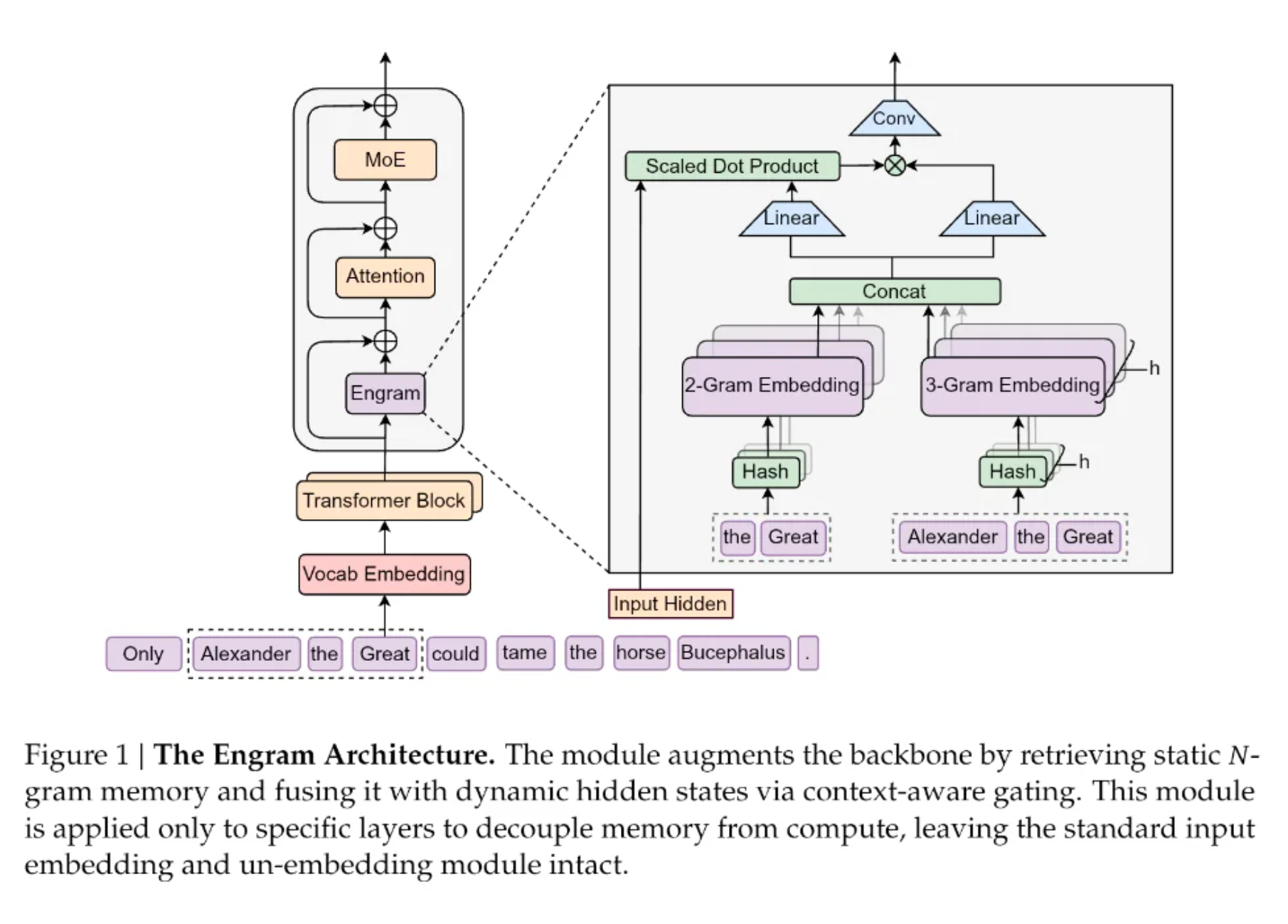
DeepSeek's January 2026 Engram research proves the direction of travel: memory and compute can be architecturally separated. Their conditional memory module offloads a 100-billion-parameter knowledge table to regular system RAM with under 3% throughput penalty, achieving 97% accuracy finding needles in haystacks versus 84% for traditional approaches. Memory capacity now scales independently from GPU compute.
When memory becomes a first-class primitive in AI architecture, the bottleneck shifts upstream. The constraint isn't how much the model can hold—it's what should be remembered, who controls it, and how to prove it's correct. That's a governance problem, and nobody's built the layer that solves it.
RAG's Governance Gap
RAG adoption exploded 400% since 2024. Sixty percent of production LLM applications now use retrieval-augmented generation. Companies report 25-30% cost reductions and 40% faster information discovery.
But 40-60% of RAG implementations fail before reaching production. The issue isn't retrieval quality or vector similarity—it's governance and provenance. Every compliance officer asks the same question: "Why did the AI say that, and who approved the source?"
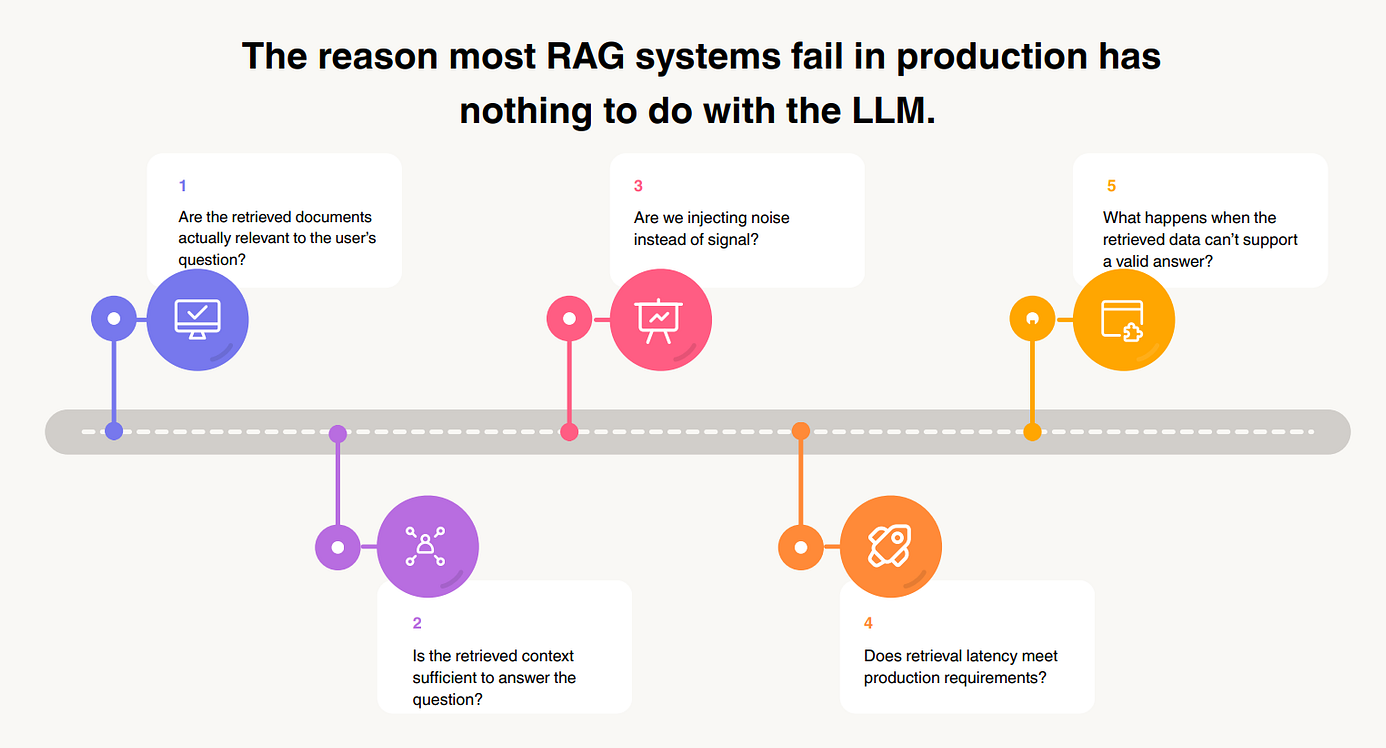
Current RAG systems index documents. They don't understand events.
Your company doesn't run on documents. It runs on decisions. "We killed Feature X because the customer complained." "We chose Architecture Y after the incident showed Z." "Legal said we can't do this, engineering said we can, product broke the tie."
These aren't static facts. They're temporal, attributed, and contextual. The winning RAG platforms will be those that treat state, events, and governance as first-class primitives. You can build that foundation now rather than bolt it on later.
Event-Sourced Memory as Infrastructure
The naive play is building another RAG wrapper with better embeddings. The category-creating move is event-sourced memory as infrastructure.
Not "here's your Slack messages as vectors," but "here's a governed timeline of decisions, incidents, requirements changes, and dependency shifts—with attribution, access control, and audit trails."
The architecture:
Unlock the Vault.
Join founders who spot opportunities ahead of the crowd. Actionable insights. Zero fluff.
“Intelligent, bold, minus the pretense.”
“Like discovering the cheat codes of the startup world.”
“SH is off-Broadway for founders — weird, sharp, and ahead of the curve.”


