


In the early 1990s, psychologists Daniel Kahneman and Donald Redelmeier ran a bizarre experiment during colonoscopies—not to study medicine, but memory. They found that patients didn’t judge the procedure by its duration or total pain. They judged it by one spike and how it ended.
A single bad moment outweighed an hour of mild discomfort. A gentler ending rewired the entire memory into something “not that bad.”
It became the Peak-End Rule—the idea that humans don’t store experiences accurately. We store the peak and the finish.
Think from your own experience:
One rude waiter ruins a great restaurant. One confusing screen kills an otherwise solid app. One "ugh, nothing here fits my diet" resets a shopper’s loyalty in seconds.
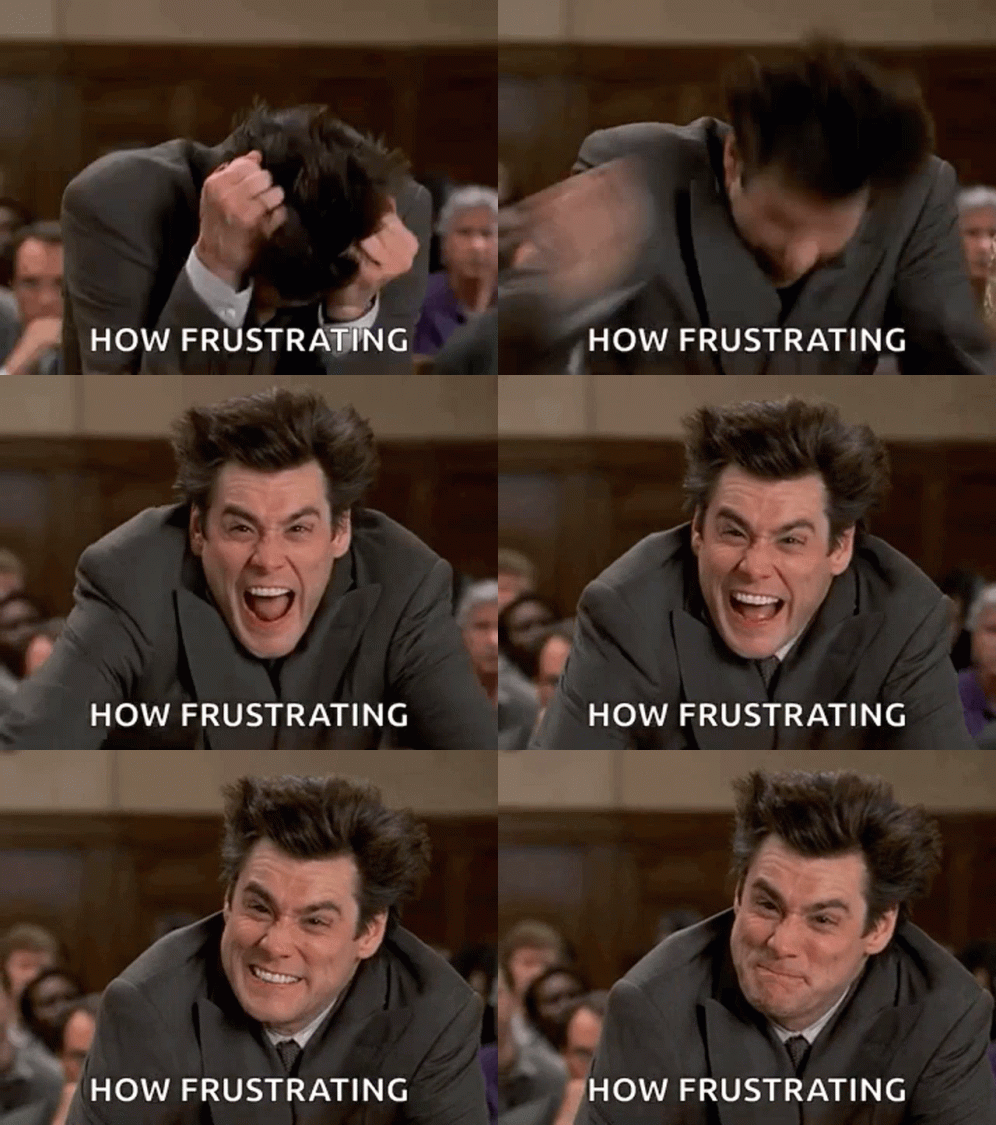
The world runs on peaks and endings. Businesses rise or fall on how often they trigger them.
Once you understand the Peak-End Rule, grocery shelves start to look very different. Brands obsess over flavor, packaging, and influencers—the middle moments. But shoppers remember the friction spike: the label that fails their rulebook, the ingredient they’re avoiding, the product that almost fits but doesn’t.
That’s why FlavCity didn’t launch with a smoothie. They launched with a scanner app.
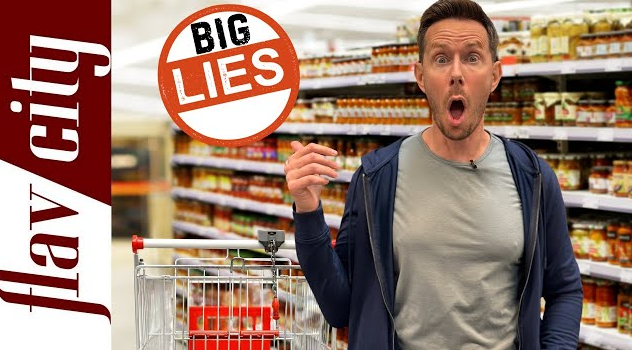
Millions used Bobby Parrish’s "Bobby Approved" to navigate seed oils, gums, sugars, and additives—the hidden constraints that create those peak pain moments in the aisle. Every scan was a data point. Every failed product was a map of unmet demand. Every grocery trip was a live focus group.
When you own the rulebook people shop with, you don’t guess your way into retail—you arrive with pre-verified velocity. A guaranteed cohort. SKUs the data has already chosen.
Influencers have graduated from CPG.
This is first-party demand manufacturing, and it’s about to reshape every aisle in Target.
Read the full playbook here:
FlavCity's scanner app tracked 18M users' dietary constraints before launching CPG products, reversing the traditional brand-building sequence with data-first manufacturing.
From the Vault
Chicago's public health vending pilot revealed a massive tracking gap across thousands of machines dispensing Narcan, period products, and books nationwide.
Physical therapists with 5M YouTube subscribers launched $2,499 massage chairs on Amazon, proving creators can sell high-ticket hardware with zero customer acquisition cost.


