


Capterra was founded in 1999 as a simple directory of business software. Gartner bought it in 2015 for $206 million. Earlier this year, G2 announced it was acquiring Capterra, Software Advice, and GetApp from Gartner — uniting the four largest B2B software review platforms into a single entity reaching over 200 million annual buyers across 2,000+ categories.
That's the endpoint. The starting point was a list of links.
A niche directory with 20 comparison pages and 5–10 featured vendor listings can clear $1K–$5K MRR inside 90 days.
Category sponsors pay $1,000–$3,000/month.
Lead routing runs $20–$150 per qualified buyer.
And the whole thing compounds: as SEO stacks across hundreds of high-intent pages, the same directory model scales into portfolio-level income across multiple niches.
The progression: directory → distribution engine → category dataset → SaaS-like workflows → meta-product. Each stage unlocks new revenue and makes the previous one harder to displace.
Why this works now
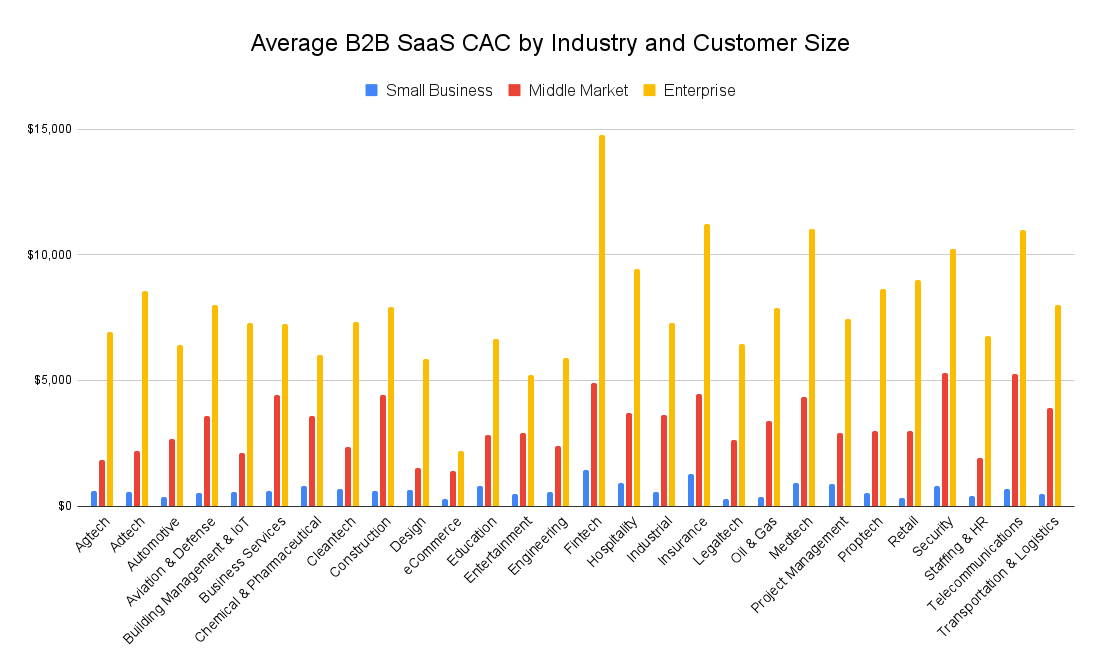
CAC is surging. Customer acquisition costs across B2B SaaS jumped 40–60% between 2023 and 2025. The median SaaS company now spends $2.00 for every $1 of new ARR it acquires. Bottom-quartile companies spend $2.82. When acquisition costs spike like that, vendors pay a premium to show up exactly where buyers are already comparing options.
AI commoditized building but not judgment. The AI agents market alone is projected to grow from roughly $8 billion in 2025 to over $50 billion by 2030. The GLP-1 services ecosystem is on a similar trajectory. In categories that explode this fast, buyers can't keep up. The old "Top 10" listicle falls apart when pricing changes weekly, products ship daily, and half the web is SEO sludge.
The G2–Capterra consolidation opens the bottom of the market. The dominant review platforms are merging into one expensive, pay-to-play ecosystem. Niche directories serving specific verticals or buyer personas now have a window. When a monopoly charges premium rates, smaller operators with better depth carve real market share underneath them.
The four-layer stack
Most people hear "directory" and picture a Craigslist-era list of links.
Layer 1: The Trust Layer
This is the foundation — and the one thing AI can't easily replicate.

Trust comes from editorial judgment. Explicit tradeoffs ("best for solo operators vs. teams of 10"), freshness signals ("pricing updated 3 days ago"), and negative signals ("unclear data handling," "no public roadmap," "support response times over 48 hours"). Directories that only say nice things become vendor marketing. Directories that tell you what to avoid become the buyer's trusted advisor.
One tension worth acknowledging: negative signals build trust with buyers but can alienate the vendors you're trying to sell sponsorships to. The balance is having published criteria. Define what earns an "Editor's Pick" and what disqualifies a listing. When your standards are transparent, vendors respect the system even when the feedback stings.
Layer 2: The Intent Layer
Stop optimizing for pageviews. Optimize for pages that capture high-intent buyers mid-decision:
- "Best [category] for [use case]" — e.g., "Best AI agents for RevOps teams under 50 people"
- "X vs. Y" — head-to-head comparisons are the highest-converting page type on every review platform
- "Top tools for [role] doing [job]" — e.g., "Top compliance tools for fintech CFOs"
- "Stacks" — bundled tool recommendations that solve an end-to-end workflow
A page getting 500 visits per month from people actively choosing between two products is worth more than a homepage getting 50,000 casual visitors.
Layer 3: The Data Layer
Once you become the place people compare tools, you quietly collect a dataset that compounds: what buyers click, which tool stacks emerge, which subcategories grow fastest, which vendors convert best at different price points.
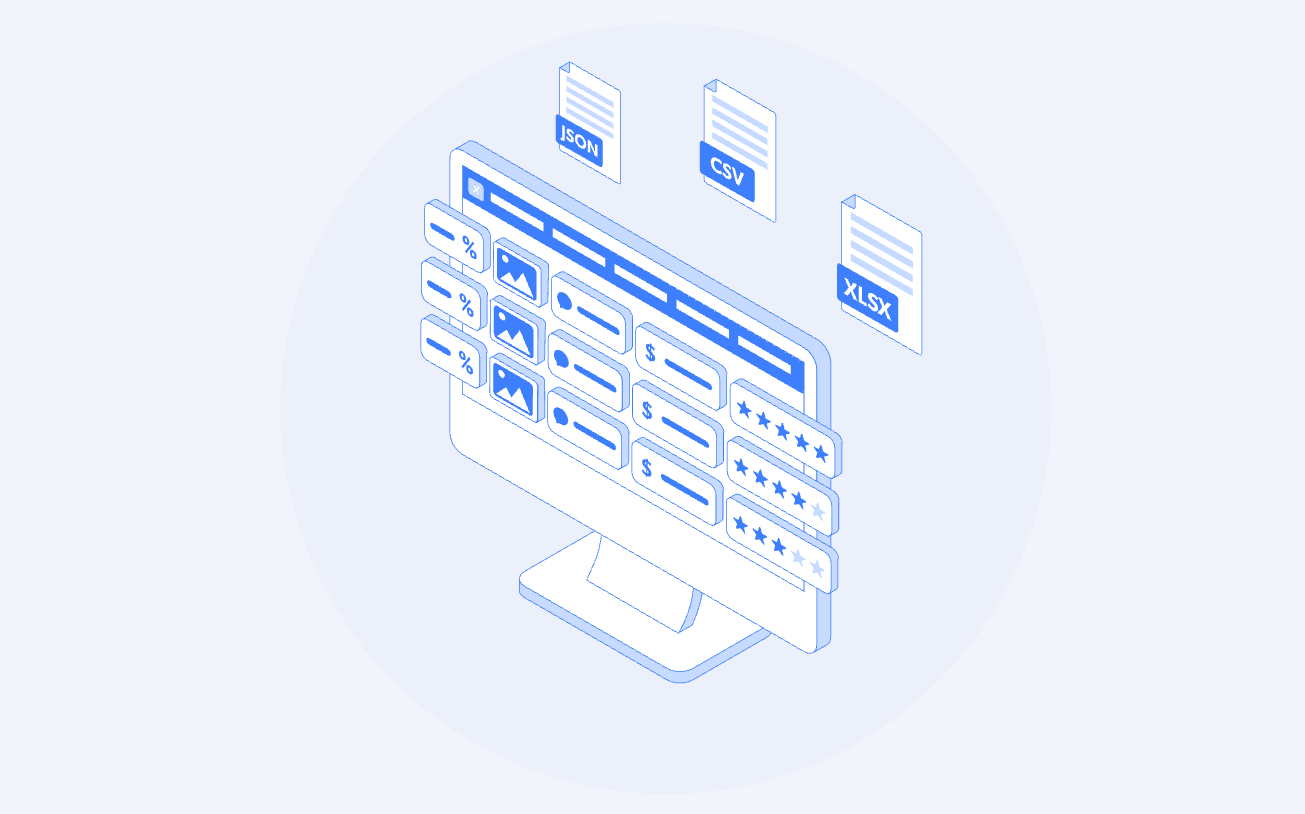
That dataset powers a weekly newsletter ("new, updated, deprecated, price-changed"), quarterly "State of the Category" reports, and eventually an API or paid intelligence feed for buyers, agencies, and investors. This is where a directory transitions from media business to data business — and where your moat actually lives. Competitors can scrape your listings. They can't reconstruct your clickstream data, stack patterns, or buyer-level workflows.
Layer 4: The Workflow Layer
Pick one workflow and monetize it:
- Lead routing — pay-per-qualified-lead from high-intent comparison pages
- RFP intake — "tell us your use case, we'll match the right tools"
- Verification/certification — a badge program vendors can display on their own sites
- Paid submissions — fast-track review plus a content package
Now you're selling distribution plus credibility plus leads.
Picking the right niche
A profitable directory niche has three properties.
You need all three.
Missing any one kills the economics.

Unlock the Vault.
Join founders who spot opportunities ahead of the crowd. Actionable insights. Zero fluff.
“Intelligent, bold, minus the pretense.”
“Like discovering the cheat codes of the startup world.”
“SH is off-Broadway for founders — weird, sharp, and ahead of the curve.”


