


In 1973, two social psychologists at Princeton tested a group of theology students.
John Darley and Daniel Batson recruited seminarians from Princeton Theological Seminary for what they called a study on religious education. Each student was asked to walk to another building to give a short talk. Some were assigned practical topics like career paths in ministry. Others were told to speak about the Parable of the Good Samaritan itself.
On the way, every student passed a man slumped in a narrow passageway, coughing and looking unwell. He was an actor. The real experiment wasn't about preaching—it was about whether they'd stop.
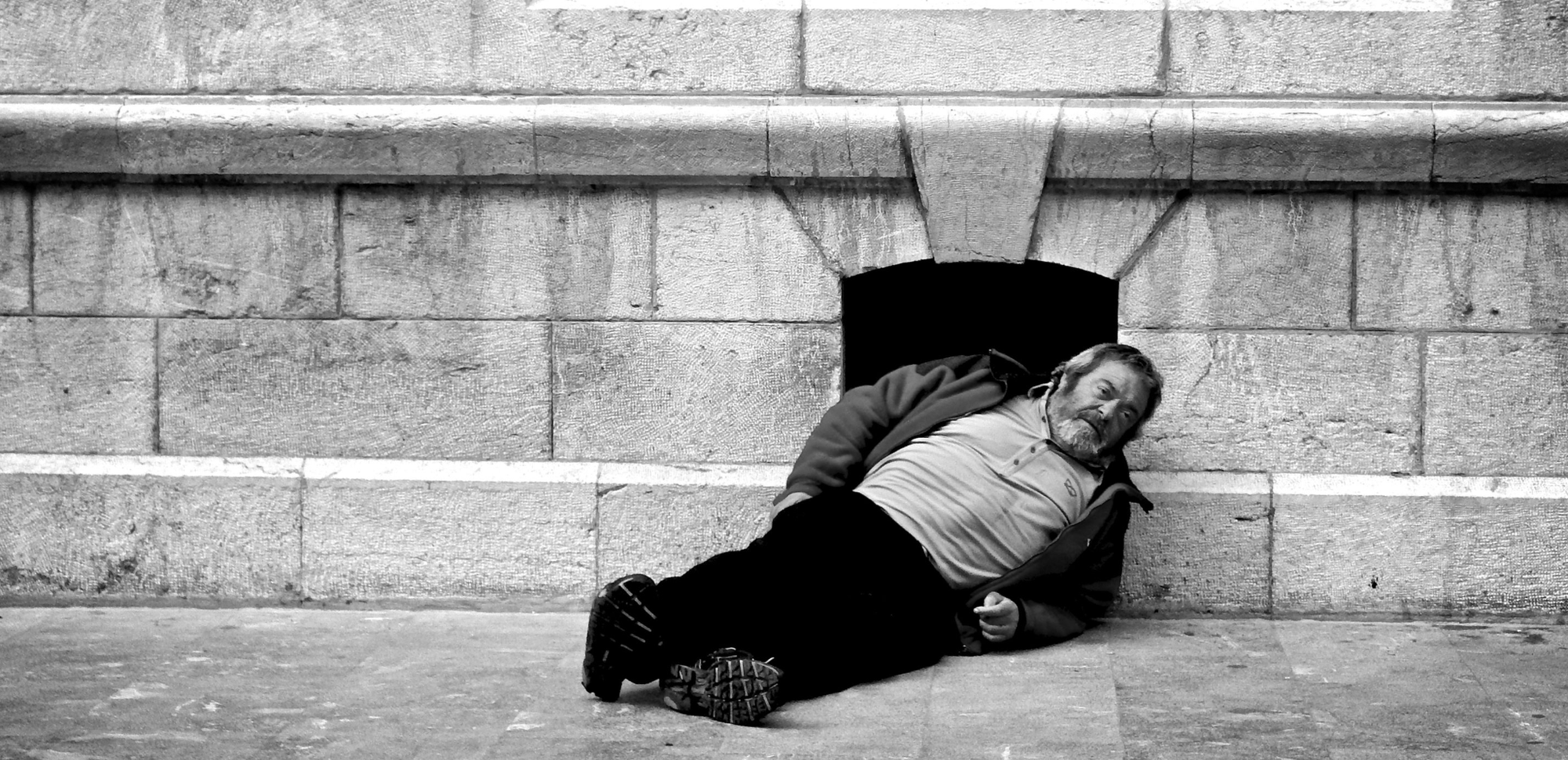
The seminarians preparing to preach about compassion helped no more often than those assigned mundane topics. The variable that mattered was time pressure.
Students who believed they were late helped at the lowest rate—only about one in ten stopped. Those told they had a bit of time were more likely to pause. In the "no rush" condition, nearly two-thirds offered some help. Overall religiosity barely moved the needle. Even whether they were literally on their way to preach about the Good Samaritan made almost no difference.
The finding keeps echoing through psychology because it forces an uncomfortable conclusion.
We lean too hard on stories about character, and not hard enough on the situations we create.
Empathy fails most often not because people are bad, but because they're rushing through overbooked days on too little sleep, already convinced they're behind.
This matters for how we design work.
Around the world, millions of people who want to work and can work are effectively stuck in the doorway—unable to leave their homes or hospital rooms, shut out of traditional frontline jobs because buildings, commutes, and schedules were never built with their bodies in mind.
In Tokyo, Avatar Robot Café DAWN ver.β shows what happens when you redesign the context instead of the person. The café employs people with severe disabilities and chronic illnesses who operate telepresence robots—small tabletop OriHime units and 120-centimeter OriHime-D robots—from their homes and hospital rooms. They greet guests, take orders, carry drinks, and chat with visitors in real time.
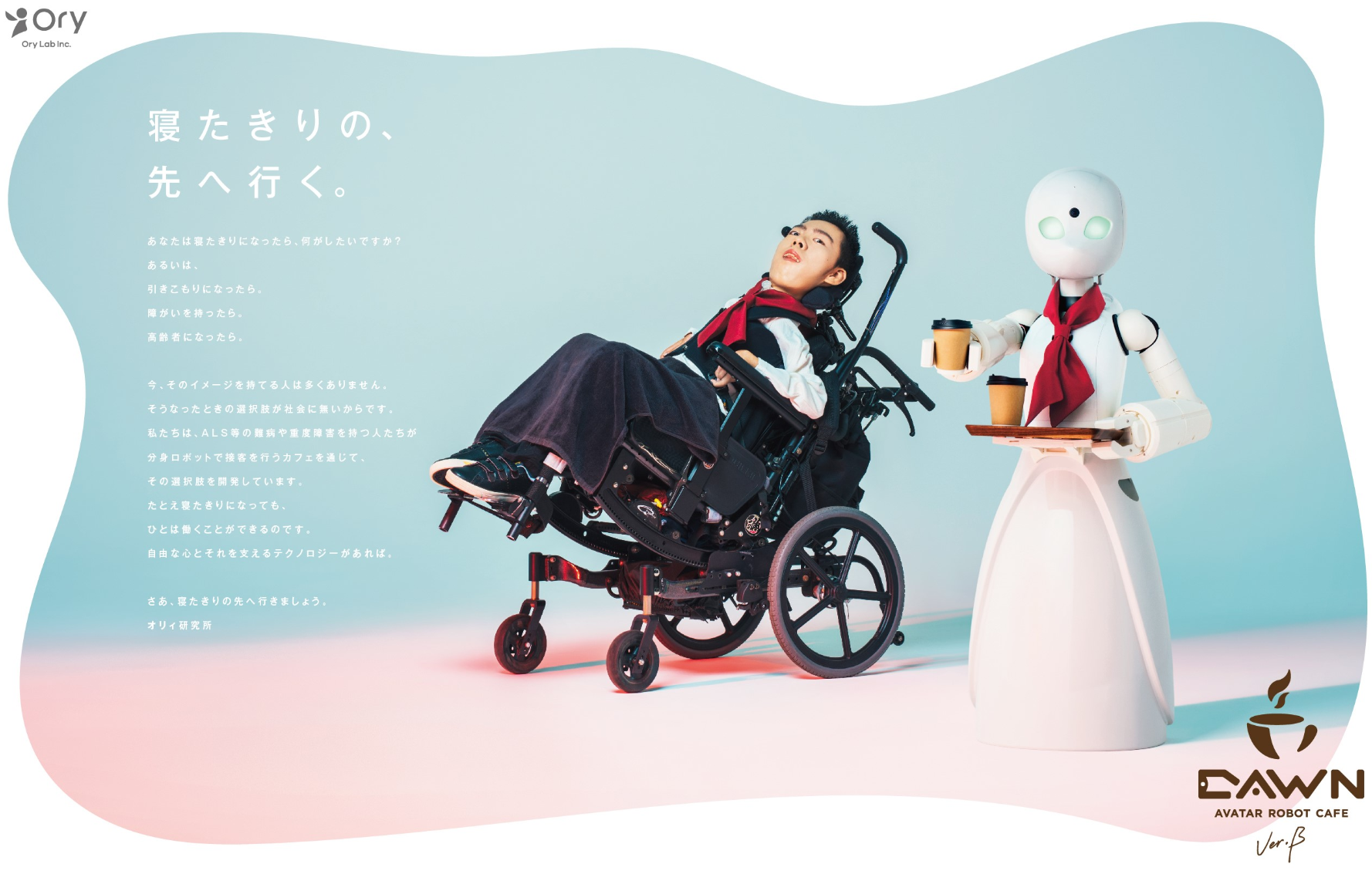
The telepresence robots attract attention, but what matters is treating remote, disabled workers as front-of-house staff rather than as an afterthought.
Today's Featured Opportunity is the staffing, certification, and operations layer that lets hundreds of lobbies, museums, cafés, and public spaces run that play on purpose—not just one remarkable spot in Tokyo.
Read the full playbook here:
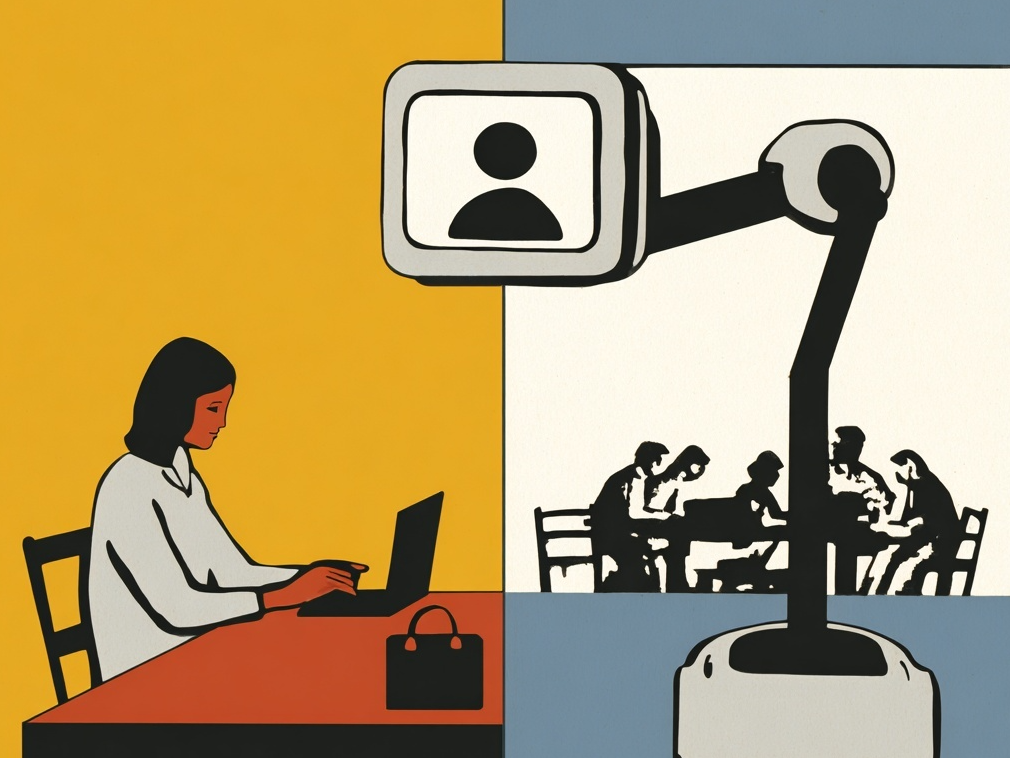
DAWN proved telepresence robots work in hospitality. Someone needs to build the staffing infrastructure layer beneath it at scale.
From the Vault:
Japan's FOSHU-certified longevity products lack Western distribution while affluent 55-75 year-olds pay premium for credible healthspan solutions.
Airbuds and Locket proved homescreen social works—5M users, $10M raised, 91M installs. Nobody's built the ambient layer for work and money yet.


