


In May 2025, Luke Nichols — a creator with 18 million subscribers pulling $70k/month in ad revenue — walked away from his YouTube channel Outdoor Boys. Not because the money dried up. Because fan attention had become "overwhelming" and his kids couldn't go to the park without strangers asking for photos.
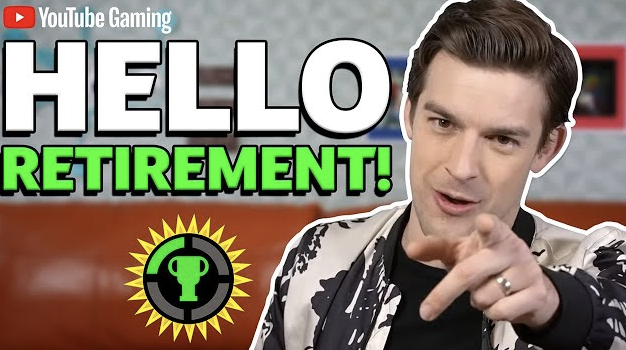
MatPat stepped back from Game Theory after 13 years. Tom Scott called it quits at the height of his reach. CaptainSparklez, Pokimane, dozens more — all citing some version of the same thing: "We made it, and now we want our lives back."
The structural pattern: creators are burning out at scale, sitting on libraries worth millions, and YouTube just made those libraries 10x more valuable by shipping the infrastructure that turns English-only catalogs into global cashflow machines.
Spotter already proved the market exists — they raised $200 million from SoftBank and hit a $1.7 billion valuation buying YouTuber back catalogs. But they're running a checkbook play, underwriting on historical decay curves and betting on stability. The real opportunity is operational: build the company that turns retired creators' libraries into global, multi-format cashflow portfolios — structured like a pension, run like a mini-PE fund, powered by a localization factory that actually grows the asset.
The market just validated this at $1.7 billion
In 2022, Spotter raised $200 million from SoftBank Vision Fund 2 to deploy over $1 billion into YouTuber back catalogs. The pitch was simple: pay creators upfront cash for the rights to their catalog's ad revenue over 3-5 years. Deals range from $15k to $40 million depending on channel size, with an average around $1.5 million.
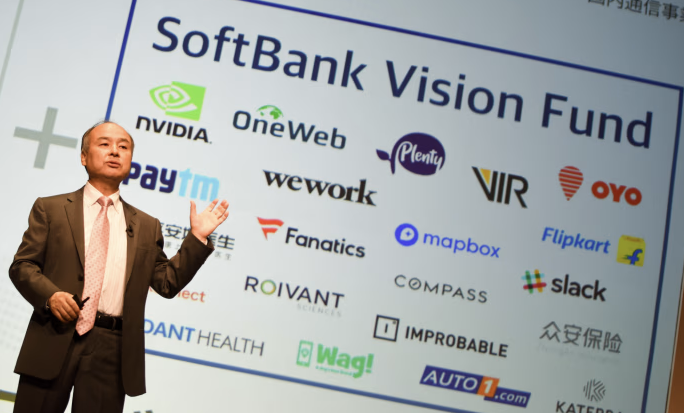
Spotter's done roughly 200 deals — MrBeast, Dude Perfect, Like Nastya. Their content generates 88 billion minutes of watch time monthly. The company hit a $1.7 billion valuation.
Jellysmack earmarked $500 million for the same play in early 2022, offering creators lump sums for 3-5 years of YouTube catalog ad revenue through their JellyFi division.
The capital market just told you: creator catalogs are an asset class.
But here's the execution lesson: Jellysmack sold JellyFi to Copyright Capital in May 2024 after struggling to win deals. Former employees said creators were "reluctant to rock the boat" on their YouTube revenue and that Spotter's offers were consistently better. Even with half a billion in committed capital, they couldn't crack the trust equation.
The first wave proved the concept but exposed the gaps. They did financial engineering — pay cash, license revenue rights, bet on decay curves holding steady. What's still underbuilt is the operational layer that actually grows the asset you're licensing. YouTube shipped the tools in 2025. The question is who builds the factory.
Why now is different: YouTube just shipped the factory
When Spotter and Jellysmack were raising, localization was expensive agency work. You needed human voiceover artists, separate channels per language, manual workflows.
YouTube changed the economics in 2025.
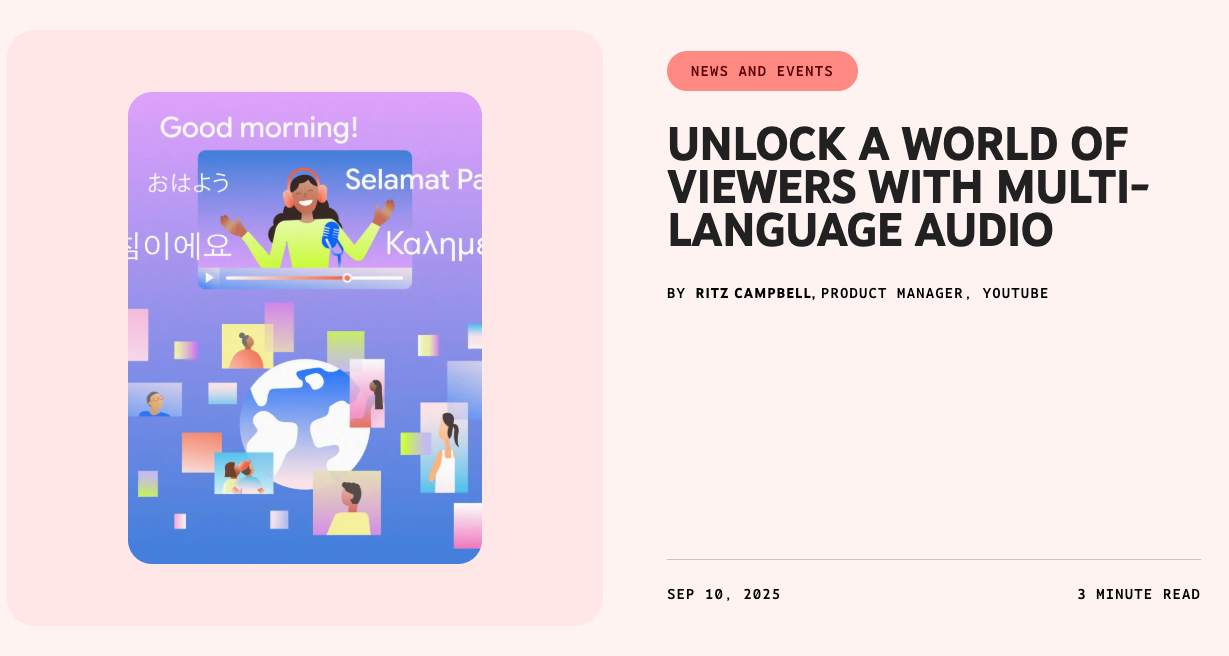
Multi-language audio tracks — the feature that lets creators add dubbed audio to existing videos — rolled out to millions of creators in September 2025 after a two-year pilot. Creators in the pilot saw over 25% of their watch time come from non-primary language viewers. Chef Jamie Oliver's channel saw views amplify 3x with multi-language audio versus English-only.
But the part most people are missing: AIR Media-Tech, a creator services firm testing these features at scale, found that cross-using professionally dubbed audio across multiple channels resulted in up to a 45% increase in views. One Portuguese audio track added to Spanish, German, and Polish channels delivered nearly 5 million extra views for Vania Mania Kids.
That's not incremental improvement — it's structural margin expansion.
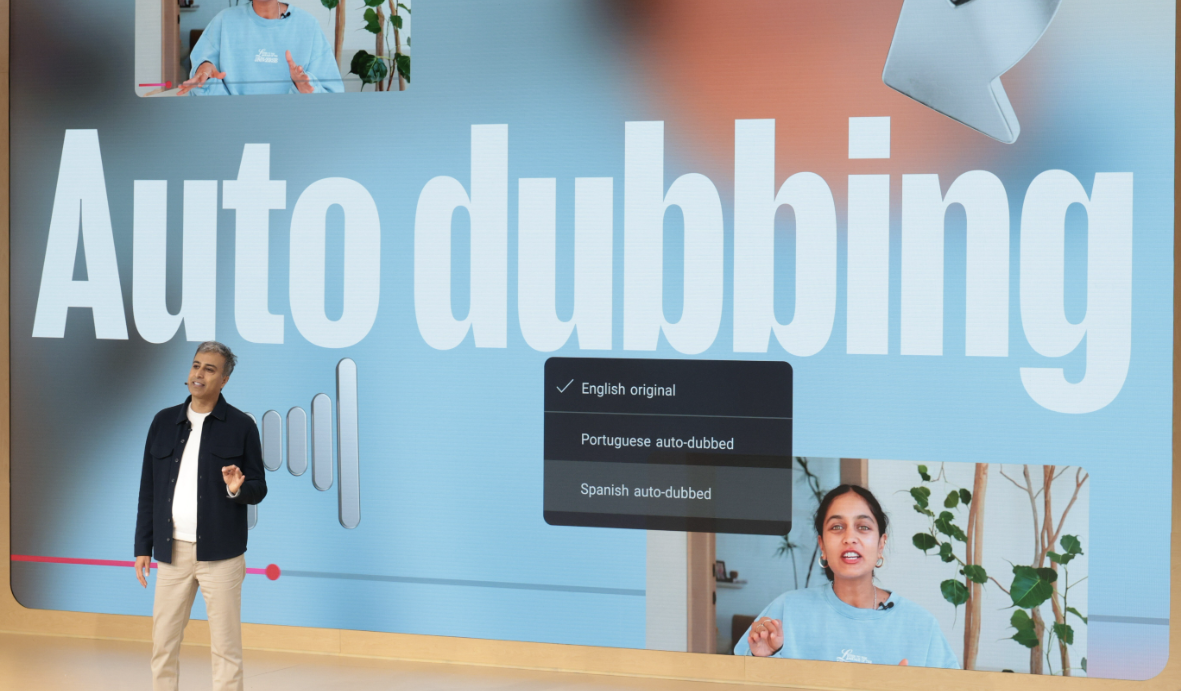
YouTube also expanded AI auto-dubbing to hundreds of thousands of Partner Program channels by June 2025, supporting 11+ languages. The quality's not perfect, but it's good enough for educational and tutorial content, and it drops the barrier to entry from "hire a dubbing studio" to "click a button."
Add localized thumbnails (currently in testing) and you've got the full stack: audio, packaging, and algorithmic distribution — all native to YouTube, all scalable.
The infrastructure exists. What doesn't exist is the operating company that treats this like an asset management business instead of a capital deployment exercise.
The insight everyone's missing: this isn't about dubbing
If you pitch creators "we'll dub your videos into 15 languages," you're a vendor. Commoditized, easy to copy. YouTube is making dubbing a native feature. AIR Media-Tech and others are already offering localization services.
If you pitch "we'll buy your back catalog," you're a checkbook. Harder, but Spotter has a $1.7B head start and proven underwriting.
You have to really understand creators and productize a system for the late stage in their journey, then (optionally) turn it in to deal plays. Follow this first step:

Unlock the Vault.
Join founders who spot opportunities ahead of the crowd. Actionable insights. Zero fluff.
“Intelligent, bold, minus the pretense.”
“Like discovering the cheat codes of the startup world.”
“SH is off-Broadway for founders — weird, sharp, and ahead of the curve.”


