


Late January brought the usual metals drama. Gold hit records. Copper surged 40% for the year. Silver whipsawed. The financial press called it "volatility" and moved on.

Downstream, where actual things get built, that volatility translates to margin. When a medical device manufacturer needs a specific microcontroller and authorized distributors show 42-week lead times, they'll pay 35% over catalog for 2-week delivery. When an engineer at a production facility needs 200 units of a legacy PLC module to keep a line running and Digi-Key shows zero, Mouser shows zero, Newark shows zero — finding those 200 units commands 30-40% premiums. Emergency fulfillment during genuine allocation windows hits 50%+.
This isn't arbitrage on price. It's arbitrage on certainty. The product you're selling is "preventing a six-figure production halt".
$500-$2,000 retainer to open search (credited if successful)
+ 12-20% success fee on landed value
+ 5-10% rush premium for sub-14-day deadlines.
Retainer filters tire-kickers.
The category already exists. Independent distributors like Classic Components, Sourceability, and A2 Global Electronics built businesses finding hard-to-find parts when franchised channels fail. The opportunity isn't discovering this space. It's executing a tighter, compliance-first variant focused on verification as the core product rather than a bolt-on service. Most independents compete on breadth and speed. You compete on documented certainty for buyers who can't afford counterfeit risk or regulatory exposure.
Why Structural Scarcity Creates Sustained Demand
Component shortages didn't end after 2021-2023. They evolved into permanent allocation tiers driven by three forces:
Export controls became infrastructure, not headlines. China controls 70% of global refining capacity for critical minerals. In October 2025, Beijing expanded export licensing to rare earth elements including holmium, erbium, thulium, europium, and ytterbium — covering not just Chinese-mined materials but any product globally using Chinese rare earth processing technology. Defense contractors, semiconductor fabs, and EV producers suddenly needed Chinese licenses for components they'd sourced domestically for years.
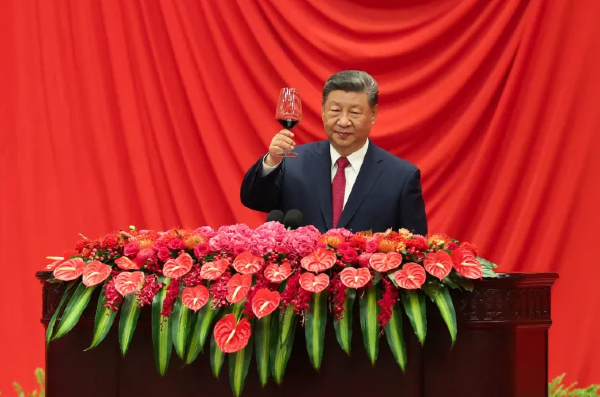
The rules got suspended in November 2025 after Xi-Trump talks. The suspension expires November 2026. The licensing framework stays on the books. Even approved licenses add 4-6 weeks to procurement cycles that used to run 2-3 weeks.
Critical minerals hit structural deficit. BloombergNEF projects copper entering structural deficit in 2026, with potential 19 million metric ton shortfall by 2050 if new mines don't materialize. The IEA documented that over half of energy-related minerals now face export controls. Indonesia suspended nickel exports periodically. The DRC announced cobalt export suspensions. Resource-rich countries discovered export licensing works as a value-extraction tool.
For hardware companies, this embeds geopolitical exposure into every bill of materials. An industrial motor might depend on samarium-cobalt magnets (China: 90%+ of rare earth magnet production), specialized copper alloys (structural deficit incoming), or aluminum extrusions (China hitting self-imposed production caps).
Component allocation became permanent, not cyclical. The electronics industry spent 2021-2023 in shortage, then 2024 digesting panic-stockpiled inventory. By mid-2025, the split was clear: commodity components show adequate supply, but specialized parts face 6-8 month lead times. AI infrastructure devours high-bandwidth memory. Automotive electrification consumes power management ICs faster than fabs produce them.
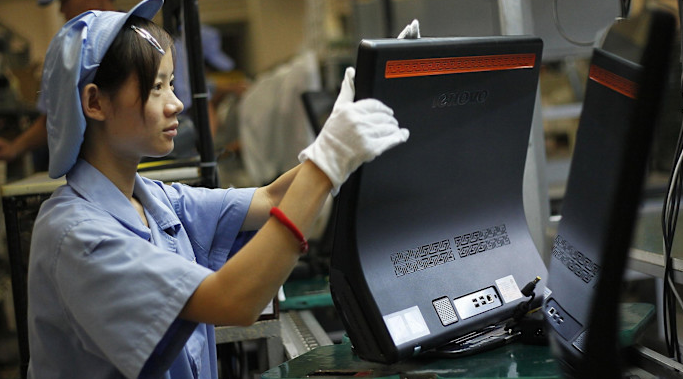
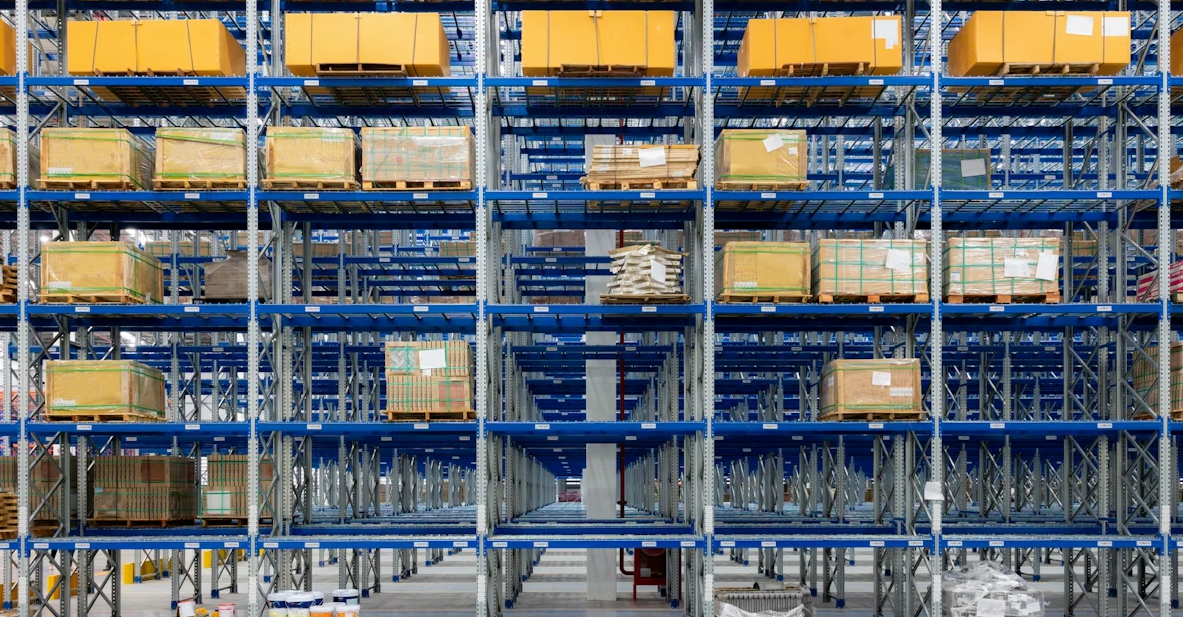
During peak shortage, manufacturers double-ordered hoping someone would deliver. When supply normalized, excess inventory wasn't evenly distributed. One manufacturer has 10,000 connector units gathering dust. Another desperately needs 500 of the same part and finds nothing.
Independent distributors already serve this gap. The opportunity is building the high-trust, compliance-heavy variant that treats verification and regulatory screening as the primary product.
Why Verification Creates Pricing Power
The independent distribution market has a counterfeit problem. Gray market parts flood supply chains. Brokers resell broker inventory without verification. Chain of custody disappears. This is the existential risk — one counterfeit batch in a medical device or aerospace application destroys your business permanently.
Established independents defend premiums by running every transaction through risk profiling and lab testing.
You differentiate by making verification the marketed outcome rather than a checkbox:
Unlock the Vault.
Join founders who spot opportunities ahead of the crowd. Actionable insights. Zero fluff.
“Intelligent, bold, minus the pretense.”
“Like discovering the cheat codes of the startup world.”
“SH is off-Broadway for founders — weird, sharp, and ahead of the curve.”


