


In March 1946, a British journalist named Alistair Cooke recorded a 15-minute radio monologue about American life for BBC listeners. It was commissioned for 13 episodes.
He did 2,869.
For 58 years — through twelve presidents, the Cold War, the moon landing, Watergate, and 9/11 — Cooke sat down weekly and did the same thing: took one news event, threaded it through personal anecdote and historical context, and landed on something that made you pause.
None of the format gimmicks we see today. One writer's voice, talking like he was sitting across from you.
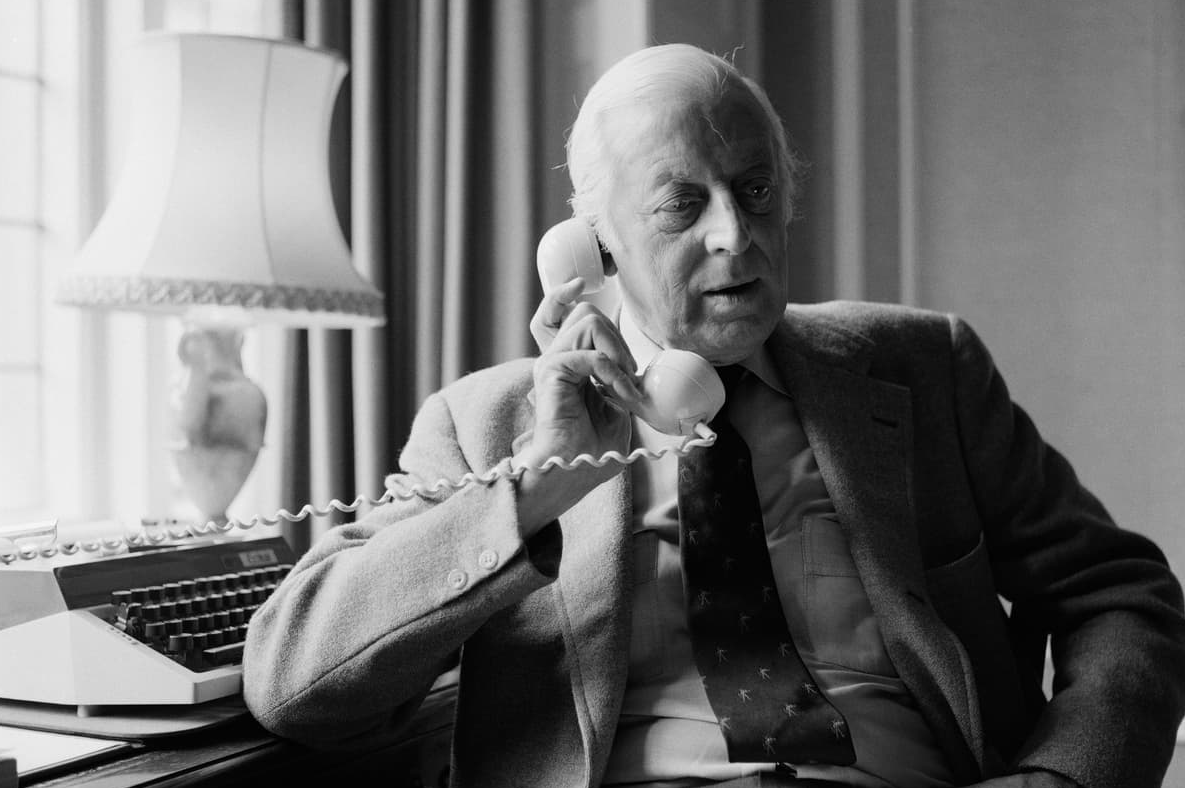
The BBC called it Letter from America. The format was so simple it barely qualified as a "show." But that simplicity was the product. Cooke understood something most media people still get wrong: a trusted voice doesn't need spectacle. It needs rhythm.
When he retired at 95, media scholars gave him a title he never sought: the man who invented the podcast — forty years before podcasts existed.
Cooke proved that the format layer between "writer" and "screen" is the entire game. He didn't become a TV host. He stayed a writer who happened to be on your radio.
Now that game just moved to the biggest screen in the house.
In January 2026, Substack launched TV apps for Apple TV and Google TV — putting creator video on the couch. The catch: newsletter writers don't have production teams. They have Google Docs and publish dates. Substack can chase watch time, but someone needs to build the Alistair Cooke format for the living room — a system that turns written analysis into lean-back TV episodes without forcing writers to become YouTubers.
We broke down the full opportunity: a three-tier model starting at $39/month creator subscriptions, scaling to $25K/month white-label deals, with first revenue at day 60 and a clear path into the $9 billion FAST streaming market by 2029.
Read the full playbook here:

Substack launched TV apps without solving production. Build the format-to-FAST infrastructure that turns newsletter writers into programmed channels.
From the Vault:

Organized abuse networks operate on mainstream platforms. Parents pay monitoring prices for crisis-level threats. The arbitrage between surveillance software and protective services is structural.

The gap between ineffective screen time dashboards and $800 minimalist phones creates a billion-dollar opportunity for behavior-aware phone coaching


